
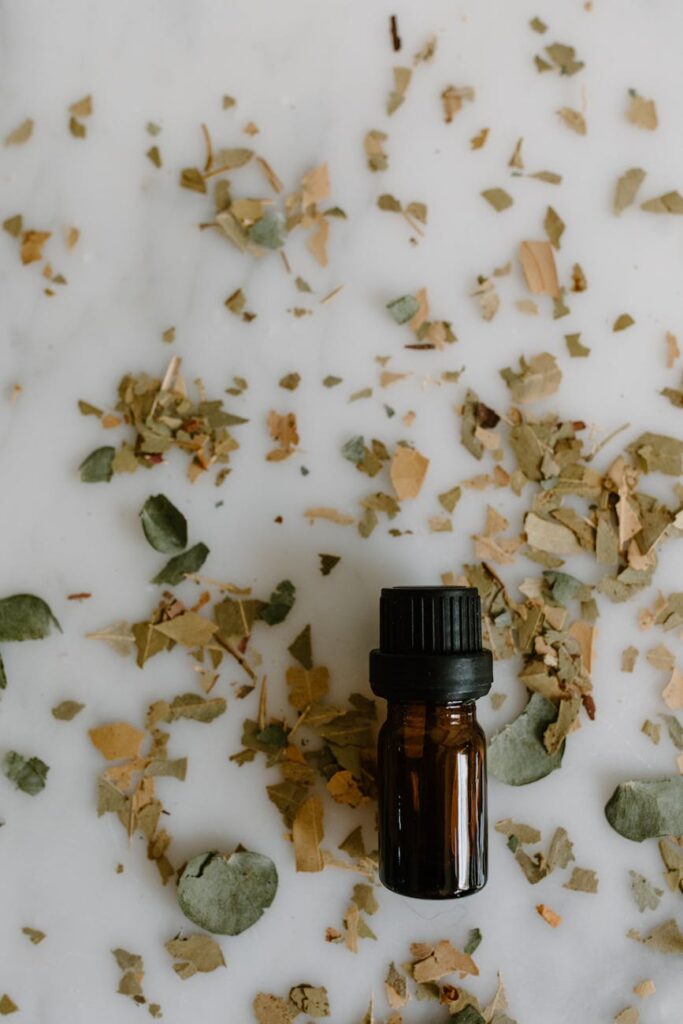
How Eucalyptus Oil Is Used in Aromatherapy
Introduction
Eucalyptus oil, derived from the leaves of the eucalyptus tree (genus Eucalyptus), has gained popularity in aromatherapy for its invigorating scent and beneficial properties. With a rich history rooted in traditional medicine and a wide range of applications, eucalyptus oil is a versatile essential oil that can enhance well-being and create a serene environment. This article explores the nature of eucalyptus oil, its benefits, common uses, and safety considerations, providing a comprehensive overview for those interested in incorporating it into their aromatherapy practices.
What Is Eucalyptus Oil?
Eucalyptus oil is extracted through steam distillation from the leaves of eucalyptus trees, which are native to Australia but now found in various parts of the world. The oil is known for its strong, fresh, and slightly medicinal aroma, characterized by its high concentration of 1,8-cineole (also known as eucalyptol), a compound responsible for many of its therapeutic properties.
There are over 700 species of eucalyptus, but the most commonly used for essential oil production are Eucalyptus globulus (blue gum) and Eucalyptus radiata (narrow-leaved peppermint). Each species offers a slightly different aromatic profile and potential benefits, making eucalyptus oil a diverse and valuable addition to aromatherapy.
Key Benefits and Properties
Eucalyptus oil is celebrated for its numerous properties, which include:
1. Antimicrobial: Eucalyptus oil exhibits antimicrobial activity, making it effective against various bacteria, fungi, and viruses.
2. Anti-inflammatory: The oil has anti-inflammatory properties that can help soothe irritated skin and muscles.
3. Respiratory Support: Traditionally, eucalyptus oil has been used to promote respiratory health, helping to clear airways and ease breathing.
4. Mental Clarity: The invigorating scent of eucalyptus oil is believed to enhance mental clarity and concentration, making it a popular choice for use in study and work environments.
5. Stress Relief: Its uplifting aroma can help alleviate feelings of stress and anxiety, contributing to a sense of calm and relaxation.
Common Uses
Eucalyptus oil can be employed in various ways, making it a popular choice for both personal use and in professional settings. Some common uses include:
- Diffusion: Eucalyptus oil is often diffused in homes and workplaces to purify the air and create a refreshing atmosphere.
- Topical Application: When diluted with a carrier oil, eucalyptus oil can be applied to the skin to relieve muscle tension or soothe minor skin irritations.
- Baths: Adding a few drops of eucalyptus oil to a warm bath can enhance relaxation and promote respiratory comfort.
- Inhalation: Inhaling eucalyptus oil directly from the bottle or through steam inhalation can provide immediate relief for nasal congestion and respiratory discomfort.
- Household Cleaning: Its antimicrobial properties make eucalyptus oil a popular ingredient in natural cleaning products, contributing to a fresh scent while disinfecting surfaces.
- Dilution: Eucalyptus oil should always be diluted with a carrier oil before topical application to avoid skin irritation. A standard dilution ratio is 1-2% (about 1-2 drops per teaspoon of carrier oil).
- Avoid Ingestion: Eucalyptus oil should not be ingested unless under the guidance of a qualified healthcare professional, as it can be toxic in large quantities.
- Pregnancy and Nursing: Pregnant or nursing individuals should consult a healthcare provider before using eucalyptus oil, as its effects during these periods are not well studied.
- Children: Eucalyptus oil is not recommended for children under 2 years of age and should be used with caution in older children. Always consult a healthcare professional before use.
- Allergies and Sensitivities: Conduct a patch test before using eucalyptus oil topically to check for any allergic reactions. If irritation occurs, discontinue use.
Aromatherapy Applications
Eucalyptus oil can be incorporated into various aromatherapy practices, amplifying its benefits. Here are several ways to utilize eucalyptus oil in aromatherapy:
1. Diffusion
Using an essential oil diffuser is one of the simplest ways to enjoy the benefits of eucalyptus oil. This method disperses the oil into the air, allowing its aromatic compounds to be inhaled easily. For a refreshing and uplifting blend, consider combining eucalyptus oil with other essential oils such as peppermint, lemon, or lavender.
2. Massage
When diluted with a carrier oil (such as sweet almond oil or jojoba oil), eucalyptus oil can be used in massage therapy. This application not only promotes relaxation but also helps to relieve muscle tension and soreness. A common ratio is to mix 2-3 drops of eucalyptus oil with a tablespoon of carrier oil.
3. Steam Inhalation
Steam inhalation is a popular method for respiratory support. To perform this, add a few drops of eucalyptus oil to a bowl of hot water, cover your head with a towel, and inhale the steam. This method may help clear nasal passages and promote easier breathing.
4. Bathing
Incorporating eucalyptus oil into a bath can offer both relaxation and respiratory benefits. Add 5-10 drops of eucalyptus oil to a warm bath, optionally combined with Epsom salts, to enhance the experience.
5. Aromatherapy Sprays
Creating a DIY room spray with eucalyptus oil can refresh the air in your home. Combine 10-15 drops of eucalyptus oil with distilled water in a spray bottle, shake well, and use it to spritz your living spaces.
Safety Considerations
While eucalyptus oil is generally considered safe for use in aromatherapy, it is essential to follow safety guidelines:
Storage and Shelf Life
To ensure the longevity of eucalyptus oil, proper storage is vital. Essential oils should be kept in a cool, dark place, away from direct sunlight and heat sources. A dark glass bottle is ideal for preserving the oil’s quality.
The shelf life of eucalyptus oil typically ranges from 3 to 5 years, depending on storage conditions. Over time, the oil may lose its potency and aroma, which is why it is essential to check for changes in scent, color, or consistency before use.
Frequently Asked Questions
1. Can eucalyptus oil be used in a sauna?
Yes, eucalyptus oil can be added to the water used in a sauna to create a refreshing and invigorating atmosphere. However, use only a few drops, as the scent can be quite strong.
2. Is eucalyptus oil safe for pets?
Eucalyptus oil is considered toxic to some pets, particularly cats and dogs. If you have pets, consult with a veterinarian before using eucalyptus oil in your home.
3. How do I choose the right eucalyptus oil?
When selecting eucalyptus oil, look for 100% pure, therapeutic-grade essential oil. Check for proper labeling, and consider sourcing from reputable brands that provide information about the oil’s origin and extraction methods.
4. Can eucalyptus oil be used for skin conditions?
While eucalyptus oil has antimicrobial properties, it should be used cautiously on the skin, especially in individuals with sensitive skin or existing skin conditions. Always dilute it with a carrier oil and perform a patch test first.
5. What are the differences between eucalyptus species?
Different eucalyptus species produce oils with varying aromatic profiles and effects. For instance, Eucalyptus globulus is known for its strong camphoraceous scent, while Eucalyptus radiata has a sweeter, milder aroma. Choose the species that aligns with your specific needs and preferences.
Conclusion
Eucalyptus oil is a powerful and versatile essential oil with a rich history in aromatherapy. From its invigorating scent to its numerous benefits, eucalyptus oil can enhance well-being and create a harmonious atmosphere. By incorporating it thoughtfully into various applications and adhering to safety guidelines, individuals can explore the many ways eucalyptus oil can enrich their lives and elevate their aromatherapy experiences.