
How Floral Hydrosols Are Used in Aromatherapy
Introduction
Aromatherapy has gained popularity as a holistic approach to enhancing well-being through the use of essential oils and their derivatives. Among these derivatives, floral hydrosols are increasingly recognized for their unique properties and diverse applications. This article explores what floral hydrosols are, their benefits, common uses, and how they are applied within the realm of aromatherapy.
What Is Floral Hydrosols?
Floral hydrosols, also known as flower waters or distillates, are the aromatic water by-products obtained during the steam distillation of essential oils from plants. When plant materials are subjected to steam, aromatic compounds are released, which then condense into a liquid form. The result is twofold: essential oil floats to the surface, while the hydrosol remains submerged.
Hydrosols contain the water-soluble components of the plant, retaining many of the beneficial qualities of the source plant while being milder than their essential oil counterparts. This makes them suitable for a wider range of applications, particularly in aromatherapy and skincare.
Key Benefits and Properties
Floral hydrosols are celebrated for their multitude of benefits, which can vary depending on the source plant. Some of the general properties include:
1. Mildness: Unlike essential oils, which can be potent and sometimes irritating, hydrosols are gentle and suitable for sensitive skin.
2. Aromatherapeutic Qualities: Hydrosols carry the aromatic essence of the plant, offering therapeutic benefits that can promote relaxation, uplift mood, or soothe anxiety.
3. Hydration: They can serve as natural moisturizers when applied to the skin, providing hydration and nourishment.
4. Antimicrobial Properties: Some hydrosols possess natural antimicrobial properties, making them useful in skincare and cleansing applications.
5. pH Balance: Many hydrosols can help balance the skin’s pH, making them ideal for facial toners.
Specific Examples
- Rose Hydrosol: Known for its calming and soothing properties, rose hydrosol is often used in skincare for its hydrating effects.
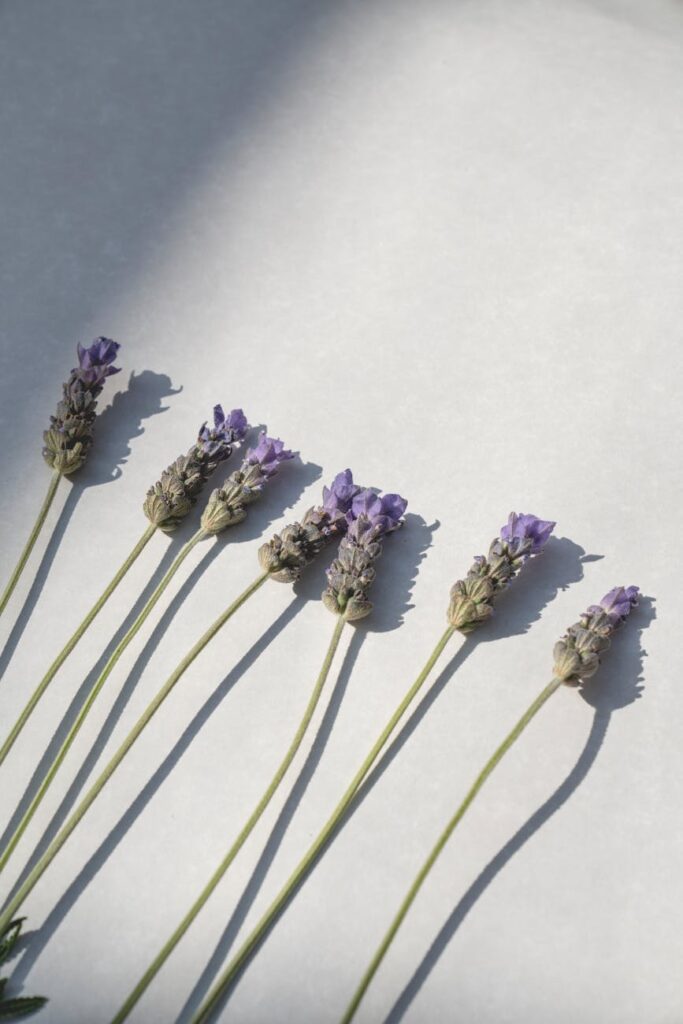
- Lavender Hydrosol: Renowned for its relaxing and calming aroma, lavender hydrosol can be beneficial for reducing stress.
- Chamomile Hydrosol: This hydrosol is celebrated for its anti-inflammatory and soothing properties, particularly for sensitive or irritated skin.
Common Uses
Floral hydrosols can be used in a variety of ways, making them versatile additions to any wellness routine. Here are some common applications:
1. Facial Toners: Hydrosols can refresh and hydrate the skin, acting as gentle toners that prepare the skin for further treatment.
2. Body Sprays: They can be used as light body mists, providing a subtle fragrance while imparting skin benefits.
3. Hair Care: Certain hydrosols can promote scalp health and add shine to hair when used as a rinse or spray.
4. Bath Additives: Adding a splash of hydrosol to bath water can create a soothing and aromatic experience.
5. Room Sprays: Floral hydrosols can be used to freshen indoor spaces, providing a natural alternative to synthetic air fresheners.
Aromatherapy Applications
The applications of floral hydrosols in aromatherapy are extensive, owing to their gentle nature and therapeutic qualities. Some specific ways they can be integrated into practice include:
1. Inhalation: Hydrosols can be inhaled directly from the bottle or placed in a diffuser. This promotes relaxation and enhances mood without the intensity of essential oils.
2. Massage: When diluted with a carrier oil, hydrosols can be used in massage therapy, providing both hydration to the skin and aromatic benefits.
3. Meditation: Incorporating hydrosols into meditation practices can enhance the sensory experience, helping to create a calming environment.
4. Skin Treatments: They can be applied topically to soothe skin irritations or as part of a skincare routine to promote overall skin health.
5. Crafting Custom Blends: Aromatherapists often mix different hydrosols to create tailored blends that address specific needs or preferences.
Safety Considerations
While floral hydrosols are generally considered safe, some precautions should be taken:
1. Allergies: Always conduct a patch test before applying a new hydrosol to the skin to ensure no allergic reactions occur.
2. Dilution: Though hydrosols are milder than essential oils, they should still be used in moderation, especially when combined with other products.
3. Storage: Store hydrosols in a cool, dark place to prolong their shelf life and preserve their aromatic properties.
4. Pregnancy and Nursing: Consult with a qualified professional before using any hydrosols during pregnancy or while nursing.
Storage and Shelf Life
Proper storage is crucial for maintaining the quality of floral hydrosols. Here are some guidelines:
1. Containers: Store hydrosols in dark glass bottles to protect them from light, which can degrade their quality.
2. Temperature: Keep them in a cool, dry place, away from direct sunlight or heat sources.
3. Shelf Life: The typical shelf life of a hydrosol is around 1 to 3 years, depending on the plant source and storage conditions. However, always check for changes in color, smell, or consistency as indicators of spoilage.
Frequently Asked Questions
What is the difference between essential oils and hydrosols?
Essential oils are concentrated extracts from plants, while hydrosols are the aromatic waters produced during the distillation process. Hydrosols are milder and suitable for direct application.
Can hydrosols be ingested?
While some hydrosols are considered safe for culinary use, it is important to consult with a qualified professional before ingesting any plant-based products.
Are hydrosols safe for children?
Many hydrosols are safe for children, but caution should be exercised, and it’s advisable to consult a healthcare provider or aromatherapy expert before use.
How can I incorporate hydrosols into my skincare routine?
Hydrosols can be used as facial toners, added to creams or lotions, or sprayed directly onto the skin for hydration and soothing effects.
Do floral hydrosols have any contraindications?
While generally safe, certain hydrosols may not be suitable for individuals with specific allergies or sensitivities. Always check labels and consult with professionals if unsure.
Conclusion
Floral hydrosols represent a valuable resource in aromatherapy, offering a gentle and effective means of harnessing the benefits of plants. Their versatility, mildness, and aromatic qualities make them suitable for various applications, from skincare to enhancing mood. Understanding their properties and uses can enrich your aromatherapy practice and contribute to overall well-being. As with any holistic approach, awareness and care in usage will ensure a positive experience.