
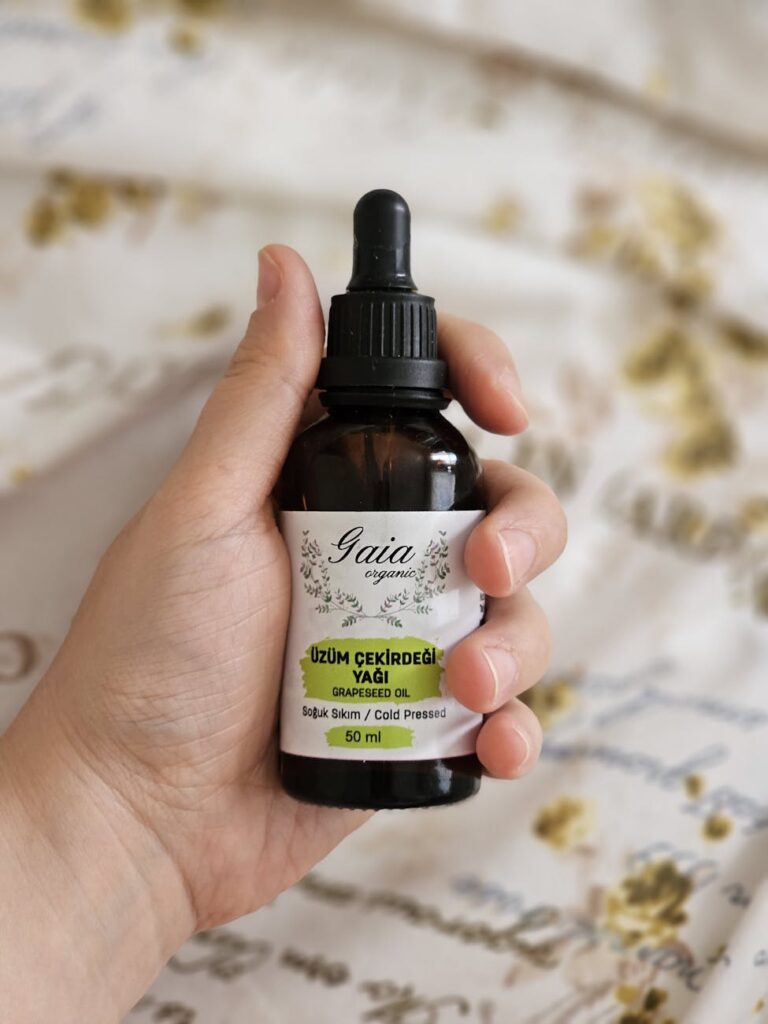
How Grapeseed Oil Is Used in Aromatherapy
Introduction
Grapeseed oil, a carrier oil derived from the seeds of grapes, has gained popularity in the realm of aromatherapy. Recognized for its light texture and myriad of beneficial properties, this oil serves as an excellent medium for diluting essential oils, making it a favored choice among practitioners and enthusiasts. In this article, we will explore the characteristics of grapeseed oil, its benefits, common uses in aromatherapy, and important safety considerations.
What Is Grapeseed Oil?
Grapeseed oil is extracted from the seeds of Vitis vinifera, the common grape vine. This light, pale yellow oil is rich in polyunsaturated fatty acids, particularly linoleic acid, and contains a variety of antioxidants, including vitamin E. Its mild flavor and light aroma make it suitable for culinary applications as well, but in the context of aromatherapy, it is primarily valued for its emollient properties and ability to blend well with essential oils.
Key Benefits and Properties
1. Emollient Qualities
Grapeseed oil is known for its ability to penetrate the skin easily, providing hydration without leaving a greasy residue. This makes it an ideal carrier oil for those seeking moisture without heaviness.
2. Rich in Antioxidants
The presence of vitamin E and other antioxidants in grapeseed oil helps protect the skin from oxidative stress. This property can be beneficial in promoting overall skin health.
3. Anti-inflammatory Properties
Grapeseed oil contains compounds that may help reduce inflammation, making it a soothing choice for various skin applications.
4. Non-comedogenic
With a comedogenic rating of 1, grapeseed oil is less likely to clog pores, making it suitable for all skin types, including oily and acne-prone skin.
5. Light Texture
The lightweight nature of grapeseed oil allows it to be easily absorbed into the skin, facilitating the effective delivery of essential oils when used in aromatherapy.
Common Uses
Grapeseed oil is versatile and can be used in various applications beyond aromatherapy. Some common uses include:
- Massage Oil: Its smooth texture makes it an excellent choice for massage applications, allowing for easy glide and absorption.
- Skincare Products: Frequently incorporated into lotions, creams, and serums, grapeseed oil can enhance the moisturizing properties of these products.
- Hair Care: Grapeseed oil can be used as a hair conditioner, providing nourishment and shine without weighing down the hair.
- Culinary Uses: While not the focus of this article, grapeseed oil can also be used in cooking and salad dressings due to its light flavor.
- Allergic Reactions: Individuals with grape allergies should exercise caution when using grapeseed oil.
- Quality Matters: Ensure that the grapeseed oil used is of high quality, preferably cold-pressed and organic, to avoid contaminants and retain beneficial properties.
- Dilution Guidelines: Essential oils should always be diluted properly in grapeseed oil before application to the skin. A common dilution ratio is 2-3 drops of essential oil per teaspoon of carrier oil.
- Patch Test: It is prudent to conduct a patch test before using a new blend on larger areas of the skin to check for any adverse reactions.
Aromatherapy Applications
1. Dilution of Essential Oils
In aromatherapy, grapeseed oil serves primarily as a carrier oil. Essential oils are highly concentrated and can cause skin irritation if applied directly. Grapeseed oil effectively dilutes these oils, allowing for safe topical application.
2. Massage Blends
When combined with essential oils, grapeseed oil can create soothing massage blends. For example, a blend of lavender essential oil with grapeseed oil can promote relaxation during a massage.
3. Skin Treatments
Due to its emollient properties, grapeseed oil can be incorporated into blends aimed at improving skin health. For instance, combining grapeseed oil with tea tree essential oil may help soothe minor skin irritations.
4. Aromatherapy Diffusion
Although grapeseed oil is primarily used for topical applications, some practitioners may add it to oil diffusers in small amounts to enhance the aroma of essential oils. However, it is more common to use essential oils directly in diffusers.
5. Bath Oils
Grapeseed oil can be added to bath water as a moisturizing agent. When combined with essential oils, it creates a luxurious bathing experience that nourishes the skin and enhances relaxation.
Safety Considerations
While grapeseed oil is generally considered safe for topical use, some considerations should be kept in mind:
Storage and Shelf Life
Grapeseed oil should be stored in a cool, dark place to prolong its shelf life. Exposure to light and heat can lead to oxidation, which diminishes its quality. Generally, if stored properly, grapeseed oil has a shelf life of about 6 to 12 months.
Frequently Asked Questions
1. Can grapeseed oil be used on all skin types?
Yes, grapeseed oil is suitable for all skin types, including oily and acne-prone skin, due to its non-comedogenic properties.
2. What essential oils pair well with grapeseed oil?
Grapeseed oil can be combined with a variety of essential oils, including lavender, tea tree, eucalyptus, and chamomile, among others.
3. Is grapeseed oil safe for sensitive skin?
While grapeseed oil is generally safe for sensitive skin, it is advisable to perform a patch test or consult with a professional before use.
4. Can grapeseed oil be ingested?
While grapeseed oil is edible and often used in cooking, this article focuses on its use in aromatherapy and topical applications.
5. How can I incorporate grapeseed oil into my aromatherapy routine?
You can use grapeseed oil as a base for massage blends, skincare formulations, or in bath oils. Always ensure proper dilution when combining with essential oils.
Conclusion
Grapeseed oil is a valuable asset in aromatherapy, offering a range of benefits that enhance the effectiveness of essential oils while providing nourishment to the skin. Its non-comedogenic nature, light texture, and rich antioxidant profile make it a versatile choice for both practitioners and enthusiasts alike. By understanding its properties and applications, individuals can make informed choices about incorporating grapeseed oil into their aromatherapy practices.