
How Helichrysum Oil Is Used in Aromatherapy
Introduction
Aromatherapy, the practice of using essential oils to enhance physical and emotional well-being, has gained popularity in recent years. Among the myriad of essential oils available, helichrysum oil stands out for its unique properties and versatile applications. This article explores the origins, benefits, uses, and safety considerations of helichrysum oil, providing a comprehensive overview for those interested in its role in aromatherapy.
What Is Helichrysum Oil?
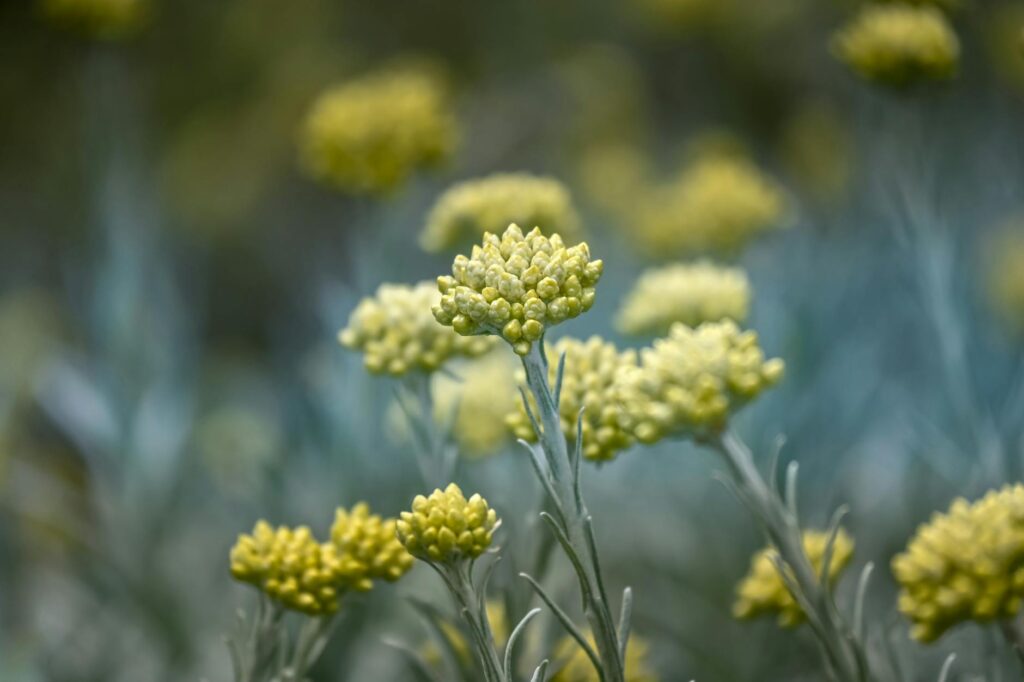
Helichrysum oil is derived from the flowers of the Helichrysum italicum plant, commonly found in Mediterranean regions. Known as “everlasting” or “immortal” due to its ability to retain its color and shape after drying, helichrysum has been used for centuries in traditional medicine and cosmetic applications. The essential oil is extracted through steam distillation of the flowers, resulting in a golden-yellow liquid with a rich, herbaceous aroma.
The chemical composition of helichrysum oil is complex, containing various compounds such as italidione, neryl acetate, and alpha-pinene, which contribute to its distinctive scent and therapeutic properties.
Key Benefits and Properties
Helichrysum oil is celebrated for its multitude of benefits, making it a valuable addition to any aromatherapy toolkit. Some key properties include:
1. Anti-Inflammatory: Helichrysum oil has been recognized for its potential anti-inflammatory effects, making it useful for soothing irritated skin and reducing redness.
2. Antioxidant: The oil contains powerful antioxidants that help combat oxidative stress, potentially protecting the skin from premature aging.
3. Antimicrobial: Helichrysum oil has demonstrated antimicrobial properties, which makes it a suitable choice for supporting skin health.
4. Emotional Support: The aroma of helichrysum is known to have calming and grounding effects, aiding in emotional balance and mental clarity.
5. Skin Rejuvenation: Often used in skincare formulations, helichrysum oil can promote healthy skin regeneration, making it popular for addressing scars and blemishes.
Common Uses
Helichrysum oil finds its way into various applications, including:
- Skincare: Its anti-inflammatory and antioxidant properties make it a favored ingredient in serums, creams, and lotions for promoting youthful and healthy skin.
- Massage: Often blended with carrier oils, helichrysum oil is used in massage therapy to alleviate muscle tension and promote relaxation.
- Home Fragrance: Its pleasant aroma is frequently used in diffusers or candles to create a calming atmosphere in homes or wellness spaces.
- Perfume: The unique scent of helichrysum oil can be utilized in custom perfumes, adding depth and character to fragrance blends.
- Hair Care: Some formulations include helichrysum oil to enhance scalp health and improve hair texture.
Aromatherapy Applications
In aromatherapy, helichrysum oil can be applied in several ways:
Diffusion
Using a diffuser, helichrysum oil can be dispersed into the air, filling a space with its soothing aroma. This method is ideal for creating a tranquil environment, especially during meditation or relaxation practices. Adding a few drops to a diffuser blends well with other essential oils like lavender or bergamot, enhancing the overall therapeutic experience.
Topical Application
When using helichrysum oil on the skin, it is crucial to dilute it with a carrier oil such as jojoba, coconut, or olive oil. A common ratio is 2-3 drops of helichrysum oil per teaspoon of carrier oil. This diluted mixture can be applied to specific areas of concern, such as scars, blemishes, or areas of tension.
Bathing
Adding helichrysum oil to a warm bath can create a calming and restorative experience. Combine a few drops of the essential oil with a carrier oil or bath salt to ensure even distribution in the water. This method may help soothe sore muscles and promote relaxation.
Inhalation
For immediate emotional support, inhaling helichrysum oil directly from the bottle or placing a few drops on a tissue can provide a quick sense of calm and grounding. This technique is particularly useful during stressful moments or when seeking mental clarity.
Safety Considerations
While helichrysum oil is generally considered safe for most individuals, it is essential to follow safety guidelines:
1. Dilution: Always dilute helichrysum oil with a carrier oil before applying it to the skin to prevent potential irritation.
2. Patch Test: Conduct a patch test before using helichrysum oil topically to check for any allergic reactions. Apply a small amount of the diluted oil to a discreet area and observe for 24 hours.
3. Pregnancy and Nursing: Pregnant or nursing individuals should consult with a healthcare professional before using helichrysum oil.
4. Sensitivity: Those with sensitive skin or specific health conditions should seek guidance from a qualified aromatherapist or healthcare provider before incorporating helichrysum oil into their routine.
5. Children: Use caution when applying essential oils around children, as their skin can be more sensitive. It is advisable to consult a healthcare professional for appropriate usage.
Storage and Shelf Life
Proper storage of helichrysum oil is essential to maintain its quality and efficacy. Store the oil in a cool, dark place, away from direct sunlight and heat sources. Glass containers with tight-sealing lids are recommended to prevent oxidation.
The shelf life of helichrysum oil can vary, typically lasting from 1 to 3 years when stored correctly. Regularly check for changes in aroma or appearance, as these may indicate that the oil has degraded.
Frequently Asked Questions
What makes helichrysum oil different from other essential oils?
Helichrysum oil is unique due to its complex chemical composition, which gives it distinct anti-inflammatory and antioxidant properties. Its rich, herbaceous aroma also sets it apart from other essential oils.
Can helichrysum oil be used for emotional support?
Yes, helichrysum oil is often used in aromatherapy for its calming effects. Its grounding aroma can help alleviate feelings of stress and promote emotional balance.
Is helichrysum oil safe for all skin types?
While helichrysum oil is generally well-tolerated, individuals with sensitive skin should proceed with caution and perform a patch test. Dilution with a carrier oil is essential for safe topical application.
Can helichrysum oil help with scars?
Helichrysum oil is popular in skincare for its potential skin-rejuvenating properties, making it a common choice for addressing scars and blemishes. However, results can vary, and consistent use may be necessary for optimal outcomes.
How can I incorporate helichrysum oil into my routine?
You can incorporate helichrysum oil through diffusion, topical application, bathing, or inhalation. Select the method that best suits your needs and preferences, ensuring to follow safety guidelines.
Conclusion
Helichrysum oil is a versatile essential oil with a rich history in aromatherapy and skincare. Its unique properties, combined with its pleasant aroma, make it a valuable tool for enhancing emotional and physical well-being. By understanding its benefits, applications, and safety considerations, individuals can confidently explore the use of helichrysum oil in their aromatherapy practices. As always, it is essential to approach essential oils with respect and care, ensuring a safe and enjoyable experience.