
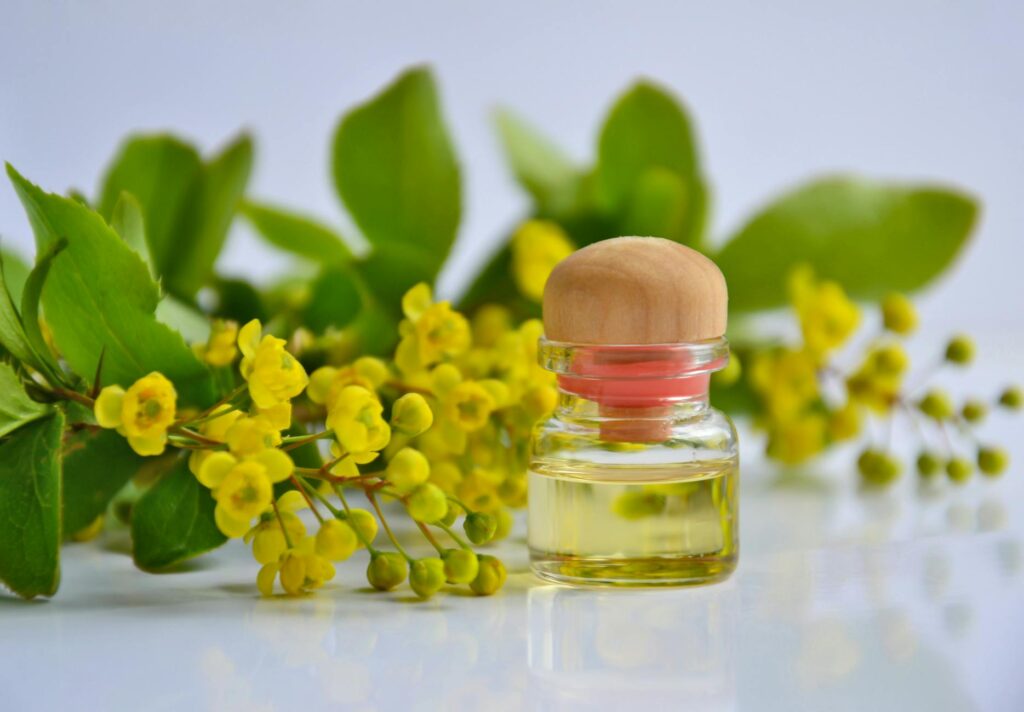
How Herbal Infused Oils Are Used in Aromatherapy
Introduction
Aromatherapy is a holistic healing practice that harnesses the therapeutic properties of essential oils derived from plants. However, herbal infused oils are often overlooked in this domain, despite their significant role in enhancing well-being. These oils combine the beneficial properties of carrier oils with the therapeutic qualities of various herbs, creating a versatile medium for application in aromatherapy. This article explores what herbal infused oils are, their benefits, common uses, applications in aromatherapy, safety considerations, and storage guidelines.
What Is Herbal Infused Oils?
Herbal infused oils are created by steeping herbs in a carrier oil over a period, allowing the oil to absorb the properties of the herbs. Unlike essential oils, which are concentrated extracts obtained through distillation or cold pressing, herbal infused oils are typically gentler and carry a broader spectrum of plant constituents. Common carrier oils used for infusion include olive oil, jojoba oil, sweet almond oil, and coconut oil.
The infusion process can be done using two main methods: cold infusion and heat infusion. Cold infusion involves placing dried herbs in a carrier oil and allowing them to steep over several weeks, while heat infusion accelerates the process by gently warming the mixture to extract the herb’s properties more quickly.
Key Benefits and Properties
Herbal infused oils offer a variety of benefits and properties, including:
1. Nutritional Support: Many herbs contain vitamins, minerals, and antioxidants that contribute to overall health.
2. Anti-Inflammatory Properties: Certain herbs possess anti-inflammatory qualities, making herbal infused oils beneficial in soothing skin irritations and promoting healing.
3. Antioxidant Effects: Some herbs are rich in antioxidants, which can help combat oxidative stress and support skin health.
4. Antimicrobial Activity: Many herbs have natural antimicrobial properties, making them effective in topical applications.
5. Aromatherapy Benefits: The scent profiles of infused oils can evoke emotional responses and enhance mood, contributing to the overall therapeutic experience.
Common Uses
Herbal infused oils can be employed in various ways, including:
- Topical Applications: These oils are commonly used for massages, moisturizers, and skin treatments. They can soothe dry skin, reduce redness, and improve overall skin texture.
- Hair Care: Infused oils can be used as hair treatments to nourish and condition the scalp and hair, promoting shine and strength.
- Bath Additives: Adding herbal infused oils to bathwater can enhance relaxation and provide aromatherapy benefits.
- Culinary Uses: Some herbal infused oils can be used in cooking or as dressings, offering flavor and nutritional benefits.
- Containers: Store herbal infused oils in dark glass bottles to protect them from light, which can degrade their quality.
- Temperature: Keep the oils in a cool, dark place, away from direct sunlight and heat sources.
- Shelf Life: The shelf life of herbal infused oils can vary depending on the carrier oil used and the herbs infused. Generally, they can last anywhere from six months to two years. Regularly check for changes in smell, color, or consistency, which may indicate spoilage.
Aromatherapy Applications
In the realm of aromatherapy, herbal infused oils can be used in various applications:
1. Diffusion
While herbal infused oils are less commonly used in diffusers compared to essential oils, they can still provide aromatic benefits. When diluted properly, they can be added to a diffuser to create a calming atmosphere and promote relaxation.
2. Massage
Herbal infused oils make excellent massage oils due to their nourishing properties. They can be blended with other essential oils to enhance their therapeutic effects. For example, an infused oil with chamomile can be combined with lavender essential oil for a restful massage blend.
3. Skin Care
Infused oils can be applied directly to the skin or mixed into lotions and creams. They can also serve as a base for essential oils, allowing for a customized skincare experience. For instance, a calendula-infused oil may be particularly soothing for sensitive skin.
4. Bathing Rituals
Adding herbal infused oils to bathwater can create a soothing and aromatic experience. Oils infused with herbs such as lavender or chamomile can help promote relaxation and alleviate stress.
5. Inhalation
For a more concentrated aromatherapy effect, herbal infused oils can be placed on a handkerchief or cotton ball and inhaled directly. This method can be useful for quick stress relief or mood enhancement.
Safety Considerations
While herbal infused oils are generally considered safe for topical use, several safety considerations should be taken into account:
1. Patch Test: It is advisable to perform a patch test before applying any new oil to the skin. Apply a small amount on a discreet area and wait for 24 hours to check for any adverse reactions.
2. Dilution: Herbal infused oils should be diluted before use, especially if they are combined with essential oils or applied to sensitive areas.
3. Pregnancy and Nursing: Some herbs may not be suitable for pregnant or nursing women. It is essential to consult with a qualified professional before using herbal infused oils in these cases.
4. Allergies: Individuals with known allergies to specific herbs should avoid using oils infused with those herbs.
5. Quality of Ingredients: The quality of the carrier oil and herbs used in the infusion process is crucial. Always opt for organic and sustainably sourced ingredients to ensure the best results.
Storage and Shelf Life
Proper storage is essential for maintaining the quality and efficacy of herbal infused oils. Here are some guidelines:
Frequently Asked Questions
1. Can I make my own herbal infused oils at home?
Yes, creating your own herbal infused oils at home is a straightforward process. Choose your preferred herbs and carrier oil, and follow one of the infusion methods to create a personalized oil.
2. Are herbal infused oils suitable for all skin types?
While many herbal infused oils are gentle, it is essential to consider individual skin sensitivities and perform a patch test before full application.
3. Can I use herbal infused oils in cooking?
Some herbal infused oils are edible, such as those made with culinary herbs like basil or rosemary. Always ensure that the herbs used are safe for consumption.
4. How do I know which herbs to use for infusion?
The choice of herbs for infusion can depend on their desired properties. Research herbal properties or consult with a knowledgeable source to select herbs that align with your needs.
5. Can I mix different herbal infused oils?
Yes, blending different herbal infused oils can create unique combinations that enhance the aromatic and therapeutic properties.
Conclusion
Herbal infused oils serve as a potent and versatile tool in the realm of aromatherapy. By harnessing the natural properties of herbs through careful infusion, these oils can enhance physical, emotional, and spiritual well-being. Whether used for topical applications, in massage, or as part of a relaxing bath ritual, herbal infused oils offer a gentle yet effective approach to holistic health. As with any natural remedy, it is essential to approach their use with knowledge and care, ensuring both safety and efficacy.