
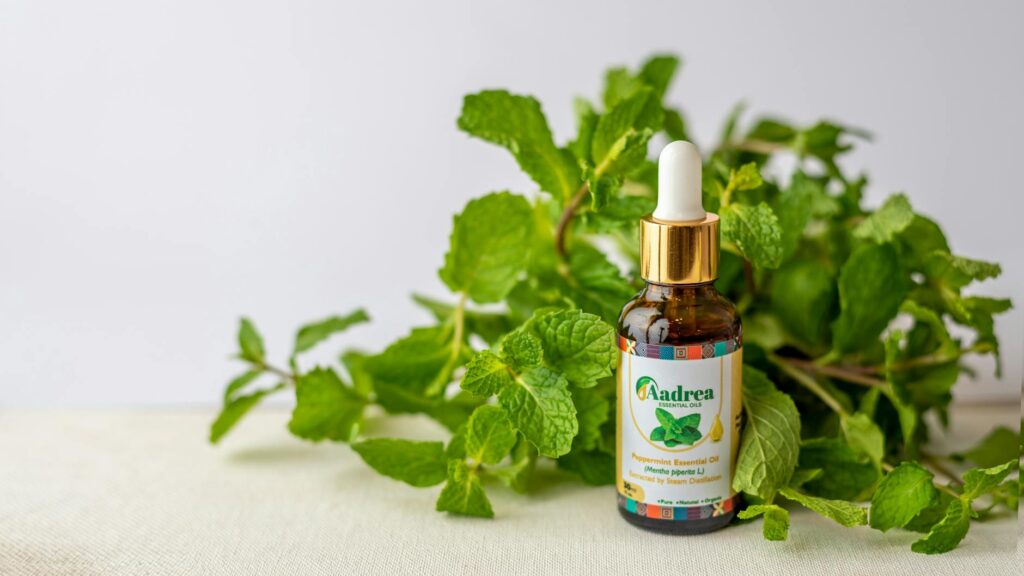
How Herbal Infusions Are Used in Aromatherapy
Introduction
Aromatherapy is a holistic practice that utilizes the therapeutic properties of essential oils derived from plants to enhance physical and emotional well-being. While essential oils often take center stage, another important aspect of this practice is the use of herbal infusions. These infusions are made by steeping herbs in a solvent, typically water or oil, to extract their aromatic compounds and beneficial properties. This article delves into the concept of herbal infusions, their benefits, applications in aromatherapy, and essential safety considerations.
What Is Herbal Infusion?
Herbal infusion is a method of extracting the essence of herbs by steeping them in a liquid medium. This process allows the water or oil to absorb the active constituents of the herbs, resulting in a product that retains the flavor, fragrance, and beneficial properties of the original plant material.
Types of Herbal Infusions
1. Water Infusions: Often referred to as herbal teas, these are made by boiling water and steeping dried or fresh herbs in it. Water infusions are commonly used for their flavor and subtle therapeutic effects.
2. Oil Infusions: In this method, dried herbs are soaked in a carrier oil (such as olive, almond, or jojoba) for an extended period. The oil absorbs the herbal constituents, creating a fragrant oil that can be used in various applications.
3. Alcohol Infusions: Sometimes, herbs are steeped in alcohol (like vodka) to create tinctures. While less common in aromatherapy, these extracts can be potent and are often used in herbal medicine.
Key Benefits and Properties
Herbal infusions provide an array of benefits that can enhance the effects of aromatherapy. Some of the key properties include:
- Aromatic Qualities: The natural scents of herbs can create calming or uplifting atmospheres, contributing to emotional balance.
- Therapeutic Properties: Many herbs possess unique characteristics that can support various aspects of well-being. For example, chamomile is known for its calming effects, while peppermint can be invigorating.
- Hydration: Water infusions can provide hydration, making them not only aromatic but also beneficial for skin health when used in topical applications.
- Versatile Applications: Herbal infusions can be used in a variety of ways, including in baths, massage oils, and diffusers.
- Diffusers: Allowing their calming aroma to fill a room.
- Soothing Baths: Adding a few cups of herbal infusion to bathwater to promote relaxation.
- Morning Diffusion: Using invigorating herbal infusions in the morning to help energize and focus.
- Inhalation: Through steam inhalation, these herbs can help clear the mind and promote alertness.
- Facial Steams: Herbal infusions like calendula or green tea can be used in facial steams to promote skin health.
- Massage Oils: Infusions in carrier oils can be applied to the skin to soothe irritation or dryness.
- Eucalyptus or Thyme Infusions: Used in steam inhalation for respiratory support.
- Ginger or Peppermint Infusions: Can be comforting for digestive issues that may arise with seasonal changes.
Common Uses
Herbal infusions can be employed in various contexts within aromatherapy. Some common uses include:
1. Baths: Adding herbal infusions to bathwater can create a soothing and aromatic experience. Lavender and chamomile infusions are popular for relaxation.
2. Massage Oils: Herbal-infused oils can be used for massage, offering both aromatic and therapeutic benefits. Calendula and arnica-infused oils are often used for their skin-soothing properties.
3. Diffusion: Water infusions can be added to diffusers to disperse their aroma throughout a space. Various herbal blends can be tailored to create specific atmospheres, such as relaxation or invigoration.
4. Inhalation: Herbal infusions can be used in steam inhalation therapy. Inhaling the steam from infusions like eucalyptus or peppermint can provide respiratory relief and enhance overall well-being.
Aromatherapy Applications
The applications of herbal infusions in aromatherapy are varied and can cater to different needs and preferences. Here are some specific examples:
1. Relaxation and Stress Relief
Herbal infusions such as lavender, chamomile, and valerian root are renowned for their calming effects. These infusions can be utilized in:
2. Energizing and Uplifting
Herbs like peppermint, rosemary, and lemon balm can invigorate the senses. Applications include:
3. Skin Care
Herbal infusions can be incorporated into skincare routines due to their beneficial properties. Examples include:
4. Seasonal Support
Certain herbal infusions may help alleviate discomfort during seasonal transitions. Herbal options may include:
Safety Considerations
While herbal infusions can provide numerous benefits, it is crucial to consider safety:
1. Quality of Herbs: Always source herbs from reputable suppliers to ensure they are free from contaminants.
2. Allergies: Be aware of any personal allergies to specific herbs. Conduct a patch test if applying herbal-infused oils to the skin.
3. Dilution: When using infused oils, especially for topical applications, proper dilution with a carrier oil is essential to avoid skin irritation.
4. Pregnancy and Nursing: Some herbs may not be safe during pregnancy or breastfeeding. It is advisable to consult a qualified professional when considering their use.
5. Interactions with Medications: Certain herbs may interact with medications. Always research or consult a professional before using herbal infusions if you are on medication.
Storage and Shelf Life
Proper storage is essential to maintain the potency and quality of herbal infusions. Here are some guidelines:
1. Storage Conditions: Keep herbal infusions in dark, cool places away from direct sunlight. Light and heat can degrade their quality.
2. Containers: Use airtight glass containers for storage. Plastic containers can leach chemicals into the infusion over time.
3. Shelf Life: Water infusions typically have a shorter shelf life of 1-2 days when refrigerated, while oil infusions can last several months to a year when stored properly.
4. Signs of Spoilage: Always check for changes in color, smell, or texture before use. Discard any infusion that appears to have spoiled.
Frequently Asked Questions
1. What is the difference between herbal infusions and essential oils?
Herbal infusions are made by steeping herbs in a liquid, whereas essential oils are highly concentrated extracts obtained through distillation or cold pressing. Infusions are generally less potent but can offer a broader range of constituents.
2. How can I make my own herbal infusion?
To create a water infusion, simply boil water and steep your chosen herbs for about 10-15 minutes. For oil infusions, combine dried herbs with a carrier oil in a jar and let it sit in a warm place for 2-6 weeks, shaking occasionally before straining.
3. Can I use fresh herbs for infusions?
Yes, fresh herbs can be used for infusions, although the quantity may need to be adjusted since fresh herbs are less concentrated than dried ones.
4. Are herbal infusions suitable for everyone?
While many individuals can safely enjoy herbal infusions, those with specific health concerns, allergies, or who are pregnant or nursing should exercise caution and consult with a knowledgeable professional.
5. Can I combine different herbs in an infusion?
Yes, combining herbs can create unique aromas and effects. However, it is essential to research the properties and potential interactions of the herbs before mixing.
Conclusion
Herbal infusions play a significant role in the practice of aromatherapy, offering a versatile way to harness the benefits of plant-based aromas and properties. From relaxation to skin care, these infusions can enhance the overall experience of aromatherapy. Understanding how to create, apply, and store herbal infusions can empower individuals to explore this enriching practice safely and effectively. Whether you are a novice or an experienced practitioner, incorporating herbal infusions into your aromatherapy repertoire can deepen your connection to the healing power of nature.