
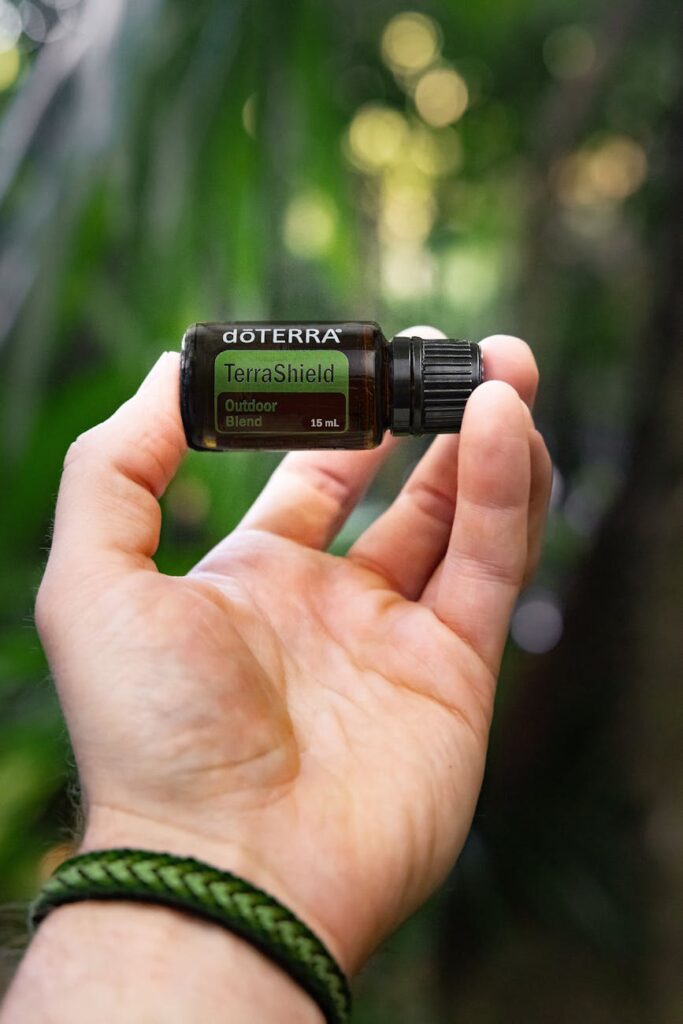
How Immune Support Blends Are Used in Aromatherapy
Introduction
Aromatherapy, the practice of using essential oils extracted from plants for therapeutic purposes, has gained immense popularity in recent years. Among the various applications of essential oils, immune support blends have emerged as a significant focus for promoting overall wellness. This article aims to explore what immune support blends are, their key benefits, common uses, applications in aromatherapy, safety considerations, storage, and shelf life.
What Is Immune Support Blends?
Immune support blends are formulations of essential oils specifically designed to bolster the body’s immune system. These blends typically consist of oils that have been traditionally associated with enhancing immunity, reducing susceptibility to infections, and promoting overall health. Common essential oils found in these blends include tea tree, eucalyptus, lemon, lavender, and oregano, each contributing unique properties that synergistically support immune function.
Key Benefits and Properties
The essential oils used in immune support blends are selected for their specific benefits:
1. Antimicrobial Properties: Many essential oils possess natural antimicrobial qualities that can help combat bacteria, viruses, and fungi. For instance, tea tree oil is renowned for its potent antibacterial and antifungal properties.
2. Anti-inflammatory Effects: Oils such as eucalyptus and lavender contain compounds that may reduce inflammation, which is beneficial for maintaining a healthy immune response.
3. Antioxidant Activity: Some essential oils, like lemon and rosemary, are rich in antioxidants, which help to neutralize free radicals in the body, thereby reducing oxidative stress.
4. Respiratory Support: Certain oils, particularly eucalyptus and peppermint, are known to support respiratory function, facilitating easier breathing during times of illness.
5. Mood Enhancement: Stress can negatively impact immune function. Essential oils like lavender and bergamot have calming properties that may help to alleviate stress and anxiety, supporting overall wellness.
Common Uses
Immune support blends can be used in a variety of ways, depending on individual preferences and the desired effects. Some common uses include:
- Diffusion: Adding a few drops of an immune support blend to a diffuser can disperse the aroma throughout a room, creating a beneficial environment for respiratory health.
- Inhalation: Direct inhalation from the bottle or by placing a few drops on a tissue can provide immediate benefits, especially during cold and flu seasons.
- Topical Application: Diluting immune support blends with a carrier oil and applying them to pulse points or affected areas can provide localized benefits.
- Bath Soaks: Adding immune support blends to bathwater can create a soothing experience, allowing the body to absorb the oils through the skin and inhalation.
- Household Cleaning: Incorporating immune support essential oils into cleaning products can enhance their effectiveness due to their antimicrobial properties.
Aromatherapy Applications
Aromatherapy applications of immune support blends can vary widely. Here are some effective methods:
1. Diffusers
Ultrasonic diffusers are popular for dispersing essential oils into the air. A few drops of an immune support blend can create an aromatic environment conducive to health.
2. Roll-On Blends
Creating a roll-on blend with a carrier oil allows for easy application on the go. A typical recipe might include 10-15 drops of an immune support blend mixed with 1 ounce of carrier oil, such as jojoba or sweet almond oil.
3. Steam Inhalation
For respiratory support, steam inhalation is a beneficial method. A few drops of immune support oil can be added to a bowl of hot water. Covering the head with a towel while inhaling the steam can provide immediate relief for nasal and respiratory discomfort.
4. Massage Oils
Adding immune support essential oils to massage oils can enhance the benefits of regular therapeutic massage, promoting relaxation while supporting immune health.
5. Aromatic Baths
Aromatherapy baths can be enhanced by adding a few drops of immune support blends to bath salts or directly into the water. This method provides both inhalation and skin absorption benefits.
Safety Considerations
While essential oils are generally considered safe when used appropriately, there are several safety considerations to keep in mind:
1. Dilution: Essential oils are potent and should always be diluted in a carrier oil for topical use to prevent skin irritation. A common dilution ratio is 2-3% for adults, which equates to approximately 10-15 drops of essential oil per ounce of carrier oil.
2. Skin Sensitivity: Individuals with sensitive skin or allergies should conduct a patch test before widespread application.
3. Pregnancy and Nursing: Some essential oils may not be suitable for pregnant or nursing individuals. Consultation with a healthcare professional is advisable.
4. Children: Certain essential oils are inappropriate for children. Always check guidelines or consult a knowledgeable source before use.
5. Medical Conditions: Individuals with specific health conditions or those taking medications should consult with a healthcare provider before using essential oils, as interactions may occur.
Storage and Shelf Life
Proper storage of essential oils is crucial for maintaining their potency and efficacy. Here are some guidelines:
1. Dark Glass Containers: Essential oils should be stored in dark glass bottles to protect them from light degradation.
2. Cool, Dry Place: Keeping oils in a cool, dry place away from direct sunlight and heat sources will help prolong their shelf life.
3. Tight Seals: Ensure that bottles are tightly sealed to prevent oxidation and evaporation.
4. Shelf Life: While most essential oils can last from 1 to 5 years, citrus oils generally have a shorter shelf life of about 1-2 years. Regularly check for changes in scent, color, or viscosity as indicators of deterioration.
Frequently Asked Questions
1. What is the best way to use immune support blends?
The best method depends on personal preference. Diffusion is a popular choice for creating an aromatic environment, while topical application can provide localized benefits.
2. Can I create my own immune support blend?
Yes, many individuals enjoy creating their own blends using essential oils known for their immune-supporting properties. It is recommended to research the properties of each oil and use appropriate dilution ratios.
3. How often can I use immune support blends?
Usage frequency may vary based on individual needs and sensitivities. It is advisable to start with limited use and monitor for any adverse reactions.
4. Are there any essential oils I should avoid in immune support blends?
Some oils may be irritating or unsuitable for certain populations. For example, cinnamon and clove oils should be used cautiously due to their potential to irritate the skin.
5. Can immune support blends replace traditional medicine?
While immune support blends can complement a healthy lifestyle, they should not replace traditional medical advice or treatment. Always consult healthcare professionals for medical concerns.
Conclusion
Immune support blends in aromatherapy offer a natural avenue for enhancing well-being and supporting the body’s defenses. By understanding the properties, benefits, and appropriate applications of these blends, individuals can make informed decisions about their use in everyday life. As with all aspects of wellness, a balanced approach that includes healthy lifestyle choices, proper nutrition, and adequate rest remains essential for optimal immune function.