
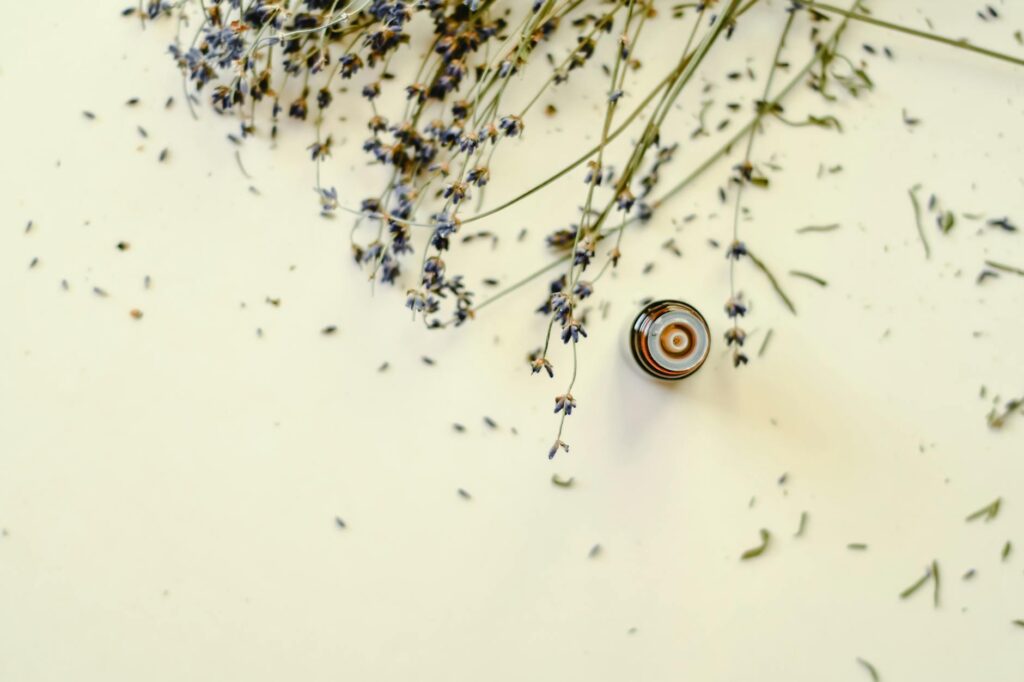
How Lavender Oil Is Used in Aromatherapy
Introduction
Aromatherapy has gained popularity as a holistic approach to wellness, utilizing essential oils to promote emotional and physical health. Among the plethora of essential oils available, lavender oil stands out for its versatility and soothing properties. This article delves into lavender oil, exploring its origins, benefits, applications in aromatherapy, and essential safety considerations.
What Is Lavender Oil?
Lavender oil is derived from the flowers of the Lavandula angustifolia plant, commonly known as true lavender. This aromatic herb is native to the Mediterranean region but is cultivated worldwide for its fragrant blooms and essential oil. The extraction process typically involves steam distillation, which preserves the delicate compounds that contribute to its unique scent and therapeutic properties.
Lavender oil has a fresh, floral, and herbaceous aroma, making it a favorite in perfumes, cosmetics, and household products. Its gentle scent is often associated with relaxation and tranquility, making it a staple in aromatherapy practices.
Key Benefits and Properties
Lavender oil is renowned for its various properties that contribute to its use in aromatherapy:
1. Relaxation and Stress Relief: Lavender oil is commonly recognized for its calming effects. It is often used to alleviate feelings of anxiety and stress, promoting a sense of peace and emotional balance.
2. Sleep Aid: Many individuals utilize lavender oil to improve sleep quality. Its soothing aroma may help to ease insomnia and promote restful slumber.
3. Antimicrobial Properties: Lavender oil possesses natural antibacterial and antifungal properties, making it beneficial for maintaining a clean environment when used in diffusers or as a cleaning agent.
4. Anti-inflammatory Effects: Some studies suggest that lavender oil may help reduce inflammation, which can be beneficial for soothing minor irritations.
5. Mood Enhancer: The uplifting scent of lavender can enhance mood and promote feelings of well-being, making it a popular choice for emotional support.
Common Uses
Lavender oil is utilized in various ways, both in daily life and in therapeutic practices:
- Diffusion: One of the most common methods, diffusion involves dispersing lavender oil into the air using an essential oil diffuser. This method helps to create a serene atmosphere and can be particularly beneficial in calming environments.
- Topical Application: Lavender oil can be diluted with a carrier oil (such as coconut or jojoba oil) and applied to the skin. It is often used in massage to promote relaxation and can be added to skincare products for its soothing properties.
- Bath Additive: Adding a few drops of lavender oil to bathwater can enhance relaxation and create a spa-like experience.
- Inhalation: Direct inhalation of lavender oil from the bottle or a cotton ball can provide immediate calming effects.
- Household Products: Lavender oil is often incorporated into cleaning products, air fresheners, and candles for its pleasant scent and antimicrobial properties.
- Dilution: Always dilute lavender oil with a carrier oil before applying it to the skin to prevent irritation.
- Allergic Reactions: Conduct a patch test before using lavender oil topically to check for any allergic reactions.
- Pregnancy and Nursing: Pregnant or nursing individuals should consult with a healthcare professional before using lavender oil.
- Children: Use caution when applying essential oils around children. It is advisable to consult with a qualified aromatherapist or healthcare provider regarding appropriate usage.
- Interactions: Individuals taking medications or with underlying health issues should seek guidance from a healthcare professional before using lavender oil.
- Cool, Dark Place: Store lavender oil in a cool, dark place away from direct sunlight and heat sources. This helps to prevent oxidation and degradation of the oil.
- Tightly Sealed Containers: Ensure that the bottle is tightly sealed to minimize exposure to air, which can also affect the oil’s quality.
- Shelf Life: When stored properly, lavender oil typically has a shelf life of 3 to 5 years. It is advisable to check for any changes in color, scent, or consistency before use.
Aromatherapy Applications
Lavender oil can be incorporated into various aromatherapy practices:
1. Massage Therapy
In massage therapy, lavender oil is frequently blended with carrier oils to enhance relaxation and relieve muscle tension. The calming aroma helps create an environment conducive to stress relief.
2. Sleep Rituals
For those seeking better sleep, lavender oil can be integrated into bedtime routines. This may include diffusing the oil in the bedroom, applying it to pulse points, or adding it to pillow sprays.
3. Meditation and Mindfulness
Lavender oil is often used during meditation practices to promote a tranquil state of mind. Its calming scent can help individuals focus and facilitate deeper relaxation.
4. Emotional Support
In times of emotional distress, lavender oil can be used to uplift mood and promote emotional stability. It can be inhaled directly or added to personal inhalers for easy access.
5. Skin Care
Due to its anti-inflammatory and antimicrobial properties, lavender oil is often included in skincare formulations. It can soothe minor skin irritations, making it a popular choice for DIY beauty products.
Safety Considerations
While lavender oil is generally considered safe for most individuals, certain precautions should be taken:
Storage and Shelf Life
To maintain the quality and efficacy of lavender oil, proper storage is essential:
Frequently Asked Questions
1. Can I use lavender oil for aromatherapy if I have allergies?
If you have allergies, it is important to conduct a patch test before using lavender oil. If you experience any irritation or allergic reaction, discontinue use and consult a healthcare professional.
2. Is lavender oil safe for children?
Lavender oil can be used around children, but it is advisable to consult with a qualified aromatherapist or healthcare provider for appropriate dilution and application methods.
3. How can I use lavender oil for better sleep?
Using lavender oil for sleep can involve diffusion in the bedroom, applying diluted oil to pulse points, or adding it to a warm bath before bedtime.
4. Can I mix lavender oil with other essential oils?
Yes, lavender oil blends well with many other essential oils, such as bergamot, chamomile, and frankincense. Combining oils can enhance their overall effects and create unique aromatic experiences.
5. How do I know if my lavender oil is pure?
To ensure the purity of lavender oil, look for oils that are labeled as 100% pure essential oil without additives. Reputable brands often provide information on sourcing and testing to verify their quality.
Conclusion
Lavender oil serves as a versatile and widely embraced element in the realm of aromatherapy. Its calming properties, combined with a delightful fragrance, make it a valuable addition to various wellness practices. By understanding its benefits, applications, and safety considerations, individuals can effectively incorporate lavender oil into their daily routines, enhancing their overall sense of well-being. As with all essential oils, knowledge and caution are essential to ensure a safe and rewarding experience.