
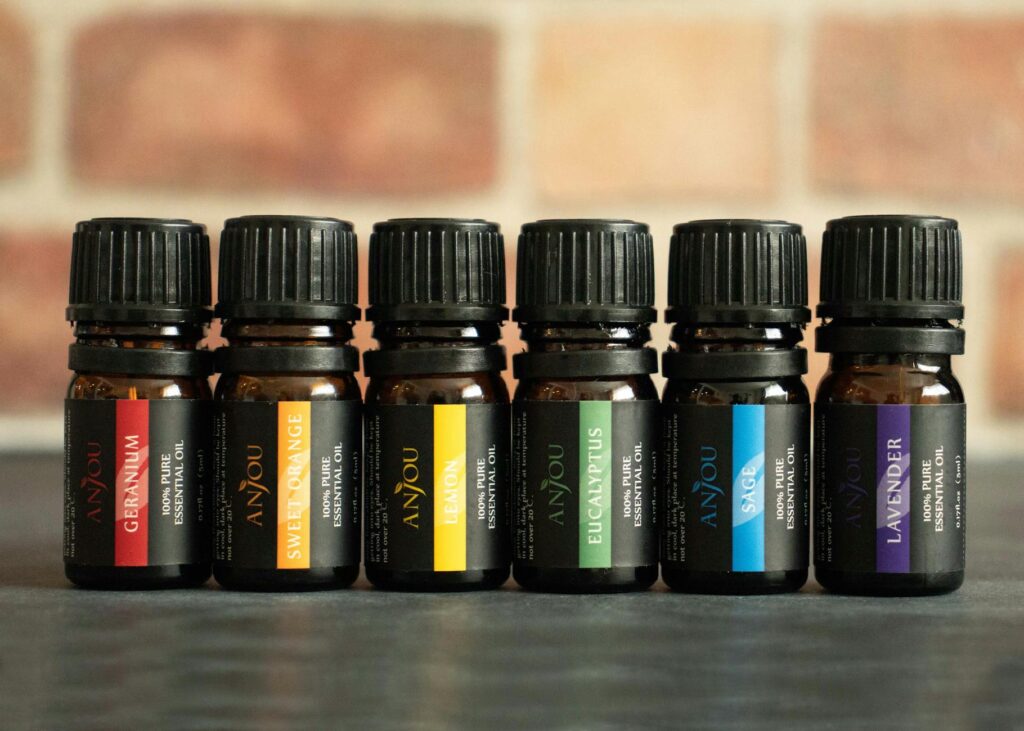
How Lemon Oil Is Used in Aromatherapy
Introduction
Lemon oil, derived from the peels of the Citrus limon fruit, has been a staple in the realm of aromatherapy for its invigorating and uplifting properties. As the world becomes increasingly aware of the benefits of natural therapies, lemon oil has garnered attention for its versatility in promoting emotional well-being and enhancing physical environments. This article delves into the characteristics, benefits, and applications of lemon oil in aromatherapy, providing a comprehensive overview for enthusiasts and practitioners alike.
What Is Lemon Oil?
Lemon oil is an essential oil extracted from the zest of the lemon fruit through cold-pressing methods. The oil possesses a bright, fresh aroma that is instantly recognizable and often associated with cleanliness and vitality. This essential oil is rich in compounds such as limonene, citral, and beta-pinene, which contribute to its unique fragrance and beneficial properties. Lemon oil is widely used not only in aromatherapy but also in cosmetics, household cleaning products, and culinary applications.
Key Benefits and Properties
1. Mood Elevation
One of the most notable benefits of lemon oil is its ability to elevate mood. The bright, citrus scent is known to reduce feelings of stress and anxiety, promoting a sense of happiness and positivity. Many users find that diffusing lemon oil can create an uplifting atmosphere, making it a popular choice for both home and workplace environments.
2. Energizing and Revitalizing
Lemon oil is often associated with increased energy and mental clarity. Its invigorating scent can help combat fatigue and enhance alertness, making it a favorable option for those needing a mental boost throughout the day.
3. Antimicrobial Properties
Research suggests that lemon oil possesses antimicrobial properties, which can help purify the air and surfaces. This quality makes it a natural choice for cleaning products and purifying diffusions, as it may help reduce the presence of airborne pathogens.
4. Digestive Support
While not a substitute for medical treatments, lemon oil is sometimes used in aromatherapy to promote digestive well-being. Its refreshing scent can encourage feelings of comfort and ease, particularly after meals.
5. Skin Care
In diluted forms, lemon oil is often utilized in skin care products for its astringent and brightening properties. However, caution is advised due to its potential to cause photosensitivity when exposed to sunlight.
Common Uses
Lemon oil can be employed in various ways within the realm of aromatherapy:
1. Diffusion
One of the most popular methods of using lemon oil is through diffusion. Adding a few drops of lemon oil to a diffuser can fill a space with its refreshing aroma, promoting an uplifting atmosphere.
2. Topical Application
When diluted with a carrier oil, lemon oil can be applied to the skin. It is advisable to conduct a patch test to ensure no adverse reactions occur, especially for individuals with sensitive skin.
3. Inhalation
Inhaling lemon oil directly from the bottle or a tissue can provide immediate benefits for mood enhancement and mental clarity. This method is often used in moments of stress or fatigue.
4. Household Cleaning
Due to its antimicrobial properties, lemon oil is frequently included in homemade cleaning solutions. It can be added to water or vinegar to create a natural disinfectant for various surfaces.
Aromatherapy Applications
1. Blending with Other Oils
Lemon oil blends well with various essential oils, enhancing its properties and creating synergistic effects. Some popular combinations include:
- Lavender: For a calming yet uplifting blend, mixing lemon oil with lavender can provide emotional balance.
- Peppermint: Combining lemon with peppermint creates a refreshing and invigorating aroma, ideal for enhancing focus.
- Tea Tree: For a purifying blend, lemon and tea tree oil work together to promote cleanliness and freshness.
2. Aromatherapy Massage
In aromatherapy massage, lemon oil can be diluted in a carrier oil and used to invigorate the senses. The fresh scent can enhance the overall experience, promoting relaxation and rejuvenation.
3. Bathing
Adding lemon oil to a warm bath can create a refreshing and revitalizing experience. However, when using essential oils in baths, it is essential to mix them with a carrier oil or bath salt to ensure even distribution and avoid skin irritation.
4. Room Sprays
Creating a homemade room spray with lemon oil and water can help freshen up spaces while providing an uplifting scent. A few drops of lemon oil can be combined with distilled water in a spray bottle for a natural air freshener.
Safety Considerations
While lemon oil is generally regarded as safe for most individuals, certain precautions should be taken:
1. Dilution: Always dilute lemon oil with a carrier oil before applying it to the skin to prevent irritation.
2. Photosensitivity: Lemon oil can cause photosensitivity, making the skin more susceptible to sunburn. It is advisable to avoid sun exposure after applying lemon oil topically.
3. Sensitivity Testing: Conduct a patch test prior to widespread use, especially for individuals with sensitive skin or allergies.
4. Pregnancy and Nursing: Pregnant or nursing individuals should consult a healthcare professional before using lemon oil.
5. Quality: Ensure that the lemon oil is sourced from reputable suppliers to guarantee purity and quality. Look for oils that are labeled as 100% pure essential oils without synthetic additives.
Storage and Shelf Life
Proper storage is essential to maintain the quality of lemon oil. Essential oils should be kept in a cool, dark place, away from direct sunlight and heat sources. Glass containers are preferred, as they do not react with the oil. When stored correctly, lemon oil typically has a shelf life of about 1 to 2 years. It is advisable to check for any changes in scent, color, or consistency, as these may indicate that the oil has expired.
Frequently Asked Questions
1. Can lemon oil be ingested?
Lemon oil is primarily used for topical and aromatic purposes. Ingestion should only be done under the guidance of a qualified professional.
2. Is lemon oil safe for children?
While lemon oil can be used around children, it is advisable to consult with a healthcare provider regarding appropriate dilutions and methods of use.
3. How can I tell if my lemon oil is pure?
Look for oils that state they are 100% pure and sourced from reputable companies. Essential oils should have a distinct, fresh citrus scent without any synthetic additives.
4. Can lemon oil help with cold symptoms?
While many individuals use lemon oil for its refreshing scent during cold seasons, it is not a substitute for medical treatment. It may provide comfort, but it does not cure colds.
5. How do I incorporate lemon oil into my daily routine?
Lemon oil can be added to your routine through diffusion, topical applications, and homemade cleaning products. Consider personalizing its use based on your preferences and needs.
Conclusion
Lemon oil stands out in the world of aromatherapy for its vibrant scent and multitude of benefits. Whether used for mood elevation, as a cleaning agent, or as part of a wellness routine, lemon oil offers a natural way to enhance your environment and emotional well-being. By understanding its properties, uses, and safety considerations, individuals can effectively integrate lemon oil into their daily lives, tapping into the refreshing essence of this remarkable essential oil.