
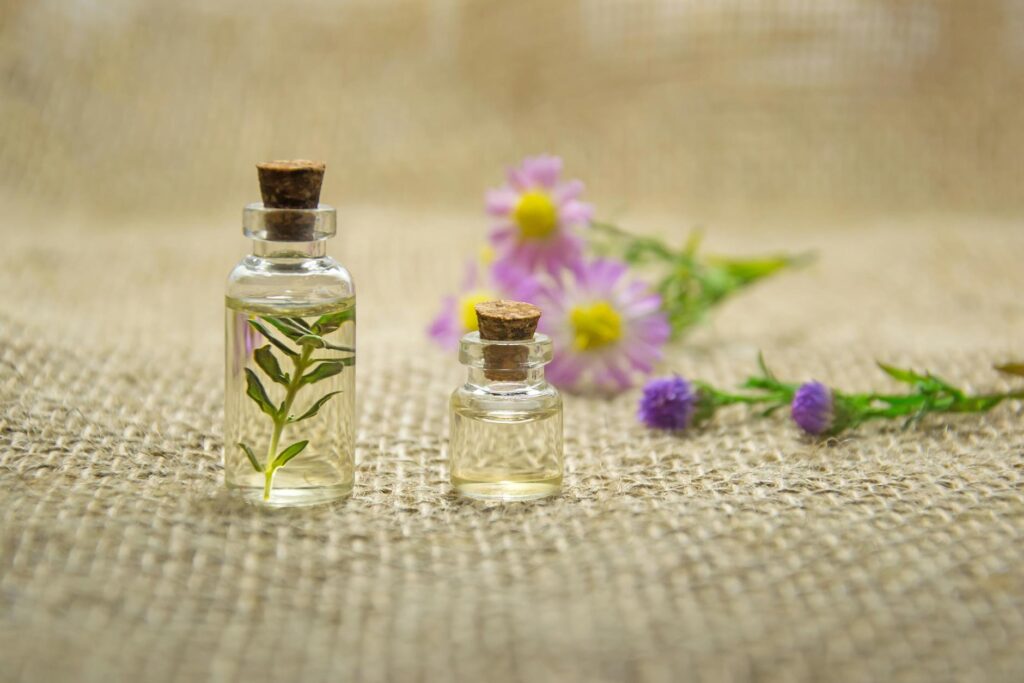
How Lemongrass Oil Is Used in Aromatherapy
Introduction
Aromatherapy, a holistic approach to wellness, utilizes essential oils extracted from plants to enhance physical, emotional, and spiritual well-being. Among the multitude of essential oils available, lemongrass oil stands out due to its distinct aroma and versatile applications. This article delves into the characteristics, benefits, and uses of lemongrass oil in the realm of aromatherapy.
What Is Lemongrass Oil?
Lemongrass oil is derived from the leaves and stalks of the lemongrass plant, scientifically known as Cymbopogon citratus. Native to tropical regions of Asia and Africa, this perennial grass is characterized by its tall, thin stalks and a fresh, citrusy scent reminiscent of lemon.
The oil is obtained through a process called steam distillation, which captures the plant’s essential compounds. The resulting oil is a pale yellow or clear liquid that contains numerous constituents, including citral, geraniol, and limonene, which contribute to its distinctive fragrance and therapeutic properties.
Key Benefits and Properties
Lemongrass oil is celebrated for its numerous benefits and properties, which include:
1. Antimicrobial Properties: Studies suggest that lemongrass oil may possess antimicrobial abilities, making it useful in purifying air and surfaces.
2. Mood Enhancement: The uplifting scent of lemongrass oil is often associated with mood enhancement. It is believed to help alleviate feelings of anxiety and stress, promoting a sense of calm.
3. Insect Repellent: The strong fragrance of lemongrass oil is known to deter insects, making it a popular choice in natural repellents.
4. Anti-inflammatory Effects: Some research indicates that lemongrass oil may exhibit anti-inflammatory properties, which can be beneficial in soothing minor discomforts.
5. Digestive Aid: While not a substitute for medical treatment, the aroma of lemongrass is sometimes used in aromatherapy to support digestion and alleviate discomfort.
6. Antioxidant Properties: Lemongrass oil contains antioxidants that can help combat oxidative stress in the body, promoting overall well-being.
Common Uses
In aromatherapy, lemongrass oil is utilized in various ways, including:
- Diffusion: Adding lemongrass oil to a diffuser can fill a space with its refreshing scent, creating an uplifting atmosphere.
- Massage: When diluted with a carrier oil, lemongrass oil can be used for massage, offering both aromatic and potential physical benefits.
- Bathing: A few drops of lemongrass oil in a warm bath can provide a soothing experience, enhancing relaxation.
- Inhalation: Direct inhalation from the bottle or through steam inhalation can offer a quick mood lift and help clear the mind.
- Lavender: For a calming blend that promotes relaxation.
- Peppermint: To invigorate the senses and boost energy.
- Tea Tree: For its antibacterial properties, creating a purifying blend.
- Dilution: Always dilute lemongrass oil with a carrier oil before applying it to the skin to minimize the risk of irritation.
- Patch Test: Conduct a patch test on a small area of skin to check for any adverse reactions before widespread use.
- Pregnancy and Nursing: Pregnant or nursing individuals should consult a healthcare professional before using lemongrass oil.
- Children and Pets: Exercise caution when using essential oils around children and pets, as they may be more sensitive to certain compounds.
- Avoiding Ingestion: Lemongrass oil is not intended for internal use unless under the guidance of a qualified professional.
- Store in a Cool, Dark Place: Exposure to light and heat can degrade the quality of essential oils. Store lemongrass oil in a dark glass bottle in a cool environment.
- Tightly Sealed: Ensure the bottle is tightly sealed to prevent oxidation and contamination.
- Shelf Life: Generally, lemongrass oil has a shelf life of about 1-2 years when stored properly. Check for changes in aroma and consistency before use.
Aromatherapy Applications
Lemongrass oil can be incorporated into various aromatherapy practices:
1. Diffusion
Using a diffuser is one of the most popular methods for dispersing lemongrass oil into the air. This technique allows for the even distribution of the oil’s aroma, making it ideal for creating a refreshing and invigorating environment. To diffuse lemongrass oil, add a few drops to the water reservoir of your diffuser, following the manufacturer’s instructions.
2. Blending with Other Oils
Lemongrass oil blends well with other essential oils, enhancing its effects. Popular combinations include:
3. Massage Oils
When used in massage, lemongrass oil can be mixed with a carrier oil, such as coconut or jojoba oil, to create a soothing massage oil. This combination can help relieve tension and promote relaxation. It is recommended to use a dilution ratio of about 2-3% essential oil to carrier oil.
4. Bath Products
Incorporating lemongrass oil into bath products can enhance the bathing experience. Adding a few drops to bath salts, oils, or even directly into the bathwater can create an invigorating atmosphere conducive to relaxation.
5. Skin Applications
While lemongrass oil is often used in skincare formulations due to its potential antimicrobial properties, it should always be diluted before applying to the skin. It is beneficial to perform a patch test prior to use to check for any sensitivities.
Safety Considerations
While lemongrass oil is generally regarded as safe for aromatic use, it is essential to consider the following safety measures:
Storage and Shelf Life
Proper storage is crucial for maintaining the quality of lemongrass oil. To ensure longevity, follow these guidelines:
Frequently Asked Questions
1. Can lemongrass oil be used in cooking?
Lemongrass oil is primarily an essential oil for aromatic and topical use. It is advisable to use culinary-grade lemongrass or lemongrass extract for cooking instead of essential oil, as essential oils are highly concentrated.
2. Is lemongrass oil safe for sensitive skin?
While some individuals may tolerate lemongrass oil well, others with sensitive skin should exercise caution. Always dilute the oil and perform a patch test before broader application.
3. How can I incorporate lemongrass oil into my daily routine?
You can incorporate lemongrass oil into your daily routine through diffusion, adding it to personal care products, or using it in massages and baths.
4. Can lemongrass oil help with stress relief?
Many users report that the uplifting aroma of lemongrass oil can contribute to a sense of well-being and stress relief when used in aromatherapy practices.
5. Are there any contraindications for using lemongrass oil?
Individuals with certain health conditions or those taking specific medications should consult a healthcare professional before using lemongrass oil to avoid potential interactions.
Conclusion
Lemongrass oil is a versatile and aromatic addition to the world of essential oils and aromatherapy. Its refreshing scent, combined with a range of beneficial properties, makes it an appealing choice for enhancing well-being. Whether used in diffusion, massage, or bath products, lemongrass oil offers an invigorating and uplifting experience that can contribute to a balanced lifestyle. As with any essential oil, understanding its properties and safety considerations is vital for maximizing its benefits in aromatherapy.