
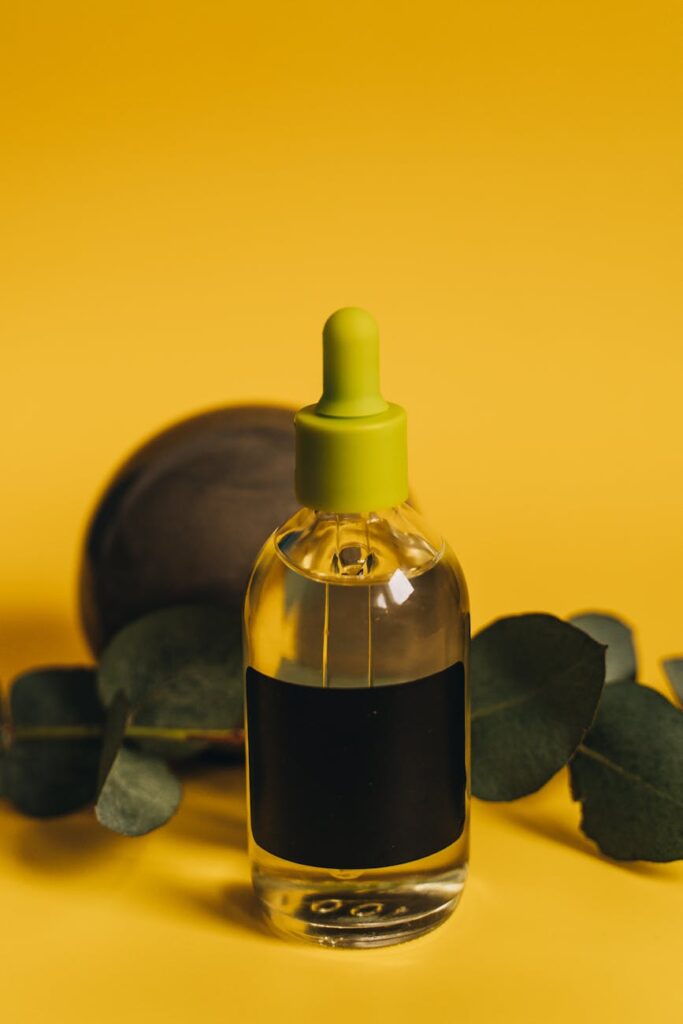
How Maracuja Oil Is Used in Aromatherapy
Introduction
Aromatherapy, the practice of using essential oils for therapeutic effect, has gained popularity in recent years as individuals seek natural remedies for relaxation and wellness. Among the diverse array of essential oils available, maracuja oil, derived from the passion fruit, stands out for its unique properties and benefits. This article delves into the characteristics of maracuja oil, its benefits, common uses, and its significance in aromatherapy.
What Is Maracuja Oil?
Maracuja oil is extracted from the seeds of the fruit of the Passiflora edulis plant, commonly known as passion fruit or maracuja. This oil is cold-pressed from the seeds, resulting in a light, non-greasy texture and a faint, pleasant aroma. Rich in essential fatty acids, vitamins, and antioxidants, maracuja oil has become a valuable component in both cosmetic and therapeutic applications.
The maracuja fruit itself is native to tropical regions of South America, but it has gained global recognition for its culinary and health benefits. The oil derived from its seeds is celebrated not just for its aromatic qualities but also for its skin-nourishing properties, making it a versatile ingredient in various formulations.
Key Benefits and Properties
Maracuja oil is distinguished by its unique composition, which contributes to its effectiveness in various applications. Here are some of its key benefits and properties:
1. Rich in Fatty Acids: Maracuja oil is abundant in linoleic and oleic acids, which help maintain skin hydration and elasticity. These fatty acids are beneficial for balancing moisture levels in the skin, making maracuja oil a popular choice in skincare.
2. Antioxidant Properties: The oil contains a range of antioxidants, including vitamin C and polyphenols, which help combat oxidative stress. These properties may contribute to the overall health of the skin and support its rejuvenation.
3. Anti-Inflammatory Effects: Maracuja oil is known for its soothing properties, which may help alleviate skin irritations and inflammation. This makes it a favorable option for individuals with sensitive skin.
4. Mood Enhancer: The aroma of maracuja oil is often described as calming and refreshing, making it a valuable addition to aromatherapy blends aimed at promoting relaxation and emotional well-being.
Common Uses
Maracuja oil is employed in various applications, including:
- Skincare: Its hydrating and soothing properties make it an ideal ingredient in facial oils, serums, and moisturizers.
- Hair Care: Maracuja oil can enhance shine and moisture in hair products, promoting healthy-looking hair.
- Massage: Due to its lightweight texture, maracuja oil is often used as a carrier oil in massage blends.
- Aromatherapy: Its pleasant aroma and calming effects make it a popular choice for diffusers and personal inhalers.
- Dilution: Always dilute maracuja oil with a carrier oil before applying it to the skin. This helps prevent any potential irritation or adverse reactions.
- Patch Test: Conduct a patch test on a small area of skin before widespread application to check for any allergic reactions.
- Pregnancy and Nursing: Pregnant or nursing individuals should consult a healthcare professional before using maracuja oil or any essential oils.
- Sensitivity: Some individuals may have sensitivities to certain essential oils. If any irritation occurs, discontinue use and consult a healthcare professional.
- Storage: Proper storage of maracuja oil is essential to maintain its quality and effectiveness. Keep it in a cool, dark place away from direct sunlight.
- Container: Always keep maracuja oil in a dark glass bottle to protect it from light, which can degrade the oil.
- Temperature: Store the oil in a cool environment, ideally between 60°F to 75°F (15°C to 24°C). Avoid exposure to high temperatures or humidity.
- Shelf Life: When stored properly, maracuja oil typically has a shelf life of about 1 to 2 years. Always check for any changes in smell or appearance that could indicate that the oil has gone rancid.
Aromatherapy Applications
In aromatherapy, maracuja oil can be used in several ways to enhance emotional and physical well-being:
1. Diffusion: When used in a diffuser, maracuja oil can help create a calming atmosphere in any space. Its scent is often associated with relaxation, making it an excellent choice for unwinding after a long day.
2. Topical Application: Maracuja oil can be diluted with a carrier oil and applied to pulse points, such as wrists and neck, for a calming effect throughout the day. This method allows for the absorption of its beneficial properties while enjoying its fragrance.
3. Bathing: Adding a few drops of maracuja oil to bathwater can create a soothing experience, promoting relaxation and stress relief. The warm water helps to disperse the oil, allowing for a gentle aromatic experience.
4. Inhalation: Inhaling the oil directly from the bottle or using a personal inhaler can provide immediate aromatic benefits. This method can be particularly useful in moments of stress or anxiety.
5. Blending: Maracuja oil blends well with other essential oils such as lavender, bergamot, and chamomile, enhancing the overall therapeutic effect. Creating custom blends allows individuals to tailor their aromatherapy experience based on personal preferences.
Safety Considerations
While maracuja oil is generally considered safe for topical use and aromatherapy, there are some important safety considerations to keep in mind:
Storage and Shelf Life
To ensure the longevity and efficacy of maracuja oil, it is crucial to store it correctly:
Frequently Asked Questions
1. Is maracuja oil safe for all skin types?
Maracuja oil is generally suitable for all skin types, including sensitive skin. However, it is advisable to perform a patch test before applying it broadly.
2. Can maracuja oil be used in cooking?
While maracuja oil is derived from edible passion fruit seeds, it is primarily used for cosmetic and therapeutic purposes. It is not commonly recommended for culinary use.
3. How do I use maracuja oil in a diffuser?
Add a few drops of maracuja oil to your diffuser according to the manufacturer’s instructions. Adjust the amount based on your preference for scent strength.
4. Can I use maracuja oil for massage?
Yes, maracuja oil is an excellent carrier oil for massage. Mix it with other essential oils for added benefits and a pleasant aroma.
5. Where can I purchase maracuja oil?
Maracuja oil is available at health food stores, specialty shops, and online retailers. Ensure that you choose a high-quality, pure oil for the best results.
Conclusion
Maracuja oil is a remarkable addition to the world of aromatherapy, offering a unique blend of benefits and applications. From its soothing aroma to its nourishing properties for skin and hair, maracuja oil is versatile and effective. As with any essential oil, understanding its properties and proper usage will enhance your aromatherapy experience. Incorporating maracuja oil into your wellness routine can be a delightful way to harness the power of nature for relaxation and rejuvenation.