
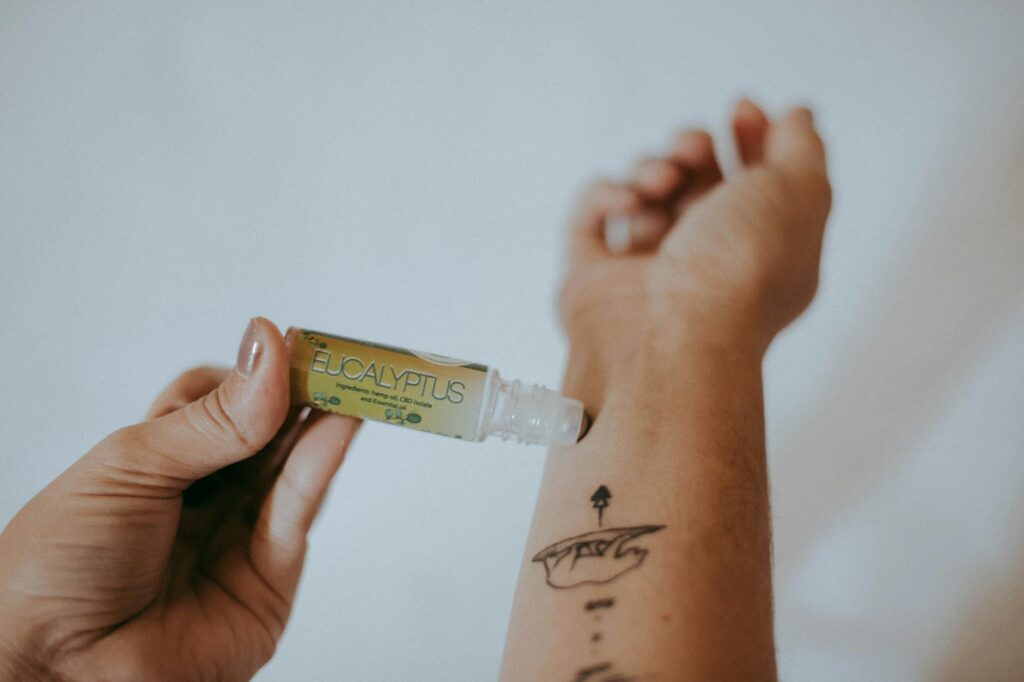
How Marula Oil Is Used in Aromatherapy
Introduction
Aromatherapy, the practice of using aromatic plant extracts for therapeutic benefits, has gained popularity in recent years. Essential oils have been at the forefront of this holistic approach to wellness, and among these oils is marula oil. Derived from the nuts of the marula tree (Sclerocarya birrea), which is native to Africa, marula oil is celebrated for its nourishing properties and rich composition. This article explores the characteristics, benefits, applications, and safety considerations of marula oil in the realm of aromatherapy.
What Is Marula Oil?
Marula oil is extracted from the seeds of the marula fruit, which is produced by the marula tree. This tree thrives in the wild, particularly in Southern Africa, where it has been a vital resource for local communities for centuries. The oil is typically cold-pressed to retain its natural properties, resulting in a light, non-greasy oil that is easily absorbed by the skin. Its composition is rich in unsaturated fatty acids, antioxidants, and vitamins, making it a valuable ingredient in both cosmetic and therapeutic applications.
Key Benefits and Properties
Marula oil boasts several beneficial properties, which contribute to its popularity in aromatherapy and skincare:
1. Moisturizing: The high content of oleic acid and linoleic acid makes marula oil an excellent moisturizer. It penetrates the skin easily, providing hydration without clogging pores.
2. Antioxidant-Rich: Marula oil is rich in vitamins C and E, both of which are powerful antioxidants. These compounds help neutralize free radicals and protect the skin from environmental stressors.
3. Anti-Inflammatory: The oil contains compounds that may help reduce inflammation, making it a soothing choice for irritated or sensitive skin.
4. Antimicrobial Properties: Preliminary studies suggest that marula oil may possess antimicrobial properties, which can be beneficial for maintaining skin health.
5. Nutrient-Rich: Besides fatty acids and vitamins, marula oil also contains minerals such as magnesium, calcium, and phosphorus, contributing to its overall nourishing profile.
Common Uses
Marula oil is versatile and can be used in a variety of applications:
- Skincare: Its moisturizing and antioxidant properties make it popular in lotions, serums, and creams.
- Haircare: Marula oil can be used as a hair treatment to enhance shine, reduce frizz, and nourish dry or damaged hair.
- Massage: The oil serves as an excellent carrier oil for essential oils and can be used in massage therapies.
- Cooking: While not a primary use in aromatherapy, marula oil is also edible and can be used in culinary applications, especially in African cuisine.
- Patch Test: Always conduct a patch test before applying marula oil to a large area of skin to check for any allergic reactions or sensitivities.
- Dilution: As with any carrier oil, marula oil should be properly diluted when used in conjunction with essential oils. A general guideline is to use 1-2 drops of essential oil per teaspoon of carrier oil.
- Pregnancy and Nursing: While marula oil is generally considered safe, it is advisable for pregnant or nursing individuals to consult with a healthcare professional before use.
- Storage: Store marula oil in a cool, dark place to preserve its quality and prevent it from becoming rancid.
- Container: Use dark glass bottles to protect the oil from light, which can degrade its quality over time.
- Temperature: Store in a cool environment, ideally below 25°C (77°F), to prevent oxidation and maintain its beneficial properties.
- Shelf Life: When stored correctly, marula oil can last for approximately 12 to 24 months. Always check for any changes in smell, color, or consistency before use, as these can indicate spoilage.
Aromatherapy Applications
In aromatherapy, marula oil can be used in various ways to promote relaxation and well-being:
1. Carrier Oil: Due to its light texture, marula oil is an ideal carrier oil for diluting essential oils. It can be blended with other oils to create personalized aromatherapy blends for massage or topical application.
2. Diffuser Blends: While marula oil itself may not have a strong aromatic profile, it can be combined with more fragrant essential oils like lavender, bergamot, or frankincense in a diffuser to create a calming atmosphere.
3. Bath Soaks: Adding marula oil to bath water can enhance the bathing experience by moisturizing the skin and providing a soothing effect. When blended with essential oils such as eucalyptus or chamomile, it can create a relaxing spa-like environment.
4. Skincare Routines: Incorporating marula oil into skincare routines can enhance the benefits of other essential oils. It can be used as a base in facial serums or combined with oils known for their therapeutic properties.
5. Inhalation: While marula oil is not typically used for its aroma, inhaling its subtle, nutty scent can provide a grounding effect when blended with more aromatic oils.
Safety Considerations
When using marula oil in aromatherapy, it is important to follow certain safety guidelines:
Storage and Shelf Life
To ensure the longevity of marula oil, proper storage is essential:
Frequently Asked Questions
1. Can marula oil be used on all skin types?
Yes, marula oil is generally suitable for all skin types, including dry, oily, and sensitive skin. Its lightweight texture absorbs easily, making it a good option for various skincare needs.
2. Is marula oil safe for children?
While marula oil is considered safe for children, it is advisable to consult a healthcare professional before using it on young children or infants.
3. How does marula oil compare to other carrier oils?
Marula oil is lighter and absorbs more quickly than some other carrier oils, such as coconut or olive oil. It provides a unique blend of nutrients and is particularly favored for its moisturizing properties.
4. Can marula oil be ingested?
While marula oil is edible, it is essential to ensure that the oil is food-grade and sourced from reputable suppliers. It is best to consult with a healthcare professional before incorporating any new oil into your diet.
5. What essential oils blend well with marula oil?
Marula oil can be blended with various essential oils, including lavender, rose, tea tree, and geranium. The choice of essential oils will depend on the intended therapeutic effect.
Conclusion
Marula oil is a remarkable oil with a long history of use in traditional cultures. Its unique properties make it a valuable addition to the field of aromatherapy. By understanding its benefits, applications, and safety considerations, individuals can effectively incorporate marula oil into their wellness routines, enhancing both physical and emotional well-being. As with any aromatic ingredient, it is essential to approach its use mindfully and respectfully, ensuring a holistic and enjoyable experience.