
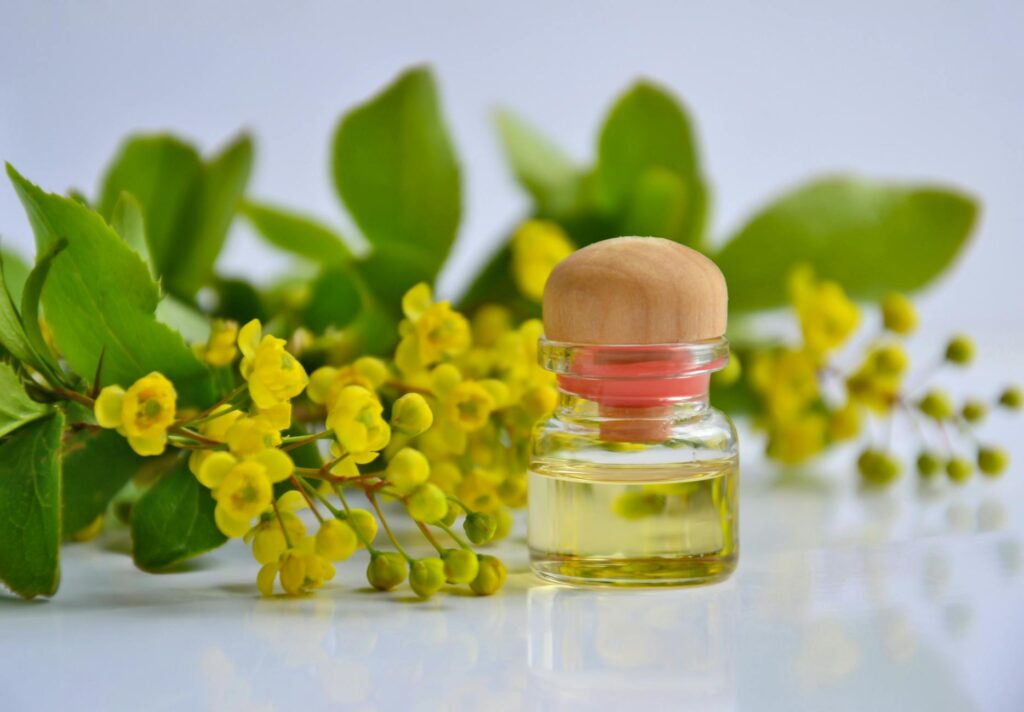
How Moringa Oil Is Used in Aromatherapy
Introduction
Aromatherapy is a holistic practice that utilizes the natural scents of essential oils to promote wellness and enhance physical and emotional health. Among the myriad of essential oils available, moringa oil has gained attention for its potential benefits and versatility. This article delves into moringa oil, exploring its properties, applications in aromatherapy, and considerations for safe use.
What Is Moringa Oil?
Moringa oil, also known as ben oil, is extracted from the seeds of the Moringa oleifera tree, native to parts of Africa and Asia. The oil is cold-pressed, preserving its beneficial properties and unique composition. Moringa is often referred to as a “superfood” due to its nutrient density, containing vitamins, minerals, and antioxidants. In aromatherapy, its oil is valued not just for its scent but also for its skin-nourishing and health-promoting qualities.
Key Benefits and Properties
Moringa oil is rich in fatty acids, particularly oleic acid, which accounts for approximately 70% of its composition. This monounsaturated fatty acid is known for its ability to penetrate the skin easily, providing hydration and nourishment. Other key components include:
- Vitamins: Moringa oil is rich in vitamins A, C, and E, which are known for their antioxidant properties and benefits for skin health.
- Minerals: It contains essential minerals such as calcium, potassium, and iron.
- Antioxidants: The presence of antioxidants helps combat oxidative stress and supports overall skin health.
- Skincare: Due to its moisturizing properties, it is often included in lotions, creams, and serums.
- Haircare: Moringa oil can nourish and strengthen hair, making it a popular ingredient in shampoos and conditioners.
- Massage: Its lightweight texture allows it to be used as a carrier oil for essential oils during massage therapy.
- Pulse Points: Applying diluted blends to pulse points can promote relaxation and emotional balance.
- Massage: Moringa oil can enhance the benefits of massage, providing both nourishment for the skin and relaxation for the body.
- Patch Test: Before applying moringa oil or any blend containing it to a larger area of the skin, perform a patch test to check for sensitivity or allergic reactions.
- Dilution: Essential oils should always be diluted in a carrier oil like moringa oil before application to the skin. A common ratio is 2-3 drops of essential oil per teaspoon of carrier oil.
- Consultation: If you are pregnant, nursing, or have any existing health conditions, it is advisable to consult a healthcare professional before using essential oils or new oils.
- Cool, Dark Place: Store moringa oil in a cool, dark place to prevent it from oxidizing. Exposure to light and heat can degrade the oil’s quality over time.
- Tightly Sealed Container: Always keep the oil in a tightly sealed container to minimize exposure to air and moisture.
- Shelf Life: Moringa oil typically has a shelf life of about 12 to 24 months when properly stored. Check for any changes in color, odor, or consistency before use.
These properties make moringa oil not only beneficial for topical applications but also a useful addition to aromatherapy practices.
Common Uses
Moringa oil is used in various applications, including:
In aromatherapy, moringa oil is appreciated for its ability to complement other essential oils while also standing out for its unique benefits.
Aromatherapy Applications
In aromatherapy, moringa oil is often used as a carrier oil to dilute essential oils before application. This practice allows for safe topical use while enhancing the therapeutic effects of essential oils. Here are some common applications of moringa oil in aromatherapy:
1. As a Carrier Oil
Moringa oil serves as an excellent carrier oil due to its light texture and skin-penetrating properties. When mixed with essential oils such as lavender, eucalyptus, or tea tree, it can help deliver the benefits of these oils more effectively.
2. Diffusion
While moringa oil is not typically used alone in a diffuser, it can be blended with other essential oils to create customized aromatic experiences. Its subtle, nutty scent can enhance blends without overwhelming other fragrances.
3. Topical Applications
Moringa oil can be applied directly to the skin, either alone or mixed with essential oils. Its moisturizing properties make it suitable for dry or sensitive skin. Common areas for application include:
4. Bath Soaks
Adding moringa oil to a warm bath can create a luxurious experience. When mixed with essential oils, it can enhance relaxation and help soothe sore muscles.
Safety Considerations
While moringa oil is generally considered safe for topical use, there are a few precautions to keep in mind:
Storage and Shelf Life
To maintain the quality and efficacy of moringa oil, proper storage is essential:
Frequently Asked Questions
1. Can moringa oil be used on all skin types?
Moringa oil is generally suitable for all skin types, including sensitive skin. However, it is always advisable to perform a patch test before widespread use.
2. Is moringa oil comedogenic?
Moringa oil has a low comedogenic rating, which means it is unlikely to clog pores. This makes it a good choice for those with oily or acne-prone skin.
3. How can I incorporate moringa oil into my daily routine?
Moringa oil can be used as a facial moisturizer, added to hair care products, or used in massage blends. Its versatility allows for easy incorporation into various daily routines.
4. Can moringa oil be ingested?
While moringa oil is safe for topical use, it is not commonly recommended for ingestion. Always consult a healthcare professional for advice on consumption.
5. What essential oils pair well with moringa oil?
Moringa oil can be blended with a variety of essential oils, including lavender, chamomile, eucalyptus, and tea tree oil. These combinations can enhance the overall therapeutic benefits.
Conclusion
Moringa oil is a valuable addition to the world of aromatherapy, offering a unique combination of nourishing properties and versatility. With its rich composition and potential benefits, it can enhance both physical and emotional well-being when used appropriately. As with any essential oil or carrier oil, understanding how to use moringa oil safely and effectively will maximize its benefits and enrich your aromatherapy experience.