
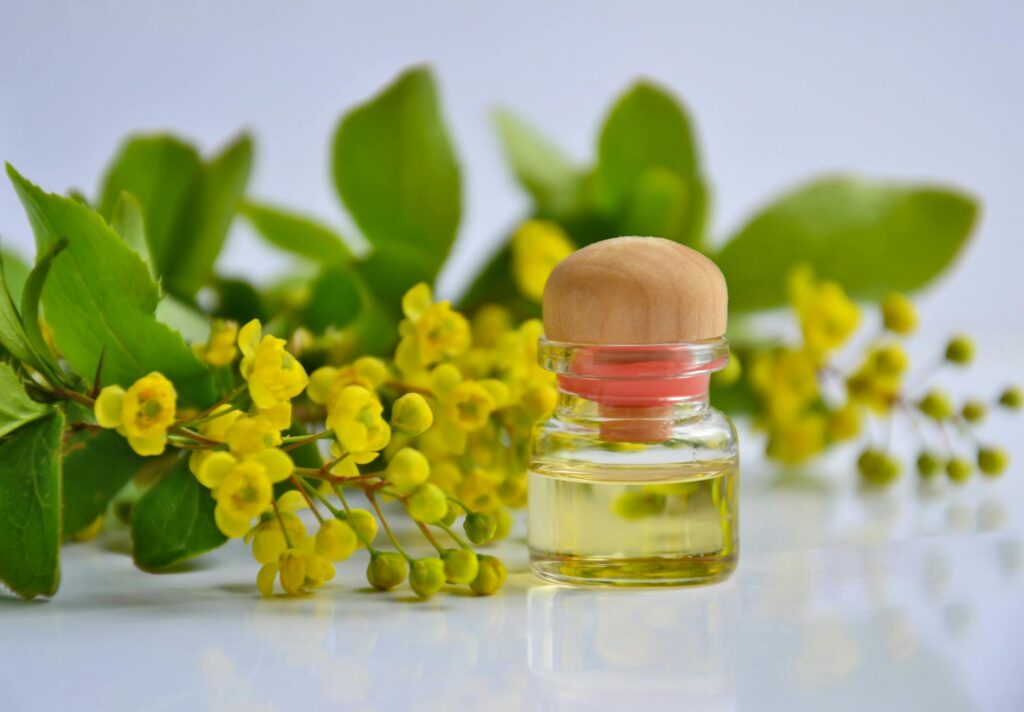
How Myrrh Oil Is Used in Aromatherapy
Introduction
Myrrh oil, derived from the resin of the Commiphora myrrha tree, has been utilized for centuries in various cultural and medicinal practices. Its rich aromatic profile and numerous therapeutic properties make it a valued essential oil in the field of aromatherapy. This article explores the origins, benefits, and applications of myrrh oil, providing a comprehensive overview for those interested in incorporating it into their aromatherapy practice.
What Is Myrrh Oil?
Myrrh oil is an essential oil extracted from the resin of the myrrh tree, which is native to regions in the Middle East and northeastern Africa. The extraction process typically involves steam distillation or solvent extraction of the resin. Myrrh has a warm, earthy scent, often described as slightly bitter and woody. Its historical significance cannot be overstated; it was used in ancient Egypt for embalming, in religious rituals, and as a fragrance.
The primary chemical components of myrrh oil include sesquiterpenes, monoterpenes, and various other compounds that contribute to its unique aroma and therapeutic properties. These constituents make myrrh oil a complex and intriguing oil, offering a variety of benefits.
Key Benefits and Properties
Myrrh oil is renowned for its diverse range of properties, which include:
1. Antiseptic: Myrrh is known for its ability to inhibit the growth of bacteria and fungi, making it a popular choice for cleansing and purifying environments.
2. Anti-inflammatory: The oil is believed to help reduce inflammation, making it beneficial for soothing irritated skin and tissues.
3. Astringent: Myrrh has a tightening effect on tissues, which can support the skin and mucous membranes.
4. Emollient: It is often used in skincare formulations for its moisturizing and soothing properties.
5. Sedative: The calming aroma of myrrh oil is thought to help ease anxiety and promote relaxation, making it a popular choice in stress relief blends.
6. Expectorant: It may aid respiratory health by promoting the expulsion of mucus, supporting clearer airways.
These properties contribute to myrrh oil’s versatility in aromatherapy and personal care applications.
Common Uses
Myrrh oil is commonly used in various applications, including:
- Skincare: It is often found in creams and ointments for its soothing and moisturizing effects on the skin. Myrrh oil is sometimes added to formulations for conditions such as dry skin, minor cuts, and abrasions.
- Fragrance: Its distinct scent makes it a popular choice in perfumes and incense, often used in spiritual or meditative practices.
- Massage: Due to its anti-inflammatory properties, myrrh oil can be included in massage blends to soothe sore muscles and promote relaxation.
- Oral Care: Historically, myrrh has been used in mouthwashes and toothpaste for its antiseptic properties, contributing to oral hygiene.
- Dilution: Myrrh oil should always be diluted with a carrier oil before topical application to prevent skin irritation or sensitization.
- Pregnancy and Nursing: Pregnant or nursing individuals should consult with a qualified professional before using myrrh oil, as it is not recommended for use during pregnancy.
- Allergic Reactions: As with any essential oil, a patch test is advisable for first-time users to check for potential allergic reactions.
- Medical Conditions: Individuals with specific medical conditions or those taking medications should seek advice from a qualified practitioner before using myrrh oil.
- Children: Special care should be taken when using essential oils around children, and it is often advised to avoid use in young children unless under the guidance of a healthcare professional.
- Container: Store myrrh oil in a dark glass bottle to protect it from light and degradation.
- Location: Keep the oil in a cool, dry place away from direct sunlight and heat sources.
- Shelf Life: When stored correctly, myrrh oil can last for several years; however, it is advisable to check for any changes in aroma or consistency before use.
Aromatherapy Applications
In aromatherapy, myrrh oil can be employed in several ways:
1. Diffusion: When used in a diffuser, myrrh oil can create a calming atmosphere, promoting relaxation and reducing stress. Its grounding scent can enhance meditation practices and spiritual rituals.
2. Topical Application: Myrrh oil should be diluted with a carrier oil before applying it to the skin. This can be especially beneficial for those looking to alleviate skin irritations or include it in a massage blend.
3. Inhalation: Inhalation of myrrh oil directly from the bottle or through steam inhalation can provide quick relief for anxiety and stress, as well as support respiratory health.
4. Bathing: Adding myrrh oil to bathwater can create a soothing and aromatic experience, promoting relaxation and enhancing overall well-being.
5. Custom Blends: Myrrh oil can be blended with other essential oils, such as frankincense or lavender, to create personalized formulations that target specific moods or physical ailments.
Safety Considerations
While myrrh oil is generally regarded as safe when used appropriately, there are several safety considerations to keep in mind:
Storage and Shelf Life
To maintain the quality of myrrh oil, proper storage is essential:
Frequently Asked Questions
1. Can myrrh oil be used in cooking?
No, myrrh oil is not intended for culinary use. It is specifically formulated for aromatherapy and topical applications.
2. How can I incorporate myrrh oil into my skincare routine?
Myrrh oil can be added to creams, lotions, or carrier oils for localized application to the skin. Always dilute it properly before use.
3. Is myrrh oil safe for everyone?
While myrrh oil is generally safe, it is advisable to consult with a healthcare professional before using it, particularly for pregnant individuals, nursing mothers, or those with certain medical conditions.
4. Can I mix myrrh oil with other essential oils?
Yes, myrrh oil blends well with many other essential oils, including frankincense, lavender, and sandalwood, enhancing the therapeutic benefits of the combination.
5. Where can I purchase high-quality myrrh oil?
High-quality myrrh oil can be found at health food stores, specialty aromatherapy shops, or reputable online retailers. Always look for oils that are labeled as pure and therapeutic-grade.
Conclusion
Myrrh oil is a multifaceted essential oil with a rich history and a wide array of applications in aromatherapy. Its unique properties make it a valuable addition to any aromatherapy toolkit, offering benefits for both emotional and physical well-being. By understanding its uses, benefits, and safety considerations, individuals can effectively incorporate myrrh oil into their holistic practices, enhancing their overall quality of life. Whether used for relaxation, skincare, or spiritual enhancement, myrrh oil continues to be a cherished component of aromatherapy.