
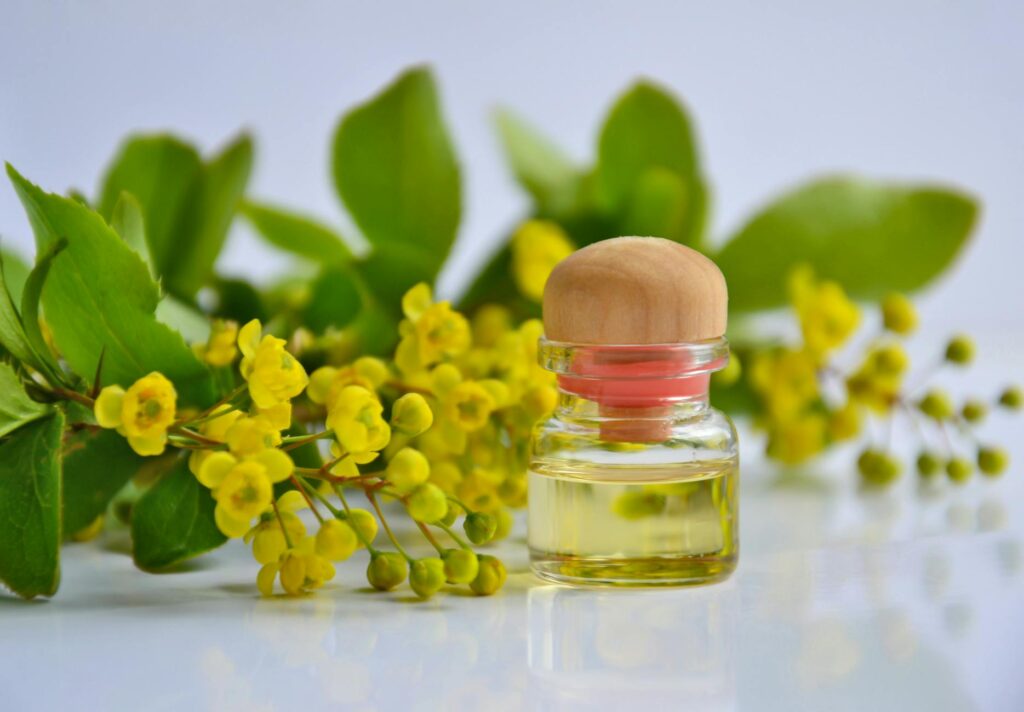
How Native Medicinal Plants Are Used in Aromatherapy
Introduction
Aromatherapy, an ancient practice that harnesses the aromatic properties of essential oils derived from plants, has gained significant popularity in contemporary wellness culture. A crucial component of this practice is the use of native medicinal plants—flora that has traditionally been used by indigenous cultures for their therapeutic properties. This article delves into the fascinating world of native medicinal plants and their role in aromatherapy, exploring their benefits, applications, and safety considerations.
What Are Native Medicinal Plants?
Native medicinal plants refer to species that are indigenous to a particular region and have been used for centuries by local communities for their healing properties. These plants often hold cultural significance and are integral to traditional medicine practices. They are characterized by their adaptive qualities to the local environment, which can enhance their efficacy in promoting health and well-being.
Examples of native medicinal plants include:
- Eucalyptus: Known for its decongestant properties, it is native to Australia.
- Lavender: Widely recognized for its calming effects, it originates from the Mediterranean region.
- Sage: Used for purification and healing, sage is native to various parts of Europe and North America.
- Peppermint: Known for its digestive benefits, peppermint is native to Europe and North America.
- Antimicrobial: Many native plants, such as tea tree and eucalyptus, exhibit antimicrobial properties, helping to combat various pathogens.
- Relaxation and Stress Relief: Plants like lavender and chamomile are renowned for their calming effects, making them popular choices for reducing anxiety and promoting restful sleep.
- Pain Relief: Essential oils from plants like peppermint and wintergreen can provide relief from headaches and muscle pain.
- Respiratory Support: Eucalyptus and pine oils are often used to support respiratory health and clear congestion.
- Mood Enhancement: Citrus oils, derived from native trees like orange and lemon, can uplift mood and reduce feelings of sadness.
- Application: Diffused for relaxation, added to bathwater for stress relief, or used in massage blends to promote calmness.
- Benefits: Reduces anxiety, enhances sleep quality, and promotes relaxation.
- Application: Often used in steam inhalation for respiratory support or diffused to clear airways.
- Benefits: Antimicrobial properties and respiratory support.
- Application: Used in topical blends for headaches or muscle pain relief, and diffused for an energizing effect.
- Benefits: Stimulates alertness, aids digestion, and provides cooling relief.
- Application: Commonly used in skincare blends for its anti-acne properties and in diffusers for its antimicrobial effects.
- Benefits: Antiseptic and antifungal properties.
- Application: Used in meditation practices and skincare routines.
- Benefits: Promotes emotional balance and skin rejuvenation.
- Dilution: Essential oils are highly concentrated and should always be diluted with a carrier oil before topical application to prevent skin irritation.
- Allergies: Conduct a patch test before using a new essential oil to check for allergic reactions.
- Pregnancy and Nursing: Some essential oils may not be safe for pregnant or nursing individuals, so it is advisable to consult with a qualified practitioner.
- Children and Pets: Use caution when applying essential oils around children and pets, as some oils may be toxic to them.
- Quality: Ensure that you are using high-quality essential oils from reputable sources to avoid adulterated products.
- Containers: Store essential oils in dark glass bottles to protect them from light, which can degrade their quality.
- Temperature: Keep oils in a cool, dry place, away from heat sources and direct sunlight.
- Shelf Life: While most essential oils have a shelf life of 1 to 3 years, citrus oils tend to have a shorter shelf life. Always check for signs of degradation, such as changes in color or scent.
These plants are extracted to produce essential oils, which are the concentrated aromatic compounds that give them their distinctive scents and properties.
Key Benefits and Properties
Native medicinal plants possess a variety of beneficial properties that are harnessed in aromatherapy. Some of these benefits include:
The chemical composition of these essential oils contributes to their therapeutic effects, often ranging from monoterpenes to sesquiterpenes, each playing a role in their medicinal properties.
Common Uses
The uses of native medicinal plants in aromatherapy are diverse and extend beyond mere fragrance; they are often employed in various forms:
1. Diffusion: Essential oils can be diffused in the air using a diffuser, allowing the aromatic compounds to be inhaled. This method is effective for creating a calming atmosphere and promoting emotional well-being.
2. Topical Application: When diluted in a carrier oil, essential oils can be applied to the skin for localized benefits, such as alleviating muscle tension or enhancing skin health.
3. Bathing: Adding essential oils to bathwater can create a soothing and aromatic experience, ideal for relaxation and stress relief.
4. Inhalation: Directly inhaling essential oils from the bottle or using steam inhalation can provide immediate respiratory relief or emotional support.
5. Massage: Integrating essential oils into massage therapy can enhance the experience, providing both physical and emotional benefits.
Aromatherapy Applications
The applications of native medicinal plants in aromatherapy are numerous and can be tailored to suit individual needs. Here are some popular native plants and their typical applications:
1. Lavender (Lavandula angustifolia)
2. Eucalyptus (Eucalyptus globulus)
3. Peppermint (Mentha × piperita)
4. Tea Tree (Melaleuca alternifolia)
5. Frankincense (Boswellia carterii)
Safety Considerations
While native medicinal plants offer numerous benefits, it is essential to approach their use with caution. Here are some safety considerations to keep in mind:
Storage and Shelf Life
Proper storage of essential oils is vital to maintain their potency and effectiveness. Here are some guidelines for storage:
Frequently Asked Questions
1. Can I ingest essential oils?
Ingesting essential oils is not generally recommended unless under the guidance of a qualified professional. Many essential oils can be toxic when ingested.
2. How do I choose the right essential oil for my needs?
Consider your specific needs or concerns (e.g., relaxation, respiratory support) and research the properties of various essential oils. It’s also beneficial to consult with an aromatherapy practitioner.
3. Can I use essential oils if I have sensitive skin?
If you have sensitive skin, it is crucial to conduct a patch test before applying essential oils topically. Diluting the oils with a carrier oil can also reduce the risk of irritation.
4. Where can I purchase high-quality essential oils?
Look for reputable suppliers that provide detailed information about their sourcing and extraction methods. Organic and wildcrafted oils are often of higher quality.
5. How can I incorporate essential oils into my daily routine?
You can diffuse oils while working or relaxing, add them to your bath, use them in skincare, or apply them during massage therapy.
—
In summary, native medicinal plants play a significant role in the practice of aromatherapy, offering a multitude of benefits derived from their rich chemical properties. By understanding their uses, applications, and safety considerations, individuals can effectively incorporate these aromatic treasures into their wellness routines. Whether you seek relaxation, emotional balance, or physical relief, the world of native medicinal plants offers a diverse palette of options to enhance your well-being.