
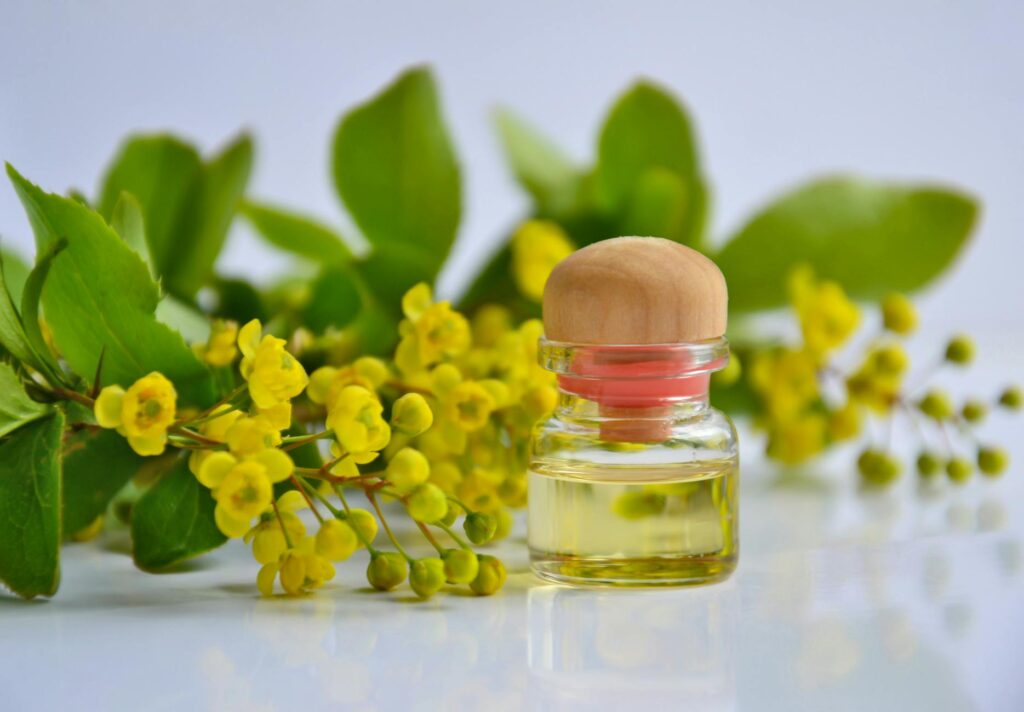
How Neem Oil Is Used in Aromatherapy
Introduction
Aromatherapy, the practice of using essential oils and plant extracts for therapeutic benefits, has gained popularity worldwide for its holistic approach to wellness. Among the numerous essential oils used in this ancient practice, neem oil stands out due to its unique properties and versatility. This article explores neem oil, its benefits, applications in aromatherapy, safety considerations, and more.
What Is Neem Oil?
Neem oil is derived from the seeds of the neem tree (Azadirachta indica), a species native to the Indian subcontinent. Known for its resilience and adaptability, the neem tree thrives in various climates and is often referred to as the “village pharmacy” due to its extensive medicinal uses. The oil is extracted through cold-pressing or solvent extraction and is characterized by its strong, pungent aroma, which can be off-putting to some.
Neem oil is rich in bioactive compounds, including azadirachtin, nimbidin, and fatty acids, which contribute to its wide range of applications in skincare, pest control, and traditional medicine. In the realm of aromatherapy, neem oil is valued for its unique therapeutic properties.
Key Benefits and Properties
Neem oil possesses a variety of beneficial properties that contribute to its popularity in aromatherapy:
1. Antimicrobial Properties
Neem oil is known for its broad-spectrum antimicrobial effects, making it effective against bacteria, fungi, and viruses. This property may help in creating a more hygienic environment when used in diffusers or blended in topical applications.
2. Anti-inflammatory Effects
The anti-inflammatory nature of neem oil can help soothe irritated skin and reduce inflammation. This makes it a valuable addition to blends aimed at promoting relaxation and relief from discomfort.
3. Skin-Soothing Qualities
Neem oil is often used in skincare formulations due to its moisturizing and soothing properties. It may help alleviate conditions like dryness, eczema, and acne, making it a popular choice for therapeutic massages and topical applications.
4. Insect Repellent
The strong scent of neem oil acts as a natural insect repellent, which can be beneficial when used in living spaces or outdoor environments. It can help create a serene atmosphere free from bothersome pests.
5. Adaptogenic Properties
Some studies suggest that neem oil may have adaptogenic qualities, helping the body adapt to stress. This can enhance the overall effectiveness of aromatherapy practices that focus on stress relief and emotional well-being.
Common Uses
Neem oil’s unique properties lend themselves to various applications:
- Skincare: Used in creams, lotions, and soaps for its moisturizing and rejuvenating effects.
- Hair care: Incorporated in shampoos and conditioners to promote scalp health and combat dandruff.
- Household products: Added to natural cleaning solutions and insect repellents.
- Traditional medicine: Employed in Ayurvedic practices for its health benefits.
- Dilution: Neem oil should always be diluted with a carrier oil before topical application to prevent skin irritation.
- Patch Test: Conduct a patch test on a small area of skin to check for allergic reactions or sensitivities before widespread use.
- Pregnancy and Nursing: Pregnant or nursing individuals should consult a healthcare professional before using neem oil.
- Children: Avoid using neem oil on children under two years of age unless directed by a healthcare provider.
- Essential Oil Interactions: As with any essential oil, consider how neem oil might interact with other oils, medications, and health conditions.
- Cool, Dark Place: Store neem oil in a cool, dark place away from direct sunlight to prevent degradation.
- Seal Properly: Ensure the bottle is sealed tightly after use to minimize oxidation and contamination.
- Shelf Life: Neem oil has a shelf life of approximately 1-2 years, depending on the method of extraction and storage conditions. Check for rancidity or a change in aroma before use.
In aromatherapy, neem oil can be an integral part of creating calming atmospheres, enhancing mood, and promoting overall well-being.
Aromatherapy Applications
1. Diffusion
Neem oil can be added to a diffuser, either alone or in combination with other essential oils, to purify the air and create a calming environment. The oil’s strong scent may be blended with more fragrant oils like lavender, eucalyptus, or citrus oils to create a balanced aroma.
2. Massage
When diluted with a carrier oil (such as sweet almond or jojoba oil), neem oil can be used in massages to promote relaxation and soothe muscle tension. Its anti-inflammatory properties can enhance the benefits of massage therapy.
3. Bathing
A few drops of neem oil can be added to bathwater, providing a soothing experience while benefiting the skin. This method can help alleviate skin irritations and promote relaxation after a long day.
4. Skin Treatments
In aromatherapy blends aimed at skincare, neem oil can be mixed with other oils like tea tree or lavender for its combined effects on acne or irritation. Always ensure proper dilution to avoid skin sensitivity.
5. Insect Repellent Blends
Neem oil can be combined with other essential oils known for their insect-repelling properties, such as citronella or lemongrass, to create a natural insect repellent for outdoor use.
Safety Considerations
While neem oil has many benefits, it is essential to use it with caution:
Storage and Shelf Life
Proper storage is crucial to maintaining the quality of neem oil:
Frequently Asked Questions
1. Can neem oil be ingested?
Neem oil is primarily intended for external use. Ingesting neem oil can lead to adverse reactions and should be avoided unless under the supervision of a healthcare professional.
2. Is neem oil safe for all skin types?
While neem oil is generally safe for most skin types, it may cause irritation for those with sensitive skin. Always dilute and perform a patch test.
3. How does neem oil compare to other essential oils?
Neem oil has unique properties that distinguish it from many other essential oils. Its strong scent and potent antimicrobial effects set it apart, making it a valuable addition to specialty blends.
4. Can neem oil help with stress and anxiety?
Due to its adaptogenic properties, neem oil may assist in stress relief when used in aromatherapy practices. However, individual experiences may vary.
5. Where can I purchase high-quality neem oil?
Look for reputable suppliers that offer pure, cold-pressed neem oil. Always check for third-party testing or certifications to ensure product quality.
Conclusion
Neem oil is a remarkable addition to the world of aromatherapy, offering a range of benefits from antimicrobial properties to skin-soothing qualities. Its versatility allows for various applications, from diffusion to skincare. However, it is essential to use neem oil responsibly and with caution. By understanding its properties and applications, individuals can harness the power of neem oil to enhance their aromatherapy practices and promote overall well-being.