
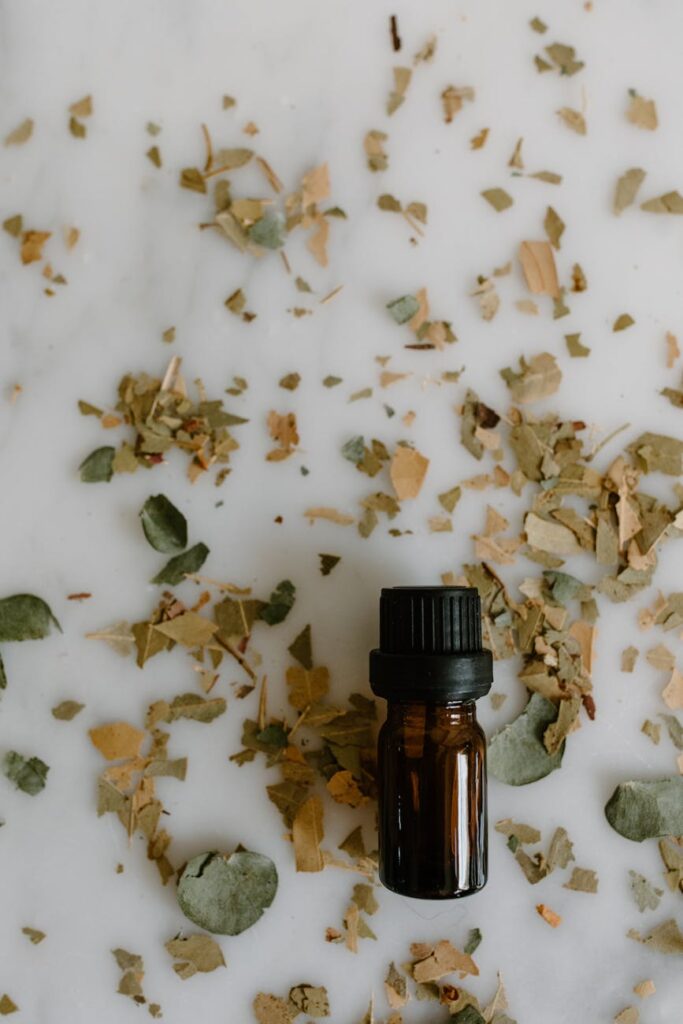
How Pecan Oil Is Used in Aromatherapy
Introduction
Aromatherapy is a holistic approach to wellness that employs essential oils and other aromatic compounds to promote physical and emotional well-being. While many essential oils are commonly recognized for their therapeutic benefits, carrier oils play a crucial role in diluting these concentrated substances and enhancing their effectiveness. One such carrier oil that has gained attention in recent years is pecan oil. This article delves into the characteristics, benefits, and applications of pecan oil in the realm of aromatherapy.
What Is Pecan Oil?
Pecan oil is extracted from the nuts of the pecan tree (Carya illinoinensis), a species native to North America. The extraction process generally involves cold-pressing the nuts to retain their natural properties. Rich in fatty acids, vitamins, and antioxidants, pecan oil is often used in culinary applications, skincare, and, increasingly, in aromatherapy.
The oil has a light texture and a mild, nutty aroma, making it an appealing choice for blending with essential oils. Its unique composition not only allows it to serve as an effective carrier oil but also adds its own beneficial properties to aromatherapy formulations.
Key Benefits and Properties
Pecan oil boasts an array of beneficial properties that make it suitable for various applications in aromatherapy:
Nutrient-Rich Composition
Pecan oil is high in unsaturated fatty acids, particularly oleic and linoleic acids. These fatty acids are known for their moisturizing properties, making the oil an excellent choice for skin applications. Additionally, pecan oil contains vitamins A and E, both of which are powerful antioxidants that help combat oxidative stress.
Anti-Inflammatory Properties
Though not extensively studied in the context of aromatherapy, pecan oil is thought to possess anti-inflammatory properties due to its rich fatty acid profile. This characteristic may enhance the therapeutic effects of essential oils when used in combination.
Skin Benefits
The moisturizing properties of pecan oil make it beneficial for skin health. It is often used in formulations aimed at soothing dry or irritated skin. Its emollient nature can help to lock in moisture, making it an effective base for various skincare blends.
Aromatic Qualities
Pecan oil has a subtle, nutty scent that can complement a variety of essential oils. Its mild aroma allows it to serve as a base that does not overpower other fragrances, making it a versatile addition to aromatic blends.
Common Uses
Pecan oil’s versatility extends to various applications beyond aromatherapy:
Culinary Uses
Pecan oil is often used in cooking and baking. Its high smoke point makes it suitable for sautéing and frying, while its nutty flavor enhances dressings and marinades.
Skincare
Pecan oil is commonly found in lotions, creams, and other skincare products. Its moisturizing properties make it an effective ingredient for promoting skin hydration and elasticity.
Hair Care
Due to its nourishing qualities, pecan oil is sometimes used in hair care products to promote shine and manageability. It can help to reduce frizz and enhance the overall health of the hair.
Aromatherapy Applications
In aromatherapy, pecan oil is primarily used as a carrier oil. When blended with essential oils, it helps to dilute their potency, making them safer for topical application. Here are some common applications:
Massage Oil
Pecan oil can be blended with essential oils such as lavender, eucalyptus, or tea tree for massage. The combination not only provides a soothing experience but also allows the therapeutic properties of the essential oils to penetrate the skin more effectively.
Diffusion
While pecan oil is not typically used in diffusers, it can serve as a carrier for essential oils that are added to a diffuser blend. The oil’s mild scent can enhance the overall aromatic experience without overwhelming the senses.
Bath Additive
Pecan oil can be added to bathwater when mixed with essential oils. This creates a hydrating and soothing experience, allowing the user to benefit from both the aromatherapy and skin-nourishing properties of the oil.
Skin Care Formulations
When creating aromatherapy blends for skincare, pecan oil can be combined with essential oils like chamomile or geranium to promote skin health. The oil’s moisturizing qualities can help to enhance the effects of the essential oils used.
Safety Considerations
While pecan oil is generally considered safe for most individuals, some precautions should be taken:
Allergies
Individuals with nut allergies should exercise caution when using pecan oil. It is essential to conduct a patch test before applying the oil to a larger area of the skin.
Dilution
As with all carrier oils, pecan oil should be diluted with essential oils before topical application. A common guideline is to use a dilution ratio of 2-3% for adults, which equates to approximately 12 drops of essential oil per ounce of carrier oil.
Consultation
As with any new oil or product, it is advisable to consult with a qualified professional, particularly if you have existing health conditions or are pregnant or breastfeeding.
Storage and Shelf Life
To maintain the quality of pecan oil, proper storage is essential:
Storage
Pecan oil should be stored in a cool, dark place, away from direct sunlight and heat. It is best to keep the oil in a glass container with a tight-fitting lid to minimize oxidation.
Shelf Life
When properly stored, pecan oil typically has a shelf life of approximately 1 to 2 years. However, it is crucial to check for any signs of rancidity or off odors before use, as this may indicate that the oil has gone bad.
Frequently Asked Questions
Can pecan oil be used for aromatherapy on its own?
While pecan oil has a pleasant aroma, it is primarily used as a carrier oil to dilute essential oils. Its mild scent allows it to enhance blends without overpowering them.
Is pecan oil suitable for all skin types?
Pecan oil is generally well-tolerated by most skin types. However, individuals with nut allergies should avoid using it. A patch test is recommended for those with sensitive skin.
How do I incorporate pecan oil into my aromatherapy routine?
Pecan oil can be blended with essential oils for topical application, used in massage, or added to bathwater. It can also serve as a carrier oil for diffusion blends, although it is not typically used in a diffuser by itself.
Are there any contraindications for using pecan oil?
There are no widely recognized contraindications for pecan oil; however, individuals with nut allergies or those who are pregnant or breastfeeding should consult a healthcare professional prior to use.
Where can I purchase pecan oil for aromatherapy?
Pecan oil can be found in health food stores, specialty oil shops, and online retailers. Always ensure that you are purchasing high-quality, cold-pressed oil for the best results.
Conclusion
Pecan oil presents a unique and beneficial option within the realm of aromatherapy. Its rich nutrient profile and versatile applications make it an excellent carrier oil for blending with essential oils. Whether used in massage, skincare formulations, or bath additives, pecan oil contributes not only to the efficacy of the aromatic experience but also offers its own range of beneficial properties. As with any product, proper usage and storage are essential to maximize its benefits. As interest in natural remedies and holistic health continues to grow, pecan oil may find its place as a staple in aromatherapy practices.