
How Peppermint Oil Is Used in Aromatherapy
Introduction
Aromatherapy, an ancient practice that utilizes essential oils for therapeutic benefits, has gained popularity in modern wellness routines. Among the myriad of essential oils, peppermint oil stands out due to its invigorating scent and numerous applications. This article explores peppermint oil’s characteristics, benefits, uses, and safety guidelines, providing a comprehensive understanding of its role in aromatherapy.
What Is Peppermint Oil?
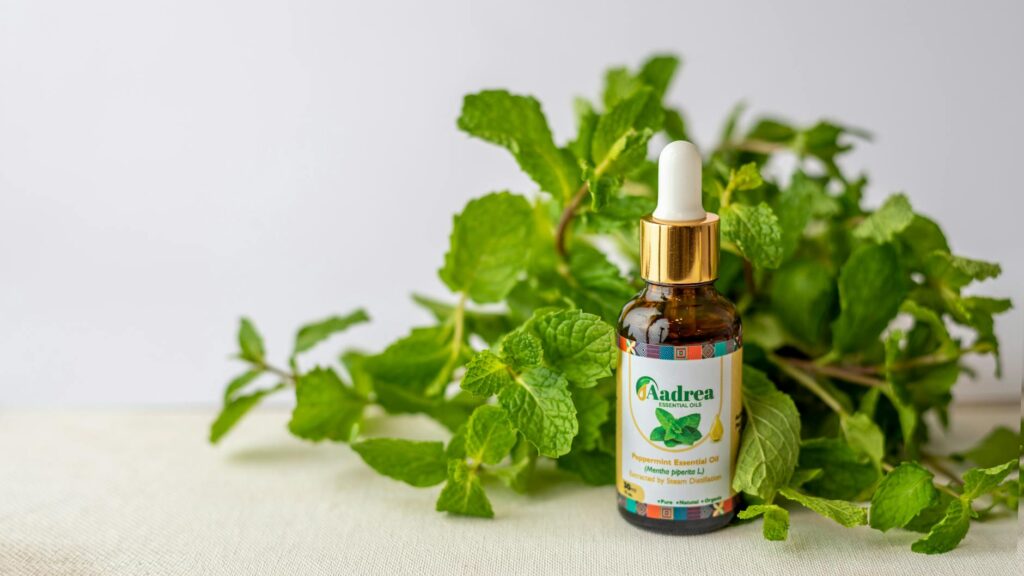
Peppermint oil is an essential oil extracted from the leaves of the peppermint plant, scientifically known as Mentha × piperita. This hybrid plant is a cross between watermint and spearmint, and it is characterized by its distinctive aromatic profile, which is both fresh and cooling. The oil is obtained through steam distillation of the flowering tops and leaves, yielding a concentrated form of the plant’s volatile compounds.
The primary constituents of peppermint oil include menthol, menthone, and various other terpenes and alcohols, which contribute to its unique scent and therapeutic properties. This essential oil is widely recognized for its refreshing aroma, often associated with clarity and revitalization.
Key Benefits and Properties
Peppermint oil possesses several beneficial properties that contribute to its popularity in aromatherapy:
1. Refreshing and Invigorating: The aroma of peppermint oil is known to stimulate the mind and body, providing an instant boost of energy and alertness.
2. Mental Clarity: Many individuals use peppermint oil to enhance concentration and improve mental clarity. The refreshing scent may help alleviate feelings of fatigue and promote focus.
3. Digestive Support: While this article does not provide medical advice, peppermint oil is often associated with digestive comfort and is commonly used in various wellness practices for this reason.
4. Respiratory Relief: The cooling properties of peppermint oil may help ease feelings of congestion and promote clearer breathing.
5. Mood Booster: The uplifting scent of peppermint oil can promote feelings of happiness and well-being, making it a popular choice for stress relief.
Common Uses
Peppermint oil is versatile and can be employed in various ways within aromatherapy. Here are some common applications:
1. Diffusion: One of the most popular methods of using peppermint oil is through diffusion. When added to a diffuser, the oil can fill an entire room with its invigorating aroma, creating a refreshing atmosphere.
2. Topical Application: Peppermint oil can be diluted with a carrier oil and applied topically to specific areas of the body. This method is often used for localized benefits, particularly for muscle tension or discomfort.
3. Inhalation: Inhalation is another effective way to experience the benefits of peppermint oil. Simply placing a few drops on a tissue or cotton ball and inhaling can provide an instant mental boost.
4. Bathing: Adding peppermint oil to bathwater can create an uplifting and refreshing bathing experience. It is advisable to dilute the oil with a carrier oil or a bath emulsifier before adding it to the water.
5. Homemade Products: Peppermint oil can be incorporated into a variety of homemade products, such as candles, soaps, and body scrubs, allowing individuals to enjoy its benefits in their daily routines.
Aromatherapy Applications
The applications of peppermint oil in aromatherapy are vast. Here are some notable practices that utilize this essential oil:
1. Stress Relief: Diffusing peppermint oil during moments of stress can help create a calming environment. Its refreshing scent can diminish feelings of anxiety and promote relaxation.
2. Focus and Concentration: Many people find that inhaling peppermint oil while studying or working can enhance focus and mental clarity. It is often used in workspaces for this purpose.
3. Energy Boosters: Peppermint oil is frequently used during workouts or physical activity to invigorate the senses. Its uplifting aroma can provide an extra burst of energy.
4. Seasonal Support: During times of seasonal discomfort, peppermint oil may be utilized in inhalation practices to support respiratory comfort.
5. Meditation and Mindfulness: Some individuals incorporate peppermint oil into their meditation or mindfulness practices, using its scent to enhance their focus and connection to the present moment.
Safety Considerations
While peppermint oil is generally considered safe for use in aromatherapy, certain precautions should be taken:
1. Dilution: It is crucial to dilute peppermint oil with a carrier oil before applying it to the skin to prevent irritation. Suggested carrier oils include coconut oil, jojoba oil, or sweet almond oil.
2. Allergies and Sensitivities: Individuals should perform a patch test before using peppermint oil topically. Apply a small diluted amount to a discreet area of skin and wait 24 hours to check for any adverse reactions.
3. Not Suitable for Everyone: Pregnant or breastfeeding individuals, as well as young children, should consult a healthcare professional before using peppermint oil.
4. Avoid Ingestion: Peppermint oil is not intended for internal consumption unless under the guidance of a qualified healthcare provider.
5. Phototoxicity: While peppermint oil is not typically phototoxic, it is wise to avoid sun exposure on areas where the oil has been applied topically.
Storage and Shelf Life
Proper storage is essential for maintaining the quality of peppermint oil. Here are some tips for optimal storage:
1. Container: Store peppermint oil in a dark glass bottle, which helps protect it from light and degradation.
2. Temperature: Keep the oil in a cool, dry place away from direct sunlight and heat sources to preserve its potency.
3. Shelf Life: When stored correctly, peppermint oil typically has a shelf life of 3 to 5 years. However, it is advisable to check for any changes in aroma or appearance before use.
Frequently Asked Questions
1. Can peppermint oil help with headaches?
While many individuals report that inhaling peppermint oil can provide a soothing effect and relief from tension headaches, it is essential to note that individual responses may vary.
2. How can I use peppermint oil for a refreshing atmosphere?
Diffusing peppermint oil in a diffuser or placing a few drops on a cotton ball in a room can create a refreshing and invigorating environment.
3. Is peppermint oil safe for children?
Typically, peppermint oil should be used with caution around children. Always dilute it appropriately and consult a healthcare professional if unsure about its use.
4. Can I mix peppermint oil with other essential oils?
Yes, peppermint oil can be blended with other essential oils to create unique and beneficial aromas. Popular combinations include eucalyptus, lavender, and lemon.
5. How can I incorporate peppermint oil into my skincare routine?
Peppermint oil can be added to homemade skincare products, such as scrubs or lotions, but always ensure it is properly diluted with a carrier oil before applying it to the skin.
Conclusion
Peppermint oil is a versatile and widely utilized essential oil in the realm of aromatherapy. With its invigorating scent and numerous applications, it serves as a valuable tool for enhancing well-being and promoting a refreshing atmosphere. By understanding its properties, potential benefits, and safety considerations, individuals can integrate peppermint oil into their aromatherapy practices effectively and enjoy its myriad advantages.