
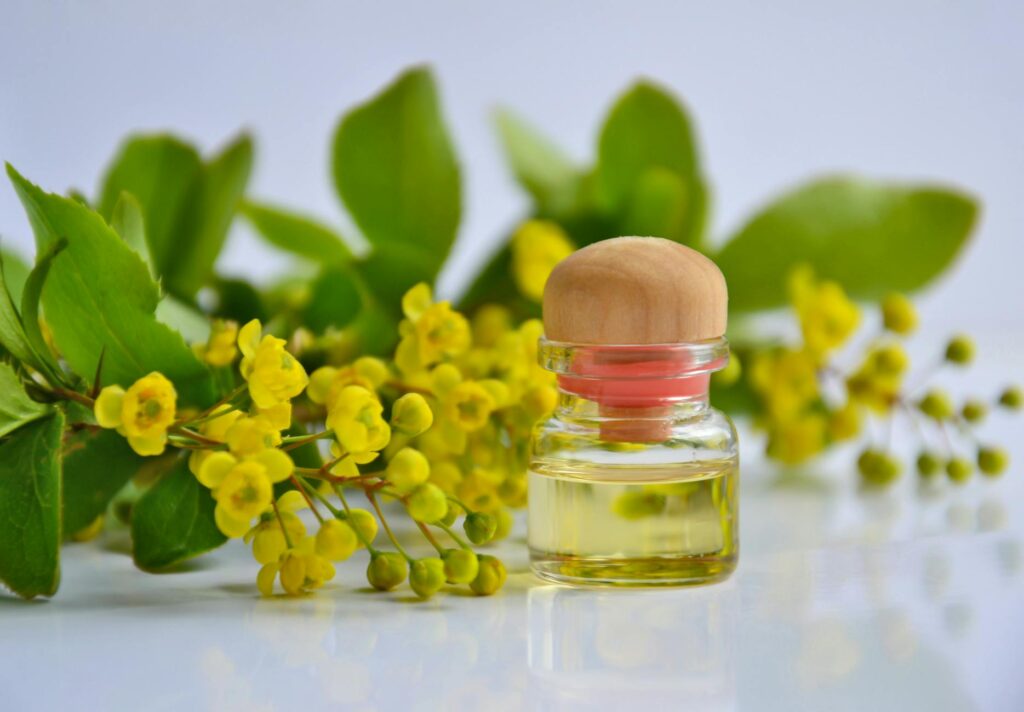
How Poppy Seed Oil Is Used in Aromatherapy
Introduction
Aromatherapy, an ancient practice that utilizes essential oils and plant extracts to enhance physical and emotional well-being, continues to gain popularity in contemporary wellness routines. Among the many oils used in this practice, poppy seed oil stands out for its unique properties and applications. This article delves into the characteristics of poppy seed oil, its benefits, common uses, and its role in aromatherapy, providing a comprehensive overview for enthusiasts and practitioners alike.
What Is Poppy Seed Oil?
Poppy seed oil is derived from the seeds of the opium poppy plant (Papaver somniferum), which is cultivated primarily for its seeds and oil. The oil is extracted through cold-pressing the seeds, resulting in a light, pale yellow oil with a delicate, nutty aroma. While the opium poppy is often associated with its psychoactive compounds, the seeds themselves are non-narcotic and safe for consumption and topical use.
Poppy seed oil is rich in fatty acids, particularly linoleic acid, which is an omega-6 fatty acid, along with oleic acid and palmitic acid. Its nutritional profile makes it a valuable addition not only in culinary applications but also in cosmetic and therapeutic formulations.
Key Benefits and Properties
Poppy seed oil encompasses a variety of beneficial properties that make it appealing for use in aromatherapy:
1. Moisturizing Properties: The oil is highly emollient, making it effective for hydrating and soothing dry skin. Its absorption properties allow it to penetrate the skin easily, providing nourishment without a greasy residue.
2. Antioxidant Content: Poppy seed oil contains vitamin E and other antioxidants that help combat oxidative stress, potentially supporting skin health and overall well-being.
3. Anti-Inflammatory Effects: The oil’s fatty acid composition may help reduce inflammation, providing a calming effect on the skin and body.
4. Nutritional Value: Rich in essential fatty acids, poppy seed oil can contribute to overall health when consumed, although this article focuses on its aromatic and topical applications.
5. Aromatic Profile: The subtle, nutty scent of poppy seed oil can help create a calming atmosphere, making it a suitable choice for various aromatherapy blends.
Common Uses
Poppy seed oil has a diverse range of applications, including:
- Cosmetic Formulations: Due to its moisturizing properties, poppy seed oil is often included in lotions, creams, and serums for skin care.
- Culinary Uses: While this article emphasizes aromatherapy, it is worth noting that poppy seed oil can also be used in cooking and salad dressings.
- Massage Oil: Its emollient properties make it an excellent base oil for massage blends, often combined with essential oils for enhanced benefits.
- Allergies: Individuals with allergies to poppy seeds or related plants should avoid using poppy seed oil.
- Dilution: When using poppy seed oil in aromatherapy, it is essential to dilute it with a carrier oil, particularly for topical applications. A common dilution ratio is 2–3 drops of essential oil per tablespoon of carrier oil.
- Pregnancy and Nursing: Pregnant or nursing individuals should consult a healthcare professional before using poppy seed oil or any essential oil.
- Patch Test: Conducting a patch test before widespread application can help identify any adverse reactions to the oil.
- Temperature: Store poppy seed oil in a cool, dark place, away from direct sunlight and heat. Excessive heat can cause the oil to become rancid more quickly.
- Container: Use dark glass bottles for storage to protect the oil from light exposure, which can degrade its quality.
- Shelf Life: When stored properly, poppy seed oil typically has a shelf life of about 1 to 2 years. Always check for changes in color, scent, or viscosity before use.
Aromatherapy Applications
In the realm of aromatherapy, poppy seed oil can be utilized in several ways:
1. Diffusion
Poppy seed oil can be blended with essential oils and used in a diffuser to create a calming environment. Its subtle aroma complements various essential oils, such as lavender, chamomile, and bergamot, enhancing relaxation and promoting a sense of peace.
2. Topical Application
When diluted with a carrier oil, poppy seed oil can be applied directly to the skin. It is often used in massage therapy to soothe sore muscles and hydrate the skin. The oil may also be combined with essential oils known for their therapeutic properties, such as eucalyptus or peppermint, to create a custom blend tailored to individual needs.
3. Bath Additive
Adding poppy seed oil to a warm bath can transform a regular bathing experience into a soothing ritual. It can help moisturize the skin while the aromatic properties promote relaxation. Mixing poppy seed oil with essential oils like ylang-ylang or sandalwood can create a luxurious and calming bath experience.
4. Skin Care Products
In the formulation of skincare products, poppy seed oil serves as a beneficial ingredient due to its moisturizing and antioxidant properties. Incorporating it into homemade lotions, creams, or balms can enhance the overall effectiveness of the product.
5. Hair Care
Poppy seed oil can also be used in hair care formulations. Its nourishing properties can help hydrate dry hair and scalp, making it a valuable ingredient in hair masks or oils.
Safety Considerations
While poppy seed oil is generally considered safe for topical and aromatic use, several precautions should be observed:
Storage and Shelf Life
Proper storage of poppy seed oil is crucial to maintain its quality and extend its shelf life. Here are some guidelines:
Frequently Asked Questions
1. Can poppy seed oil be ingested?
Yes, poppy seed oil is safe for consumption and is often used in culinary dishes. However, this article focuses on its aromatic and topical applications.
2. Is poppy seed oil suitable for all skin types?
Poppy seed oil is generally well-tolerated and can be beneficial for most skin types, including dry and sensitive skin. However, individuals with specific allergies should consult a healthcare provider before use.
3. Can I use poppy seed oil in my diffuser?
Poppy seed oil can be used in a diffuser when blended with other essential oils to enhance its aromatic effects, creating a calming atmosphere.
4. How do I incorporate poppy seed oil into my skincare routine?
Poppy seed oil can be added to lotions, creams, or used as a standalone moisturizer. It is advisable to perform a patch test before applying it to larger areas of the skin.
5. Are there any contraindications for using poppy seed oil?
While poppy seed oil is safe for most people, those with known allergies to poppy seeds or related plants should avoid using it. Pregnant and nursing individuals should consult a healthcare professional before use.
Conclusion
Poppy seed oil is a versatile and beneficial oil that can enhance aromatherapy practices and personal wellness routines. With its moisturizing properties, subtle aroma, and numerous applications, it serves as an excellent addition to both topical and aromatic formulations. As with any oil, understanding its properties, uses, and safety considerations will allow individuals to incorporate poppy seed oil effectively into their holistic practices.