
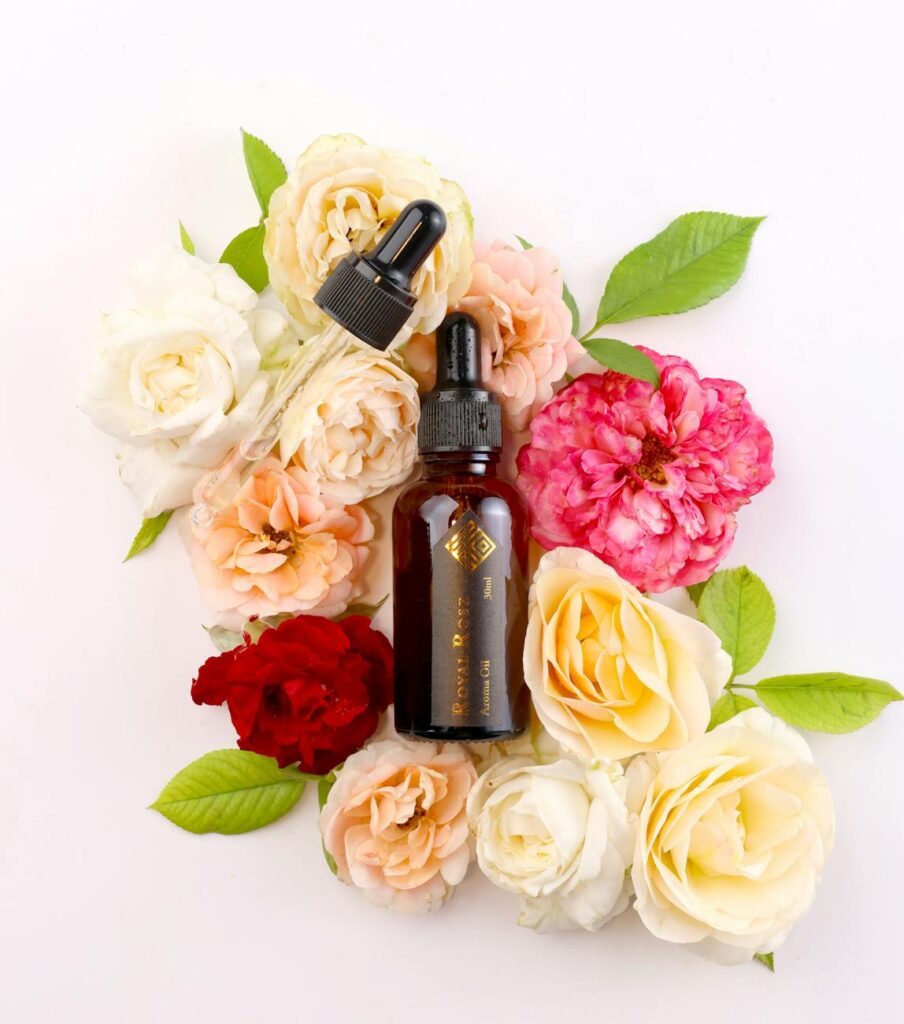
How Rose Oil Is Used in Aromatherapy
Introduction
Aromatherapy, a holistic practice that utilizes essential oils for various therapeutic purposes, has gained recognition for its potential to enhance emotional and physical well-being. Among the myriad of essential oils available, rose oil, derived from the petals of the Rosa damascena (Damask rose) or Rosa centifolia (Cabbage rose), stands out for its rich fragrance and numerous properties. This article explores the characteristics, benefits, applications, and safety considerations associated with rose oil in the realm of aromatherapy.
What Is Rose Oil?
Rose oil is a highly prized essential oil known for its exquisite, floral aroma. It is primarily extracted through steam distillation of the petals of the rose plant, though some variations may also involve solvent extraction methods. The production of rose oil is labor-intensive; it takes thousands of rose petals to produce just a few milliliters of oil, contributing to its status as one of the most expensive essential oils on the market.
The most commonly used varieties for oil extraction are the Damask and Cabbage roses, both of which are revered for their complex scent profiles and therapeutic properties. The oil typically appears pale yellow to amber in color and has a viscous texture, making it a unique addition to various formulations in aromatherapy.
Key Benefits and Properties
Rose oil is celebrated not only for its fragrance but also for its potential benefits. Some of the key properties that make rose oil significant in aromatherapy include:
1. Emotional Well-being: The aroma of rose oil is often associated with feelings of love, compassion, and peace. It is believed to help alleviate feelings of anxiety and stress, promoting emotional balance.
2. Anti-inflammatory: Rose oil contains compounds that exhibit anti-inflammatory properties, potentially aiding in the reduction of redness and irritation when applied topically in diluted forms.
3. Antioxidant: Rich in antioxidants, rose oil may help combat oxidative stress, contributing to overall skin health and resilience.
4. Antimicrobial: Studies have suggested that rose oil possesses antimicrobial properties, which may help protect against certain bacteria and fungi.
5. Hormonal Balance: Some practitioners believe that rose oil can support hormonal balance, particularly in women, potentially easing menstrual discomfort and emotional fluctuations.
Common Uses
Rose oil can be used in a variety of ways within aromatherapy practices. Common applications include:
- Diffusion: Adding rose oil to a diffuser can fill a room with its luxurious scent, promoting relaxation and elevating mood.
- Topical Applications: When diluted with a carrier oil, rose oil can be applied to the skin. It is often used in skincare formulations for its hydrating and soothing properties.
- Bath Products: Adding a few drops of rose oil to bathwater can create a relaxing and fragrant bathing experience.
- Massage Oil: When blended with a carrier oil, rose oil can enhance the benefits of massage, providing both relaxation and skin nourishment.
- Room Sprays: Rose oil can be mixed with distilled water and used as a natural room spray, creating an inviting and calming atmosphere.
- Direct Inhalation: Placing a drop of rose oil on a cotton ball or tissue and inhaling deeply.
- Steam Inhalation: Adding a few drops of rose oil to a bowl of hot water and inhaling the steam can help clear the airways and enhance relaxation.
- Dilution: Essential oils are potent and should be diluted with a carrier oil before topical application to prevent skin irritation or allergic reactions.
- Pregnancy and Nursing: Pregnant or nursing individuals should consult with a qualified healthcare professional before using rose oil or any essential oil.
- Skin Sensitivity: Perform a patch test prior to widespread use, especially for those with sensitive skin or a history of allergic reactions to fragrances.
- Quality: Not all rose oils are created equal. It is essential to choose high-quality, pure essential oils from reputable sources to ensure safety and effectiveness.
- Cool, Dark Place: Store rose oil in a cool, dark environment away from direct sunlight and heat, which can degrade the oil.
- Tightly Sealed Containers: Ensure that the bottle is tightly sealed to prevent oxidation.
- Shelf Life: When stored correctly, rose oil generally has a shelf life of 2 to 3 years. However, the scent and therapeutic properties may diminish over time.
Aromatherapy Applications
In aromatherapy, rose oil can be utilized in numerous ways to maximize its benefits. Some popular methods include:
1. Inhalation
Inhalation is one of the simplest methods to experience the effects of rose oil. This can be done through:
2. Massage
Using rose oil in massage therapy can enhance both physical and emotional relaxation. It is recommended to dilute rose oil with a carrier oil, such as jojoba or sweet almond oil, to avoid skin sensitivity.
3. Bathing
Incorporating rose oil into bath products can transform a simple bath into a luxurious experience. It helps to soothe the senses and promote relaxation. For best results, mix a few drops of rose oil with a carrier oil or bath salts before adding it to warm bathwater.
4. Skincare Formulations
Due to its hydrating and soothing properties, rose oil is frequently used in skincare formulations. It can be added to serums, creams, and lotions to enhance their efficacy and aroma.
5. Emotional Support Blends
Rose oil can be blended with other essential oils known for their emotional benefits, such as lavender, bergamot, or frankincense, to create synergistic blends that support emotional well-being.
Safety Considerations
While rose oil is generally considered safe for most individuals when used appropriately, there are important safety considerations to keep in mind:
Storage and Shelf Life
Proper storage of rose oil is crucial to maintaining its quality and potency. Here are some guidelines:
Frequently Asked Questions
1. Is rose oil suitable for all skin types?
While rose oil is generally well-tolerated, individuals with sensitive skin should use caution and perform a patch test prior to widespread application.
2. Can rose oil be used in cooking or food?
Rose oil is primarily intended for aromatherapy and topical use. Culinary-grade rose oil is available, but it should only be used under guidance from a qualified expert.
3. How can I tell if my rose oil is pure?
Look for oils that are labeled as “100% pure” and check for certifications or testing from reputable sources. The oil should have a rich, floral scent and should not contain synthetic additives.
4. Can rose oil cause allergic reactions?
While rare, some individuals may experience allergic reactions to rose oil. If you experience any skin irritation, discontinue use immediately and consult a healthcare professional.
5. How can I incorporate rose oil into my daily routine?
Rose oil can be used in various ways, including adding it to your skincare regimen, using it in a diffuser, or incorporating it into your self-care rituals, such as baths or massages.
Conclusion
Rose oil continues to be a cherished essential oil in the realm of aromatherapy, offering a blend of emotional support and physical benefits. Its unique properties make it a versatile ingredient in various applications, from skincare to relaxation techniques. As with any essential oil, understanding its uses, benefits, and safety considerations can enhance one’s experience and appreciation for this exquisite oil. Whether used in diffusers, massage oils, or skincare products, rose oil serves as a reminder of the beauty and complexity of nature’s offerings.