
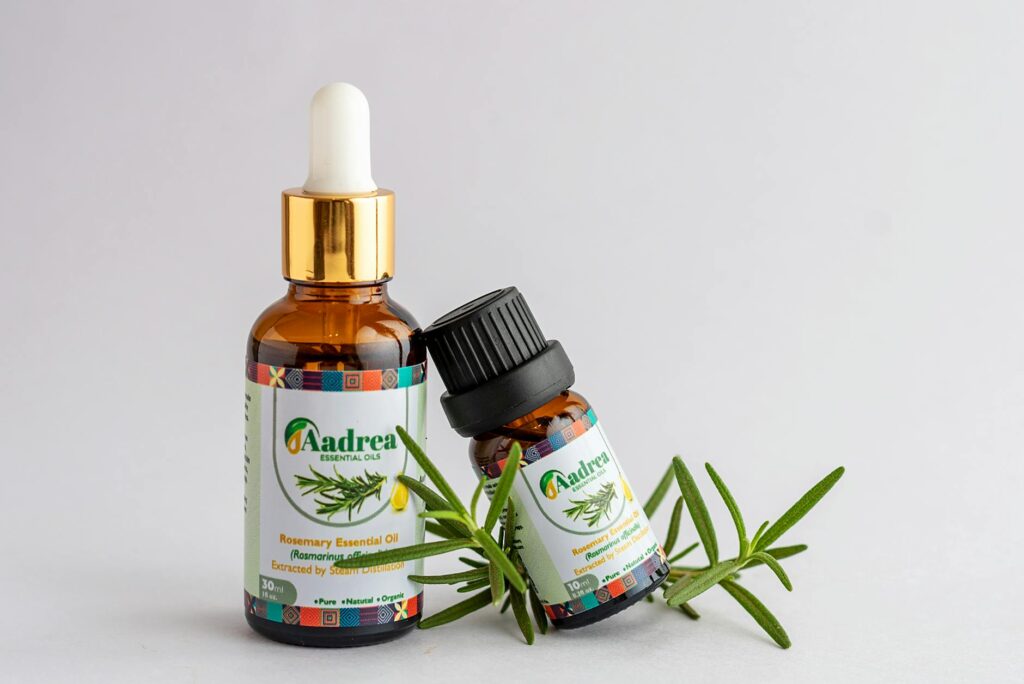
How Rosemary Oil Is Used in Aromatherapy
Introduction
Aromatherapy, an ancient practice leveraging the therapeutic properties of essential oils, has gained immense popularity in recent years. Among the myriad of essential oils, rosemary oil stands out due to its multifaceted benefits and rich historical significance. This article delves into the intricate world of rosemary oil, exploring its properties, common uses, and applications in aromatherapy.
What Is Rosemary Oil?
Rosemary oil is derived from the leaves and flowering tops of the rosemary plant, scientifically known as Rosmarinus officinalis. This evergreen herb, native to the Mediterranean region, has been cultivated for culinary, medicinal, and ornamental purposes for centuries. The oil is extracted primarily through steam distillation, capturing the aromatic compounds that give rosemary its distinctive fragrance.
The scent of rosemary oil is often described as fresh, herbaceous, and slightly woody, making it a favorite among both aromatherapists and enthusiasts alike. The oil contains a variety of chemical constituents, including 1,8-cineole, camphor, and rosmarinic acid, which contribute to its wide-ranging effects.
Key Benefits and Properties
Rosemary oil is celebrated for its diverse properties, which include:
1. Antioxidant: The oil contains compounds that may help combat oxidative stress, contributing to overall wellness.
2. Anti-inflammatory: Rosemary oil has been recognized for its potential to reduce inflammation, making it a popular choice for topical applications in aromatherapy.
3. Antimicrobial: Studies suggest that rosemary oil possesses antimicrobial properties, which can help purify the air when diffused.
4. Cognitive enhancer: Many users report improved mental clarity and focus when using rosemary oil, attributed to its stimulating effects on the mind.
5. Mood booster: The invigorating scent of rosemary can uplift the spirit, promoting feelings of positivity and alertness.
These properties make rosemary oil a versatile tool in aromatherapy, suitable for various applications.
Common Uses
Rosemary oil is utilized in several contexts beyond aromatherapy. Here are some common applications:
- Culinary: In cooking, rosemary is often used to flavor meats, vegetables, and even baked goods.
- Cosmetic: The oil is a common ingredient in hair and skin care products, believed to promote hair growth and improve skin health.
- Household: Due to its antimicrobial properties, rosemary oil is sometimes used in homemade cleaning solutions to disinfect surfaces.
- Perfume: The aromatic qualities of rosemary make it a popular choice in the fragrance industry.
- Dilution: Always dilute essential oils before applying them to the skin. A common recommendation is to use a 2-5% dilution rate in a carrier oil.
- Allergic Reactions: Conduct a patch test on a small area of skin to check for allergies before using rosemary oil more broadly.
- Pregnancy and Nursing: Pregnant or nursing individuals should consult with a healthcare professional before using rosemary oil.
- Health Conditions: Individuals with certain medical conditions, particularly those involving epilepsy or high blood pressure, should exercise caution and consult with a healthcare provider before using rosemary oil.
- Keep Away from Eyes and Mucous Membranes: Rosemary oil should not be applied near the eyes or mucous membranes, as it can cause irritation.
- Container: Store rosemary oil in a dark glass bottle to protect it from light, which can degrade its quality.
- Temperature: Keep the oil in a cool, dry place, away from direct sunlight and heat sources.
- Shelf Life: Generally, rosemary oil can last for 1-3 years if stored correctly. However, it’s advisable to check for any changes in scent or consistency before use, as these can indicate that the oil has gone rancid.
Aromatherapy Applications
In the realm of aromatherapy, rosemary oil can be employed in various ways, each designed to enhance the therapeutic experience:
1. Diffusion
One of the most common methods of using rosemary oil in aromatherapy is through diffusion. Essential oil diffusers disperse the oil into the air, allowing the aromatic compounds to fill a room. This method is ideal for creating a lively and stimulating environment, particularly useful during study or work sessions.
2. Inhalation
Direct inhalation of rosemary oil can also provide immediate effects. Placing a few drops on a tissue or cotton ball and inhaling deeply can promote mental clarity and focus. This method is often favored by students or professionals needing a quick mental boost.
3. Topical Application
When diluted with a carrier oil (such as jojoba or sweet almond oil), rosemary oil can be applied directly to the skin. This method is frequently used for massages, particularly for muscle tension and discomfort. However, it’s crucial to conduct a patch test prior to widespread application to check for any allergic reactions.
4. Bathing
Adding rosemary oil to a warm bath can create a soothing experience, promoting relaxation and mental clarity. The steam from the bath carries the aroma, enhancing the overall ambiance.
5. Hair Care
Rosemary oil is increasingly used in hair care routines. When added to shampoos or conditioners, it may help stimulate hair follicles and promote a healthy scalp. It may also be included in scalp massages for added benefit.
Safety Considerations
While rosemary oil is generally regarded as safe when used appropriately, several safety considerations should be kept in mind:
Storage and Shelf Life
To maintain the efficacy of rosemary oil, proper storage is essential. Here are some best practices:
Frequently Asked Questions
1. Can rosemary oil help with hair loss?
While many people use rosemary oil in hair care routines, claiming it promotes hair growth, scientific evidence is limited. It is best to integrate it into a balanced hair care regimen.
2. Is rosemary oil safe for children?
Rosemary oil is not generally recommended for young children due to its potency. Always consult a healthcare provider for guidance on using essential oils with children.
3. How can I use rosemary oil for stress relief?
Diffusing rosemary oil or inhaling it directly can help create a calming environment, potentially aiding in stress relief. Adding it to a bath can also enhance relaxation.
4. Can rosemary oil be ingested?
Ingesting essential oils is not recommended unless under the supervision of a qualified healthcare professional. Always consult an expert before considering ingestion.
5. What other oils blend well with rosemary oil?
Rosemary oil pairs well with several other essential oils, including lavender, peppermint, and eucalyptus. These combinations can enhance aromatic and therapeutic properties, creating a more complex scent profile.
Conclusion
Rosemary oil represents a fascinating intersection of nature and wellness. Its aromatic qualities and potential benefits make it a valuable addition to the world of aromatherapy. By understanding its properties, uses, and safety considerations, individuals can harness the power of this remarkable oil to enhance their well-being. As with all essential oils, responsible use is key to enjoying the myriad benefits rosemary oil has to offer.