
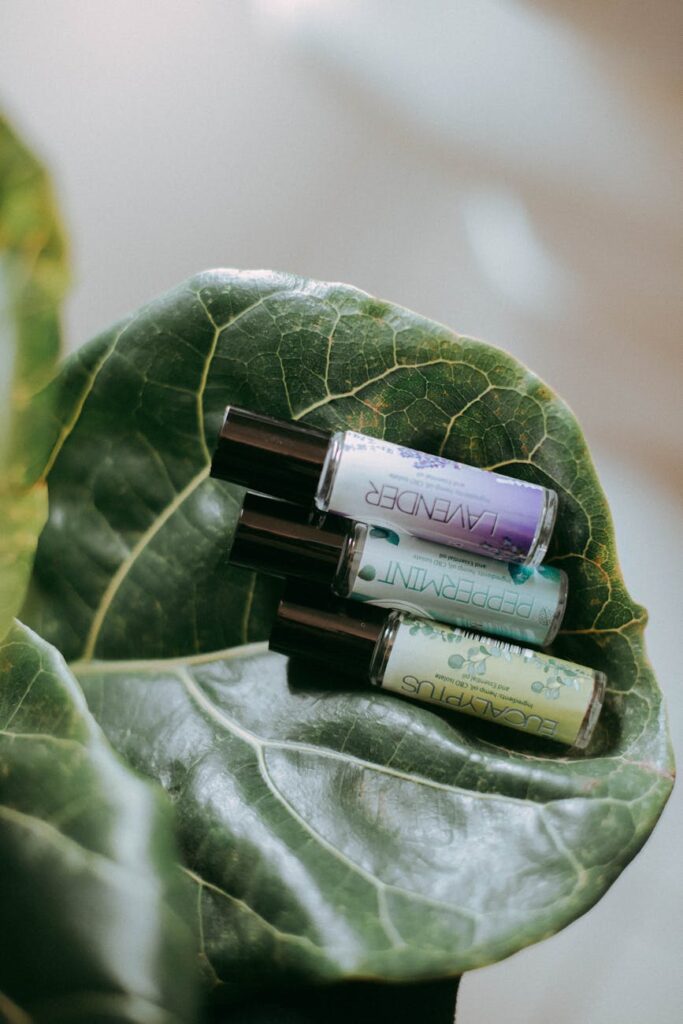
How Self-Care Blends Are Used in Aromatherapy
Introduction
In our increasingly fast-paced world, self-care has become an essential practice for maintaining mental, emotional, and physical well-being. Among the myriad of self-care options available, aromatherapy has gained popularity for its ability to enhance relaxation, promote emotional balance, and provide a sensory experience that nurtures the soul. At the heart of aromatherapy lies the concept of self-care blends—carefully curated combinations of essential oils designed to support personal well-being. This article delves into the essence of self-care blends, exploring their benefits, applications, and safety considerations.
What Is Self-Care Blends?
Self-care blends are specific formulations of essential oils combined to address various emotional and physical needs. These blends are typically designed to evoke feelings of relaxation, upliftment, or grounding, depending on the desired outcome. The art of blending essential oils is both a science and a craft, requiring knowledge of the properties of individual oils as well as an understanding of how they interact with one another.
Self-care blends can vary widely in composition. Some may include a single essential oil, while others might consist of multiple oils combined in precise ratios. The process often involves selecting oils based on their therapeutic properties, fragrance profiles, and individual preferences. For example, a calming blend may incorporate lavender for its soothing qualities, chamomile for its comforting aroma, and bergamot to uplift the spirit.
Key Benefits and Properties
Self-care blends offer a variety of benefits that cater to different emotional and physical states. Here are some of the key properties of essential oils commonly used in self-care blends:
1. Relaxation: Oils such as lavender, ylang-ylang, and sandalwood are renowned for their calming effects. They help to reduce stress and promote a sense of tranquility.
2. Upliftment: Citrus oils like orange, lemon, and grapefruit are often included in self-care blends for their refreshing and energizing properties. They can help combat feelings of lethargy or sadness.
3. Grounding: Oils such as vetiver, cedarwood, and frankincense are typically used for their grounding effects. They can assist in promoting a sense of stability and presence.
4. Sleep Support: Certain blends are designed to encourage restful sleep. Oils like chamomile, marjoram, and lavender are frequently used for their sedative properties.
5. Focus and Clarity: Oils such as rosemary, peppermint, and basil can be included to enhance mental clarity and concentration, making them ideal for study or work environments.
Common Uses
Self-care blends can be utilized in a multitude of ways, making them versatile tools for personal well-being. Here are some common uses:
- Diffusion: One of the most popular methods is to use a diffuser, which disperses the essential oils into the air, allowing for an immersive aromatic experience.
- Topical Application: Diluting self-care blends with a carrier oil (like jojoba, sweet almond, or coconut oil) allows for safe application on the skin. This method is often used for targeted relief or relaxation.
- Bathing: Adding self-care blends to bathwater can create a luxurious and restorative experience. The warmth of the water helps to release the oils, enhancing their aromatic properties.
- Inhalation: Inhaling from a bottle or using a personal inhaler can provide immediate benefits, particularly for emotional support during moments of stress or anxiety.
- Massage: Incorporating self-care blends into massage oil can deepen relaxation and promote a sense of well-being during massage therapies.
- Dark Containers: Essential oils should be stored in dark glass bottles to protect them from light exposure, which can degrade the oils.
- Cool Environment: Store oils in a cool, dry place away from direct sunlight and heat sources. High temperatures can alter the chemical composition of the oils.
- Shelf Life: While essential oils do have a shelf life, many can remain effective for several years if stored correctly. Citrus oils, however, tend to have a shorter shelf life compared to other oils.
Aromatherapy Applications
The applications of self-care blends in aromatherapy are diverse and can cater to individual preferences and needs. Here are some common ways to integrate self-care blends into daily routines:
Daily Rituals
Incorporating aromatherapy into daily rituals can enhance mindfulness and self-awareness. For instance, using a calming blend during morning meditation can set a positive tone for the day. Similarly, a refreshing blend can be diffused during workout sessions to boost motivation.
Work Environment
Creating a supportive work environment is essential for productivity and focus. Using clarity-enhancing blends in a diffuser or applying them topically can help maintain concentration and reduce workplace stress.
Evening Wind Down
Establishing a calming evening routine can improve sleep quality. Integrating sleep-supporting blends into a bedtime ritual, such as adding them to a warm bath or using them in a diffuser, can create a serene atmosphere conducive to rest.
Travel Companion
Self-care blends can also serve as travel companions, providing comfort during journeys. Bringing a calming blend in a portable inhaler can help ease travel anxiety, while refreshing blends can invigorate the senses during long trips.
Safety Considerations
While self-care blends can offer numerous benefits, it is essential to approach their use with caution. Here are some safety considerations to keep in mind:
1. Dilution: Essential oils are highly concentrated substances. It is crucial to dilute them in a carrier oil before topical application to avoid skin irritation.
2. Allergies and Sensitivities: Individuals should perform a patch test before applying any blend to a larger area of skin, especially if they have known sensitivities or allergies.
3. Pregnancy and Medical Conditions: Pregnant individuals and those with specific medical conditions should consult with a qualified professional before using essential oils.
4. Children and Pets: Certain essential oils may not be suitable for children or pets. Research and caution are advised when using blends in their presence.
5. Quality of Oils: The quality of essential oils can vary widely. It is important to source oils from reputable suppliers to ensure purity and efficacy.
Storage and Shelf Life
Proper storage of essential oils is vital to maintain their integrity and effectiveness. Here are some tips for optimal storage:
Frequently Asked Questions
Can I create my own self-care blends?
Absolutely! Creating your own blends allows for personalization based on your unique preferences and needs. Start with a few essential oils that resonate with you, and experiment with different ratios to find the perfect combination.
How do I know which oils to use for specific emotions?
Researching the properties of various essential oils can guide you in selecting the right oils for your emotional needs. Many resources, including books and reputable websites, offer insights into the therapeutic benefits of different oils.
Are self-care blends suitable for everyone?
While many individuals can benefit from self-care blends, it is essential to consider individual sensitivities, allergies, and medical conditions. Consulting a qualified professional is recommended for those with specific concerns.
How can I incorporate self-care blends into my daily routine?
Start small by integrating self-care blends into your daily rituals, such as diffusing in the morning or using them during a bedtime routine. Observe how different blends impact your mood and adjust your routine accordingly.
Can self-care blends help with physical discomfort?
While self-care blends can promote relaxation and emotional well-being, they should not be used as a substitute for medical treatment. Consult a qualified professional for any physical discomfort or health concerns.
Conclusion
Self-care blends are a valuable aspect of aromatherapy that can enhance personal well-being through the therapeutic properties of essential oils. By understanding their benefits, applications, and safety considerations, individuals can create a nurturing environment that fosters relaxation, upliftment, and emotional balance. As you explore the world of self-care blends, remember to listen to your body and preferences, allowing your journey into aromatherapy to be as unique as you are.