
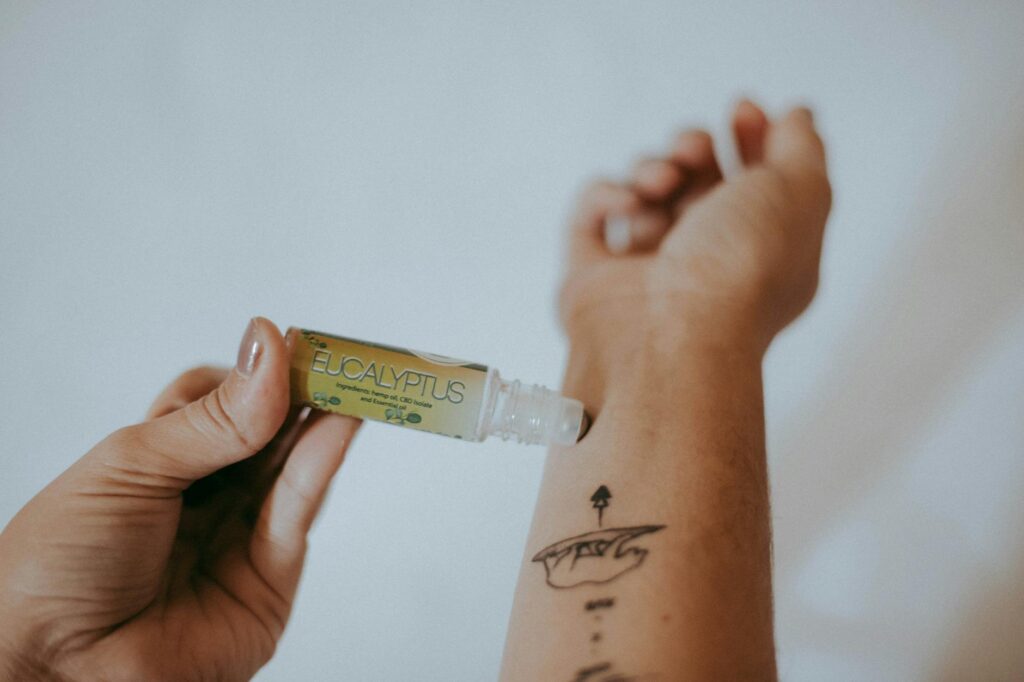
How Sesame Oil Is Used in Aromatherapy
Introduction
Aromatherapy, the practice of using essential oils for therapeutic benefits, has gained popularity in recent years for its holistic approach to well-being. Among the diverse range of carrier oils employed in this practice, sesame oil stands out for its rich history, unique properties, and versatility. This article delves into the characteristics of sesame oil, its benefits, common uses, and its applications in aromatherapy.
What Is Sesame Oil?
Sesame oil is derived from the seeds of the sesame plant (Sesamum indicum), one of the oldest oilseed crops known to humanity. The oil extraction process can involve either cold-pressing or refining, with cold-pressed oil retaining more of its natural nutrients and flavor. Known for its light golden hue and nutty aroma, sesame oil is widely used in culinary applications, traditional medicine, and, increasingly, in aromatherapy.
Key Benefits and Properties
Sesame oil is celebrated for its numerous beneficial properties:
1. Nutrient-Rich: It is high in several essential fatty acids, including linoleic acid and oleic acid, which contribute to skin health and hydration.
2. Antioxidant Properties: Sesame oil contains antioxidants such as sesamol, which can help combat oxidative stress and may protect cells from damage.
3. Anti-Inflammatory Effects: The oil is known for its anti-inflammatory properties, making it a popular choice in various traditional medicine practices.
4. Moisturizing Qualities: Its emollient properties make sesame oil an excellent moisturizer, suitable for various skin types.
5. Traditional Use: In Ayurveda, sesame oil is often used for oil pulling and as a base for various therapeutic applications, reflecting its deep-rooted significance in holistic health practices.
Common Uses
Apart from its applications in aromatherapy, sesame oil is widely utilized in various domains:
- Culinary Uses: Commonly used in Asian cuisine, sesame oil enhances the flavor of salads, stir-fries, and marinades.
- Cosmetics and Skincare: Due to its moisturizing properties, sesame oil is frequently included in lotions, creams, and hair care products.
- Massage Therapy: Its smooth texture and nourishing qualities make it a preferred carrier oil for many massage therapists.
- Traditional Medicine: In Ayurvedic practices, sesame oil is used for various treatments, including oil pulling and as a base for herbal concoctions.
- Lavender: Known for its calming properties, lavender essential oil combined with sesame oil can create a soothing massage blend.
- Peppermint: This invigorating oil can provide a refreshing sensation when mixed with sesame oil, ideal for alleviating fatigue.
- Tea Tree: The antimicrobial properties of tea tree oil make it a good match for sesame oil in skincare applications.
- Facial Oils: A blend of sesame oil with essential oils like frankincense or geranium can promote healthy skin.
- Body Scrubs: Sesame oil can be used in DIY body scrubs to provide hydration while exfoliating the skin.
- Allergic Reactions: Some individuals may be allergic to sesame seeds. A patch test is recommended before widespread application.
- Dilution: Essential oils are highly concentrated and should always be diluted in a carrier oil like sesame oil before topical application to avoid skin irritation.
- Pregnancy and Nursing: If pregnant or nursing, consult with a qualified professional before using essential oils or carrier oils.
- Skin Sensitivity: Individuals with sensitive skin should exercise caution and perform a patch test with the diluted oil before full application.
- Containers: Store sesame oil in dark glass bottles to protect it from light, which can degrade the oil over time.
- Temperature: Keep the oil in a cool, dark place, away from heat sources. High temperatures can cause the oil to go rancid more quickly.
- Shelf Life: When stored correctly, sesame oil can have a shelf life of up to 12 months. Always check for any off odors or changes in color before use.
Aromatherapy Applications
In aromatherapy, sesame oil is primarily used as a carrier oil, which serves to dilute essential oils before topical application. Here are some of the ways sesame oil can be utilized in aromatherapy:
1. Carrier Oil
Sesame oil is an excellent choice for diluting essential oils due to its light texture and ability to absorb into the skin without leaving a greasy residue. It allows for a longer-lasting aroma and enhances the benefits of essential oils. Common essential oils that pair well with sesame oil include:
2. Skin Care
The nourishing and moisturizing properties of sesame oil make it suitable for skincare applications. When mixed with essential oils, it can be used in:
3. Massage Blends
In massage therapy, sesame oil serves as an excellent base. A combination of sesame oil with essential oils such as eucalyptus or chamomile can create a relaxing massage experience, promoting relaxation and stress relief.
4. Diffusion
While sesame oil is not typically used in aromatherapy diffusers, it can be blended with essential oils and used in a personal inhaler or applied topically to enjoy its benefits.
Safety Considerations
While sesame oil is generally considered safe for most individuals, there are a few considerations to keep in mind:
Storage and Shelf Life
To maintain the quality of sesame oil, proper storage is essential:
Frequently Asked Questions
1. Can sesame oil be used on all skin types?
Yes, sesame oil is generally suitable for various skin types, including dry, oily, and sensitive skin. However, individuals with known allergies should exercise caution.
2. Is sesame oil safe for cooking?
Absolutely! Sesame oil is widely used in cooking, particularly in Asian cuisines. It adds a unique flavor to dishes and can be used for sautéing, frying, and salad dressings.
3. How can I incorporate sesame oil into my aromatherapy routine?
You can use sesame oil as a carrier oil for diluting essential oils for topical application, in massage blends, or even in homemade skincare products.
4. Can sesame oil help with hair care?
Yes, sesame oil is often used in hair care products for its moisturizing properties. It can help nourish the scalp, promote hair growth, and add shine to hair.
5. How do I perform a patch test with sesame oil?
To conduct a patch test, apply a small amount of diluted sesame oil to an inconspicuous area of skin, such as the inner wrist. Wait for 24 hours to check for any adverse reactions before using it more broadly.
Conclusion
Sesame oil is a versatile carrier oil with a wealth of applications in aromatherapy and beyond. Its unique properties and rich history make it a valuable addition to any wellness routine. Whether used for skin care, massage, or as a base for essential oil blends, sesame oil offers a myriad of benefits that contribute to overall well-being. As with any natural product, proper use and storage are essential to maximize its potential.