
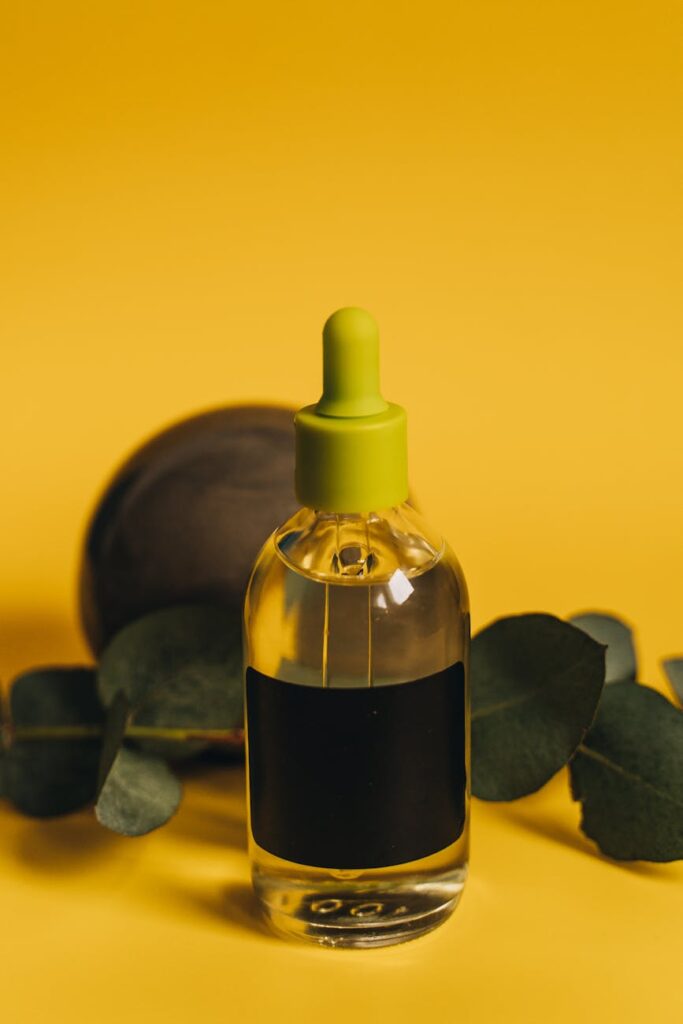
How Squalane Oil Is Used in Aromatherapy
Introduction
Aromatherapy, the practice of using aromatic plant extracts for therapeutic benefits, has gained significant popularity in recent years. Among the vast array of essential oils and carrier oils used in this holistic approach, squalane oil stands out due to its unique properties and versatility. This article explores squalane oil, its benefits, common uses, and its applications within the realm of aromatherapy.
What Is Squalane Oil?
Squalane oil is a saturated derivative of squalene, a naturally occurring compound found in various plants, including olives, sugarcane, and rice bran. Squalene is also a component of human sebum, the natural oil produced by our skin, making squalane oil particularly effective for skincare. The hydrogenation process that converts squalene to squalane makes it a stable and shelf-stable oil, ensuring it does not oxidize easily.
Squalane oil is colorless, odorless, and lightweight, making it an ideal carrier oil for blending with essential oils in aromatherapy. Its emollient properties allow it to absorb quickly into the skin without leaving a greasy residue.
Key Benefits and Properties
1. Moisturizing: Squalane oil is known for its ability to hydrate and nourish the skin. Its molecular structure closely resembles that of human lipids, which helps to lock in moisture and provide a smooth, supple texture.
2. Antioxidant: Due to its antioxidant properties, squalane oil helps to protect the skin from environmental damage caused by free radicals. This can support the skin’s overall health and appearance.
3. Non-comedogenic: Unlike some oils that can clog pores, squalane oil is non-comedogenic, making it suitable for various skin types, including oily and acne-prone skin.
4. Anti-inflammatory: Squalane oil has mild anti-inflammatory properties, which can help soothe irritated skin and reduce redness.
5. Compatibility: Squalane oil blends well with various essential oils, enhancing their therapeutic properties while providing additional benefits.
Common Uses
Squalane oil is widely used in the beauty and wellness industry for various applications:
- Skincare: It serves as a base in moisturizers, serums, and facial oils, helping to keep the skin hydrated and balanced.
- Haircare: Squalane oil can be applied to the hair to provide moisture, enhance shine, and reduce frizz.
- Makeup: It is often included in makeup products, acting as a primer or a hydrating agent.
- Massage: Due to its slip and moisturizing properties, squalane oil is frequently used in massage oils.
- Lavender: Known for its calming effects, lavender oil can be combined with squalane to promote relaxation and skin soothing.
- Tea Tree: With its antiseptic properties, tea tree oil blended with squalane can assist in addressing acne-prone skin.
- Rosemary: This essential oil can promote mental clarity and may help with hair health when mixed with squalane.
- Container: Keep squalane oil in a dark glass bottle to protect it from light exposure, which can degrade its quality.
- Temperature: Store the oil in a cool, dry place away from direct sunlight and heat sources.
- Shelf Life: When stored correctly, squalane oil can last for up to two years. However, it is essential to check for any changes in smell or texture before use, as these may indicate spoilage.
Aromatherapy Applications
In the context of aromatherapy, squalane oil serves as an effective carrier oil, enabling the safe application of essential oils on the skin. Here are some ways it is used in aromatherapy:
Blending with Essential Oils
Squalane oil is often blended with essential oils to create custom formulations tailored to individual needs. Since it is a neutral oil, it does not interfere with the scent or therapeutic properties of the essential oils. Common essential oils that pair well with squalane include:
Skin Application
Squalane oil can be applied directly to the skin, either alone or as part of an aromatherapy blend. When using essential oils, it is vital to dilute them properly with squalane oil to avoid skin irritation. A common dilution ratio is 2-3 drops of essential oil per tablespoon of squalane oil.
Inhalation
Although squalane oil is primarily used as a carrier oil, it can also be incorporated into inhalation techniques. A few drops of essential oil diluted in squalane can be added to an aromatherapy diffuser or inhaler, allowing for the therapeutic benefits of the essential oils to be experienced through inhalation.
Massage and Bathing
Squalane oil’s excellent glide makes it an ideal medium for aromatherapy massage. When combined with essential oils, it can create a soothing experience that promotes relaxation and well-being. Additionally, squalane oil can be added to bathwater, allowing the skin to absorb its moisturizing properties while enjoying the aromatic benefits of essential oils.
Safety Considerations
While squalane oil is generally considered safe for topical use, there are some important safety considerations to keep in mind:
1. Skin Sensitivity: Although squalane is well-tolerated by most skin types, it is advisable to perform a patch test before extensive use, especially when blending with essential oils.
2. Essential Oil Dilution: Always dilute essential oils in squalane oil before applying them to the skin to prevent irritation. The recommended dilution is usually 2-3 drops of essential oil per tablespoon of squalane oil.
3. Pregnancy and Nursing: Pregnant or nursing individuals should consult with a healthcare provider before using essential oils, even when diluted in carrier oils like squalane.
4. Consultation: Always consult a qualified aromatherapist or healthcare professional for personalized guidance on essential oil use, especially if there are preexisting health concerns.
Storage and Shelf Life
Squalane oil has a relatively long shelf life compared to many other oils, thanks to its stability. To ensure its longevity, it is essential to store it properly:
Frequently Asked Questions
What is the difference between squalene and squalane?
Squalene is an unsaturated compound found in various plants and human sebum, while squalane is a stable, hydrogenated form of squalene. Squalane is more commonly used in skincare and aromatherapy due to its longer shelf life and stability.
Can squalane oil be used on all skin types?
Yes, squalane oil is suitable for all skin types, including oily, dry, and sensitive skin. Its non-comedogenic properties make it an excellent choice for those prone to breakouts.
How do I incorporate squalane oil into my aromatherapy routine?
Squalane oil can be used as a carrier oil for essential oils, allowing for topical application, massage, or inhalation. Always dilute essential oils appropriately and consult with a qualified professional for personalized advice.
Is squalane oil safe for children?
Squalane oil is generally considered safe for children, but it is essential to consult with a pediatrician or qualified professional before using it, especially in combination with essential oils.
Conclusion
Squalane oil is a versatile and beneficial carrier oil in the world of aromatherapy. Its moisturizing properties, compatibility with essential oils, and stability make it an excellent choice for enhancing the therapeutic effects of various aromatic blends. By understanding its uses, benefits, and safety considerations, individuals can effectively incorporate squalane oil into their aromatherapy practices, promoting overall well-being and skin health.