
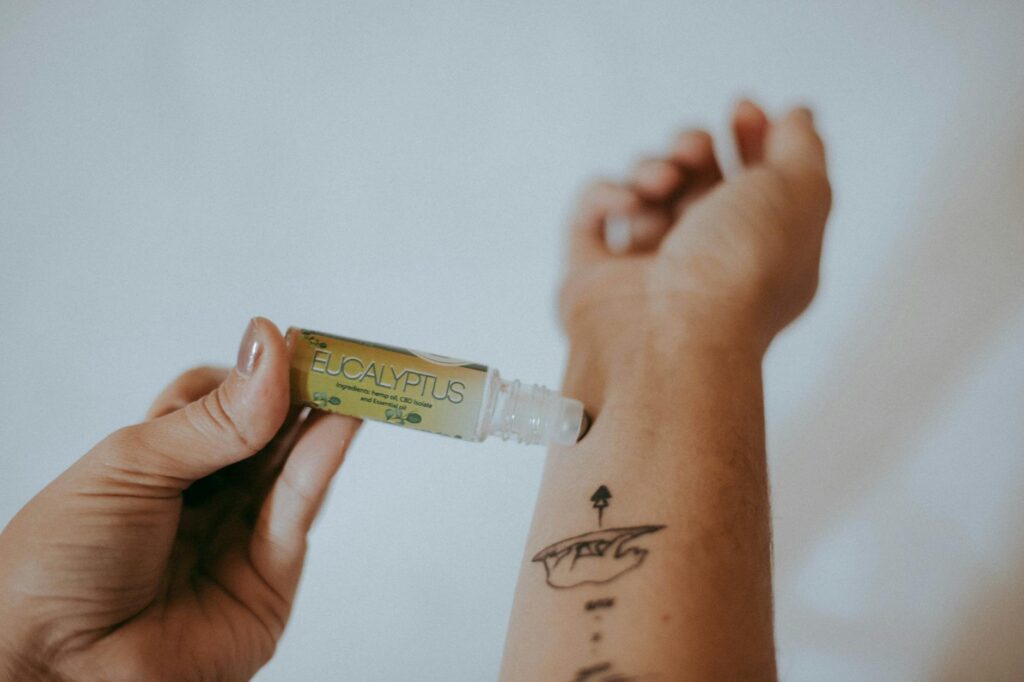
How Sunflower Oil Is Used in Aromatherapy
Introduction
Sunflower oil, extracted from the seeds of the Helianthus annuus plant, has gained recognition not only as a culinary oil but also as an essential carrier oil in aromatherapy. Its light texture and neutral scent make it an ideal vehicle for diluting essential oils, facilitating their application in various therapeutic practices. This article explores the characteristics of sunflower oil, its benefits, common uses, and safety considerations within the realm of aromatherapy.
What Is Sunflower Oil?
Sunflower oil is derived from the seeds of the sunflower plant, a flowering annual that belongs to the Asteraceae family. The oil is typically cold-pressed or refined, yielding a pale yellow liquid with a mild flavor and scent. Rich in fatty acids, particularly linoleic acid (omega-6), and vitamin E, sunflower oil is celebrated for its emollient properties and its role as a skin conditioner.
The oil is categorized into two primary types: high-oleic and regular sunflower oil. High-oleic sunflower oil contains a higher percentage of oleic acid, making it stable and more suitable for high-temperature cooking. In contrast, regular sunflower oil is more commonly used in cosmetic and therapeutic applications due to its rich nutrient profile.
Key Benefits and Properties
Sunflower oil boasts a variety of beneficial properties that enhance its utility in aromatherapy:
1. Emollient: Sunflower oil is known for its ability to soften and soothe the skin, making it an excellent choice for topical applications.
2. Antioxidant: The presence of vitamin E acts as a potent antioxidant, helping to protect the skin from oxidative stress.
3. Hydrating: Its high linoleic acid content aids in maintaining the skin’s moisture barrier, promoting hydration.
4. Anti-inflammatory: Sunflower oil may help reduce inflammation, making it suitable for sensitive or irritated skin.
5. Non-comedogenic: Its lightweight nature means it is less likely to clog pores, which is beneficial for those with acne-prone skin.
Common Uses
Sunflower oil is utilized in various contexts, including:
- Cosmetics: Often found in lotions, creams, and serums, sunflower oil serves as an effective moisturizer and skin conditioner.
- Food: Its light flavor and high smoke point make it a popular choice for frying, baking, and salad dressings.
- Massage: Used as a carrier oil, sunflower oil facilitates smooth application during massage treatments.
- Hair Care: Sunflower oil is included in shampoos and conditioners for its nourishing effects on hair and scalp.
- Patch Test: Before applying sunflower oil or a blend containing sunflower oil on a larger skin area, it is advisable to conduct a patch test to check for any allergic reactions or sensitivities.
- Quality of Oil: Always choose high-quality, cold-pressed sunflower oil to ensure purity and maximize its benefits. Look for organic options when possible.
- Dilution: Essential oils should never be applied directly to the skin without dilution in a carrier oil such as sunflower oil. A common dilution ratio is 2-3% essential oil to carrier oil.
- Consultation: Although sunflower oil is safe for most, individuals with specific skin conditions or allergies should consult a healthcare professional before use.
- Cool, Dark Place: Store sunflower oil in a cool, dark place, away from direct sunlight and heat sources, to prevent oxidation and rancidity.
- Tightly Sealed: Ensure the container is tightly sealed when not in use to maintain freshness.
- Shelf Life: When stored properly, sunflower oil can last up to 12 months. However, it is advisable to check for any off smells or changes in texture before use.
In the context of aromatherapy, sunflower oil is particularly valued for its ability to blend seamlessly with essential oils, enhancing their therapeutic effects.
Aromatherapy Applications
In aromatherapy, sunflower oil is primarily used as a carrier oil. Carrier oils dilute essential oils, making them safe for topical application and aiding in their absorption. Here are some common applications of sunflower oil in aromatherapy:
1. Massage Blends: When mixed with essential oils like lavender, eucalyptus, or peppermint, sunflower oil creates soothing massage blends. Its light texture allows for easy gliding over the skin, enhancing the overall experience.
2. Skin Care Formulations: Sunflower oil can be combined with essential oils like tea tree or chamomile to create skin care products aimed at addressing specific concerns such as acne, dryness, or irritation.
3. Diffuser Blends: Although sunflower oil is not typically used in diffusers, it can be blended with essential oils in topical applications following diffusion. This method allows the user to enjoy the aroma while simultaneously benefiting from the oil’s skin-nourishing properties.
4. Bath Products: Sunflower oil can be added to bath oils or salts, providing skin hydration while releasing the fragrance of essential oils into the water.
5. Inhalation Practices: When combined with essential oils, sunflower oil can be used for inhalation practices, such as steam inhalation, which may help in respiratory relaxation.
Safety Considerations
While sunflower oil is generally considered safe for most individuals, there are several precautions to consider:
Storage and Shelf Life
To preserve the quality of sunflower oil, proper storage is essential:
Frequently Asked Questions
1. Can sunflower oil be used on all skin types?
Yes, sunflower oil is generally suitable for all skin types, including sensitive and acne-prone skin. Its non-comedogenic nature reduces the likelihood of clogged pores.
2. How do I mix essential oils with sunflower oil?
For a typical blend, dilute essential oils at a ratio of 2-3% (for example, 12-18 drops of essential oil per ounce of sunflower oil). Adjust the ratio according to personal preference and skin sensitivity.
3. Is sunflower oil safe for children?
Sunflower oil is generally safe for children when used appropriately. However, it is advisable to consult with a healthcare professional before using it on infants or young children.
4. Can sunflower oil be used in cooking and aromatherapy simultaneously?
While sunflower oil is safe for culinary uses, it is best to keep culinary and therapeutic oils separate. Oils intended for cooking may not be of the same quality as those intended for topical use.
5. What is the difference between sunflower oil and other carrier oils?
Sunflower oil has a lighter texture compared to oils like olive or coconut oil. It is also relatively odorless, making it an ideal choice for blending with essential oils without altering their scent.
Conclusion
Sunflower oil serves as a versatile and beneficial carrier oil in the realm of aromatherapy. Its emollient properties, light texture, and compatibility with a wide range of essential oils enhance its application in massage, skin care, and other therapeutic practices. By understanding its benefits and proper usage, individuals can effectively incorporate sunflower oil into their aromatherapy routines, promoting an overall sense of well-being.