
How Tangerine Oil Is Used in Aromatherapy
Introduction
Aromatherapy, an ancient practice that utilizes the fragrant properties of essential oils from plants, has gained significant popularity in recent years. Among the myriad of essential oils available, tangerine oil stands out due to its uplifting aroma and diverse applications. This article explores the characteristics, benefits, and uses of tangerine oil within the realm of aromatherapy.
What Is Tangerine Oil?
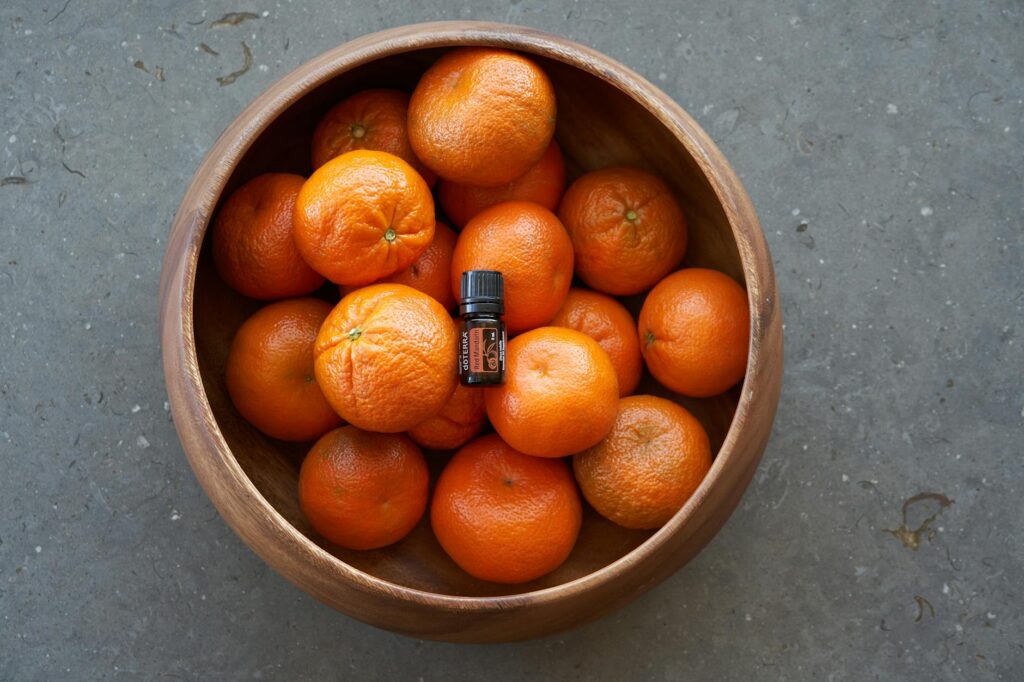
Tangerine oil is derived from the peel of the tangerine fruit (Citrus reticulata), a member of the citrus family. The oil is extracted through cold pressing, a method that preserves the delicate aroma and therapeutic properties of the fruit. Tangerines, known for their sweet, tangy scent, are predominantly cultivated in regions with warm climates, including parts of Asia, Europe, and the United States. The oil is characterized by its bright orange color and refreshing, cheerful fragrance, making it a popular choice in both aromatherapy and natural perfumery.
Key Benefits and Properties
Tangerine oil possesses a range of beneficial properties that contribute to its popularity in aromatherapy. Some key benefits include:
1. Mood Enhancement: The uplifting aroma of tangerine oil is often associated with feelings of joy and positivity. Its sweet scent can help alleviate feelings of stress and anxiety, making it a great choice for mood enhancement.
2. Digestive Support: While not a substitute for medical advice, tangerine oil is sometimes included in blends aimed at promoting digestive comfort. Its citrus nature is thought to help ease feelings of fullness and discomfort.
3. Antimicrobial Properties: Preliminary studies suggest that tangerine oil may exhibit antimicrobial properties, which can be beneficial in creating a clean and refreshing environment.
4. Skin Benefits: Tangerine oil is known for its potential skin benefits, such as promoting a radiant complexion and soothing minor irritations. However, it is important to note that it should be used with care due to its photosensitivity.
5. Relaxation and Sleep Aid: Some users find tangerine oil helpful in promoting relaxation, making it a suitable choice for use in evening routines or during meditation.
Common Uses
Tangerine oil can be utilized in various applications, both in personal care and household settings. Here are some common uses:
1. Diffusion: One of the most popular ways to enjoy tangerine oil is through diffusion. It can be used alone or blended with other essential oils to create a harmonious atmosphere.
2. Topical Application: When diluted with a carrier oil, tangerine oil can be applied to the skin for localized benefits. It is essential to conduct a patch test prior to full application to ensure there are no adverse reactions.
3. Bath Products: Tangerine oil is often added to bath salts or oils, providing a refreshing experience that can enhance relaxation and invigorate the senses.
4. Household Cleaners: Due to its antimicrobial properties and pleasant scent, tangerine oil can be included in homemade cleaning solutions for a natural alternative to commercial products.
5. Culinary Uses: In addition to its aromatic properties, tangerine oil can be used sparingly in culinary applications. It adds a unique flavor to dishes, beverages, and baked goods.
Aromatherapy Applications
Tangerine oil can be incorporated into various aromatherapy practices. Here are several applications:
1. Relaxation Techniques: Incorporating tangerine oil into practices such as meditation or yoga can enhance the overall experience. A few drops can be added to a diffuser or inhaled directly from the bottle to create a calming environment.
2. Emotional Support Blends: Tangerine oil can be blended with other essential oils like lavender, bergamot, or frankincense to create synergistic blends that promote emotional well-being.
3. Massage Therapy: When diluted in a carrier oil, tangerine oil can be utilized in massage therapy to promote relaxation and uplift the mood. Its invigorating aroma can enhance the overall experience.
4. Meditation and Mindfulness: Using tangerine oil during meditation can help center the mind and enhance focus. Its soothing properties can create an environment conducive to mindfulness practices.
5. Sleep Rituals: Adding tangerine oil to a nighttime diffuser blend can create a calming atmosphere that may promote restful sleep.
Safety Considerations
While tangerine oil is generally considered safe for most people when used appropriately, there are several safety considerations to keep in mind:
1. Dilution: It is essential to dilute tangerine oil with a suitable carrier oil before applying it to the skin. A common dilution ratio is 2-3 drops of essential oil to one teaspoon of carrier oil.
2. Photosensitivity: Citrus oils, including tangerine oil, can cause photosensitivity, increasing the risk of sunburn or skin irritation when exposed to sunlight. It is advisable to avoid sun exposure on areas where the oil has been applied for at least 12 hours.
3. Allergies: As with any essential oil, individuals should exercise caution if they have allergies to citrus fruits. A patch test is recommended before widespread use.
4. Pregnancy and Nursing: Pregnant or nursing individuals should consult a healthcare provider before using essential oils, including tangerine oil.
5. Children: When using tangerine oil with children, it is crucial to dilute the oil appropriately and consult with a qualified aromatherapist or healthcare provider.
Storage and Shelf Life
Proper storage of tangerine oil is vital to maintain its quality and efficacy. Here are some guidelines:
1. Keep Away from Light: Essential oils should be stored in dark glass bottles to protect them from light, which can degrade their properties over time.
2. Cool, Dry Place: Store tangerine oil in a cool, dry location, away from heat sources and humidity, to preserve its aroma and efficacy.
3. Shelf Life: Generally, tangerine oil has a shelf life of approximately one to two years when stored properly. Always check for any changes in smell or appearance before use, as these can indicate spoilage.
Frequently Asked Questions
1. Can tangerine oil be ingested?
Tangerine oil is primarily used for aromatherapy and topical applications. Ingesting essential oils should only be done under the guidance of a qualified healthcare provider.
2. What are the best essential oils to blend with tangerine oil?
Tangerine oil blends well with other citrus oils such as lemon and grapefruit, as well as floral oils like lavender and geranium, and woods like cedarwood.
3. Can I use tangerine oil directly on my skin?
Tangerine oil should be diluted with a carrier oil before applying it to the skin to prevent irritation and ensure safety.
4. Is tangerine oil safe for children?
Tangerine oil can be used with children, but it should be well-diluted and it is advisable to consult a qualified aromatherapist or healthcare provider before use.
5. How can I incorporate tangerine oil into my daily routine?
Tangerine oil can be added to a diffuser, included in your bath, used for massage, or blended into your favorite skincare products for a refreshing aroma and potential benefits.
Conclusion
Tangerine oil is a vibrant and versatile essential oil that brings a cheerful aroma and numerous benefits to the field of aromatherapy. From enhancing mood to offering potential skin benefits, its applications are diverse and impactful. As with any essential oil, proper usage, safety precautions, and storage practices are essential to fully enjoy the aromatic journey that tangerine oil provides. Whether you are a seasoned aromatherapy practitioner or a curious beginner, tangerine oil can undoubtedly enrich your experience with its delightful fragrance and potential benefits.