
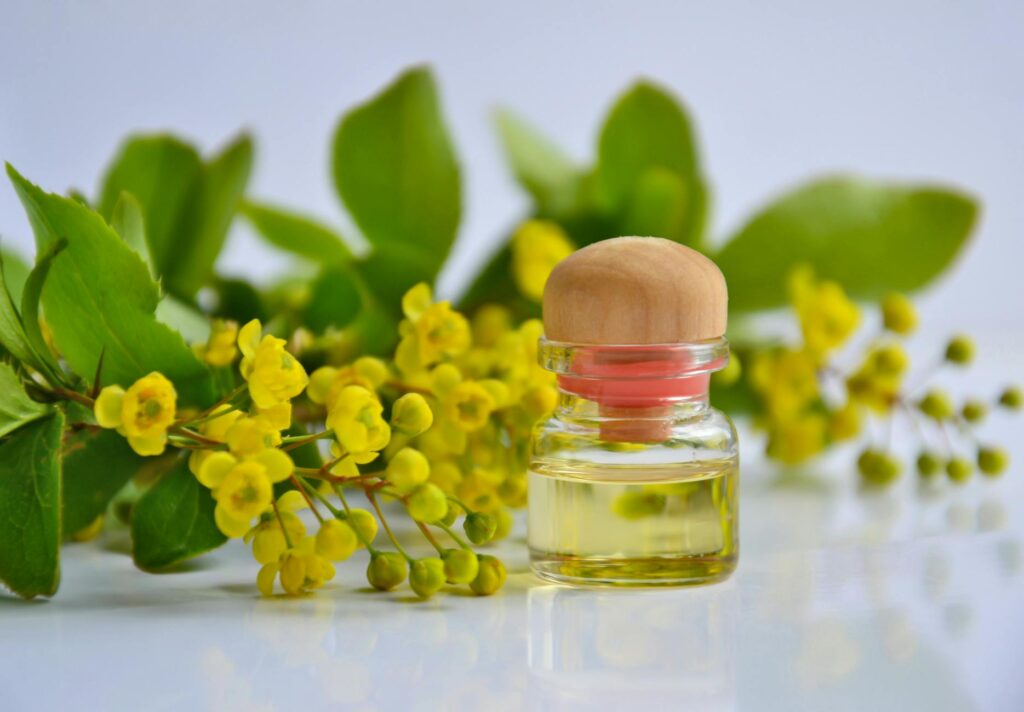
How Thyme Oil Is Used in Aromatherapy
Introduction
Aromatherapy, the practice of using essential oils for therapeutic purposes, has gained popularity in recent years as more individuals seek natural alternatives for wellness and relaxation. Among the myriad of essential oils available, thyme oil stands out due to its rich history and numerous potential benefits. This article delves into the characteristics of thyme oil, its key benefits, common uses, and applications in aromatherapy, while addressing safety considerations and storage.
What Is Thyme Oil?
Thyme oil is derived from the leaves and flowering tops of the Thymus vulgaris plant, a perennial herb belonging to the mint family (Lamiaceae). Known for its culinary uses, thyme has been utilized in traditional medicine for centuries. The essential oil is extracted primarily through steam distillation, capturing the plant’s volatile compounds and aromatic properties. The resulting oil is characterized by its warm, herbaceous scent with earthy undertones, making it a versatile addition to various aromatherapy practices.
Key Benefits and Properties
Thyme oil possesses numerous beneficial properties that contribute to its use in aromatherapy:
Antimicrobial Properties
Thyme oil is renowned for its potent antimicrobial properties, which can help combat a variety of pathogens. Research indicates that compounds such as thymol and carvacrol inhibit the growth of bacteria, fungi, and viruses, making it a popular choice for natural cleansing and purifying practices.
Antioxidant Effects
Rich in antioxidants, thyme oil can help neutralize free radicals in the body. This property is valuable for maintaining overall health and well-being by reducing oxidative stress.
Respiratory Support
Thyme oil may provide support for respiratory health. Its aromatic compounds can help open airways and promote easier breathing, making it beneficial during seasonal changes or periods of respiratory discomfort.
Mood Enhancer
The uplifting scent of thyme oil is often associated with mood enhancement. Its warm and herbaceous aroma can help alleviate feelings of stress and anxiety, contributing to emotional balance and mental clarity.
Digestive Aid
While primarily recognized for its aromatic qualities, thyme oil has also been used to support digestive health. Its potential to relieve discomfort and promote digestive function adds another dimension to its utility in aromatherapy.
Common Uses
Thyme oil has a wide range of applications, both in aromatherapy and beyond. Here are some of the common uses:
Culinary Applications
Thyme oil can be used in small amounts to enhance the flavor of various dishes. However, it is important to note that culinary use should be approached with caution, as essential oils are highly concentrated.
Household Cleaning
Due to its antimicrobial properties, thyme oil is often included in natural cleaning products. It can be added to homemade sprays or diffused in the air to purify spaces.
Personal Care Products
Thyme oil is also found in skincare products, particularly those aimed at addressing acne and other skin concerns. Its antimicrobial and anti-inflammatory properties make it a valuable ingredient in formulations.
Massage Therapy
In massage therapy, thyme oil can be blended with carrier oils to promote relaxation and relieve muscle tension. Its warming properties may enhance the overall experience.
Aromatherapy Applications
Thyme oil can be effectively utilized in various aromatherapy practices. Here are some popular methods of application:
Diffusion
One of the most common ways to experience the benefits of thyme oil is through diffusion. Adding a few drops to an essential oil diffuser can help disperse the aroma throughout a space, creating a calming environment that promotes relaxation and mental clarity.
Topical Application
When diluted with a carrier oil, thyme oil can be applied topically to specific areas of the body. This method is particularly effective for localized issues, such as muscle tension or skin irritation. A general guideline is to use a dilution of 2-5% thyme oil in a carrier oil.
Bath Soaks
Adding thyme oil to a warm bath can enhance the experience, providing a soothing and aromatic environment. The warm water, combined with the essential oil, can help relax muscles and promote overall well-being.
Inhalation
Inhaling thyme oil directly from the bottle or through steam inhalation can provide immediate relief for respiratory discomfort. This method allows the aromatic compounds to enter the body quickly, offering potential benefits for breathing.
Aromatherapy Blends
Thyme oil can be blended with other essential oils to create synergistic effects. For example, combining thyme oil with lavender or eucalyptus can enhance relaxation while also supporting respiratory function.
Safety Considerations
While thyme oil offers numerous benefits, it is essential to use it safely:
Skin Sensitivity
Thyme oil can be irritating to the skin if used undiluted. Always perform a patch test before applying it topically, and dilute it with a carrier oil to minimize the risk of irritation.
Pregnant and Nursing Women
Pregnant or nursing women should exercise caution when using thyme oil due to the lack of comprehensive research on its effects during these periods. Consulting with a healthcare provider before use is advisable.
Allergies and Sensitivities
Individuals with known allergies or sensitivities to thyme or other members of the Lamiaceae family should avoid using thyme oil. Always consult a qualified aromatherapist or healthcare professional if unsure.
Storage and Shelf Life
Proper storage of thyme oil is crucial for maintaining its potency and effectiveness. Here are some tips for storage:
- Keep It Cool: Store thyme oil in a cool, dark place away from direct sunlight and heat, as light and heat can degrade its quality.
- Use Dark Glass Containers: Essential oils are best stored in dark glass containers to protect them from light exposure.
- Seal Tightly: Ensure the bottle is tightly sealed to prevent oxidation and evaporation.
- Shelf Life: When stored properly, thyme oil typically has a shelf life of 2-3 years. However, it’s always best to check for changes in aroma or appearance before use.
Frequently Asked Questions
Can thyme oil be ingested?
While some essential oils are safe for ingestion, thyme oil should be used with caution. Always consult a healthcare professional before consuming any essential oil.
Is thyme oil safe for children?
Thyme oil is generally not recommended for use in children under the age of two. For older children, it is essential to dilute the oil appropriately and consult a healthcare professional.
How can I incorporate thyme oil into my daily routine?
Thyme oil can be incorporated into your daily routine through diffusion, topical application, or as an ingredient in homemade cleaning solutions or personal care products.
Are there any contraindications for using thyme oil?
Individuals with high blood pressure, pregnant or nursing women, and those with allergies to thyme or related plants should consult a healthcare professional before using thyme oil.
Can thyme oil help with stress and anxiety?
Many users report that the aroma of thyme oil can promote relaxation and alleviate feelings of stress and anxiety. However, individual experiences may vary, and it is advisable to experiment with different oils to find what works best for you.
Conclusion
Thyme oil is a versatile essential oil with a rich history and a variety of potential benefits in aromatherapy. Its antimicrobial properties, mood-enhancing effects, and versatility in applications make it a valuable addition to any aromatherapy collection. However, it is crucial to use thyme oil responsibly, keeping in mind safety considerations and proper storage practices. By understanding how to best utilize thyme oil, individuals can enhance their well-being and enrich their aromatherapy experiences.