
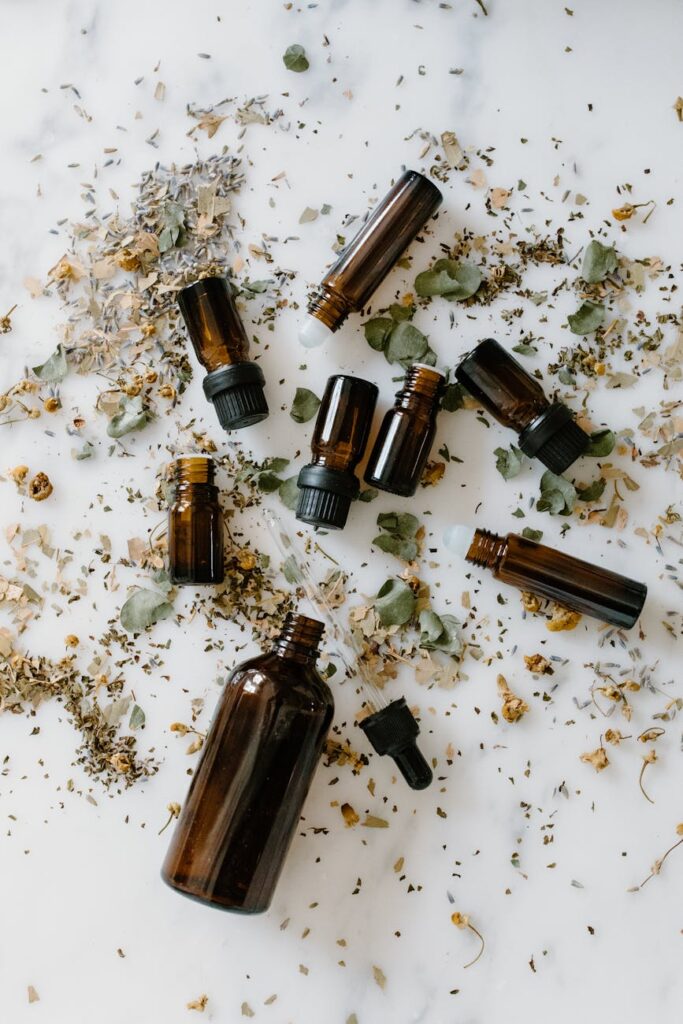
How to Use Aromatherapy Blends for Anti-Inflammation
Introduction
Aromatherapy, a practice that uses essential oils derived from plants, has gained popularity for its potential therapeutic benefits, including anti-inflammatory properties. This article explores how aromatherapy blends can be utilized to support overall well-being, particularly in reducing inflammation. By understanding the properties, applications, and safety considerations of these blends, individuals can integrate aromatherapy into their wellness routines effectively.
What Is Aromatherapy Blends for Anti-Inflammation?
Aromatherapy blends for anti-inflammation are combinations of essential oils specifically chosen for their potential to reduce or alleviate inflammatory responses in the body. Inflammation can manifest in various forms, including redness, swelling, pain, and heat, often as a response to injury or infection. While essential oils cannot replace medical treatments, they can be a complementary approach to support overall wellness.
Essential oils used in these blends are typically extracted from various parts of plants, including leaves, flowers, stems, and roots, and possess unique chemical compositions that contribute to their therapeutic benefits. Blending these oils enhances their properties and can create a more effective aromatic experience.
Key Benefits and Properties
The essential oils commonly included in anti-inflammatory blends possess distinct properties that can contribute to their effectiveness:
1. Anti-Inflammatory: Essential oils like lavender, chamomile, and ginger contain compounds that may help reduce inflammation at the cellular level.
2. Analgesic: Oils such as peppermint and eucalyptus can provide pain relief, complementing the anti-inflammatory effects of other oils.
3. Relaxation and Stress Relief: Chronic inflammation is often linked to stress; oils like bergamot and frankincense are known for their calming effects, which may indirectly support inflammation reduction.
4. Antioxidant: Many essential oils, like rosemary and thyme, have antioxidant properties that help combat oxidative stress, a contributor to inflammation.
Common Uses
Aromatherapy blends for anti-inflammation can be applied in various ways, depending on individual preferences and needs. Common uses include:
1. Topical Application: Diluting essential oils in a carrier oil and applying them to specific areas of the body can target localized inflammation, such as sore muscles or joint pain.
2. Inhalation: Diffusing essential oils or inhaling them directly from the bottle can provide systemic benefits, promoting relaxation and reducing stress.
3. Bath Soaks: Adding essential oils to bath water creates a soothing experience that can help alleviate tension and inflammation throughout the body.
4. Massage: Incorporating anti-inflammatory blends into massage oils can enhance the therapeutic effects of bodywork, promoting relaxation and easing discomfort.
Aromatherapy Applications
To effectively use aromatherapy blends for anti-inflammation, consider the following applications:
1. Topical Blends
When creating topical blends, it is essential to dilute essential oils in a carrier oil, such as sweet almond oil, jojoba oil, or coconut oil. A typical dilution ratio is 2-5% essential oil to carrier oil. Here are a few suggested blends:
- Sore Muscle Blend: Combine 2 drops of peppermint oil, 2 drops of lavender oil, and 4 drops of carrier oil. Massage into sore muscles for relief.
- Joint Pain Blend: Mix 3 drops of ginger oil, 2 drops of eucalyptus oil, and 5 drops of carrier oil. Apply to aching joints for a soothing effect.
- Calming Diffuser Blend: Combine 4 drops of chamomile oil, 3 drops of frankincense oil, and 3 drops of lavender oil. Diffuse in a room to promote relaxation and reduce stress.
- Soothing Bath Blend: Mix 4 drops of lavender oil, 3 drops of bergamot oil, and 1 tablespoon of carrier oil. Add to a warm bath and soak for at least 20 minutes.
- Relaxing Massage Blend: Combine 5 drops of chamomile oil, 3 drops of ginger oil, and 2 tablespoons of carrier oil. Use during a gentle massage to alleviate discomfort.
- Dark Glass Containers: Store essential oils in dark glass bottles to protect them from light, which can cause oxidation.
- Cool, Dry Place: Keep oils in a cool, dry area, away from direct sunlight and heat sources.
- Shelf Life: The shelf life of essential oils varies, but most can last from 1 to 3 years when stored properly. Citrus oils tend to have shorter shelf lives, while oils like patchouli may improve with age.
2. Diffusion
Using a diffuser to disperse essential oils into the air can enhance the therapeutic atmosphere. For an anti-inflammatory blend, consider the following formula:
3. Bath Blends
Adding essential oils to a warm bath can provide both physical and emotional relief. Here’s a simple bath blend:
4. Massage Oils
Creating a massage oil can enhance relaxation and relieve tension. A simple recipe includes:
Safety Considerations
While aromatherapy is generally considered safe, it is essential to take precautions to minimize any risks:
1. Dilution: Always dilute essential oils before applying them to the skin to avoid irritation or allergic reactions.
2. Patch Test: Conduct a patch test on a small area of the skin to check for any adverse reactions before using a new blend more widely.
3. Pregnancy and Nursing: Some essential oils may not be suitable for pregnant or nursing women. It is advisable to consult a qualified aromatherapist or healthcare provider.
4. Medical Conditions: Individuals with existing health conditions or those taking medications should seek guidance before using essential oils, as some may interact with medications.
5. Quality of Oils: Use high-quality, pure essential oils from reputable sources to ensure safety and efficacy.
Storage and Shelf Life
Proper storage of essential oils is crucial to maintain their potency and prevent degradation. Follow these guidelines:
Frequently Asked Questions
1. Can I use essential oils for inflammation without medical advice?
While many individuals use essential oils for general wellness, it is advisable to consult with a healthcare provider, particularly if you have existing health conditions or are taking medications.
2. How often can I use aromatherapy blends?
The frequency of use can vary based on individual preferences and responses. Generally, using essential oils in moderation—such as a few times a week—is recommended.
3. Are there any essential oils I should avoid?
Certain oils, such as wintergreen and clove, may be more potent and require caution. Always research specific oils and consult a professional if unsure.
4. Can I create my own blends?
Yes, blending your essential oils can be a rewarding experience. Start with small batches and take note of your preferences and reactions to create a personalized blend.
5. What should I do if I experience irritation?
If you experience any irritation or adverse reactions, discontinue use immediately and wash the area with soap and water. If symptoms persist, consult a healthcare provider.
Conclusion
Aromatherapy blends for anti-inflammation offer a holistic approach to supporting wellness. By understanding the properties, applications, and safety considerations, individuals can effectively incorporate these blends into their daily routines. While aromatherapy is not a substitute for medical treatment, it can complement a holistic wellness strategy, promoting relaxation and reducing discomfort associated with inflammation. As always, approach the use of essential oils with mindfulness and care, ensuring a safe and enriching experience.