
How to Use Aromatherapy Blends for Anxiety
Introduction
Aromatherapy, the practice of using essential oils derived from plants for therapeutic purposes, has gained significant popularity in recent years, especially for managing stress and anxiety. Among the myriad of essential oils available, specific blends have been formulated to target anxiety, providing a natural, holistic approach to emotional well-being. This article explores the concept of aromatherapy blends for anxiety, their benefits, common uses, applications, safety considerations, storage, and answers to frequently asked questions.
What Are Aromatherapy Blends for Anxiety?
Aromatherapy blends for anxiety are combinations of essential oils specifically selected for their calming and soothing properties. Essential oils, extracted from various parts of plants, can influence mood and emotional states through their scent and chemical composition. Blends for anxiety often include oils such as lavender, chamomile, bergamot, and frankincense, each contributing unique qualities to alleviate feelings of stress and tension. When used appropriately, these blends can promote relaxation, enhance mood, and support emotional balance.
Key Benefits and Properties
The key benefits of aromatherapy blends for anxiety stem from the unique properties of individual essential oils. Here are some common oils and their associated benefits:
1. Lavender (Lavandula angustifolia): Renowned for its calming effects, lavender oil is often used to reduce feelings of anxiety and promote restful sleep.
2. Bergamot (Citrus bergamia): This citrus oil is known for its uplifting properties, helping to alleviate stress and enhance mood.
3. Roman Chamomile (Chamaemelum nobile): Chamomile is often used for its soothing effects, making it a popular choice for those experiencing anxiety.
4. Frankincense (Boswellia carterii): Known for its grounding properties, frankincense can help promote a sense of peace and tranquility.
5. Ylang Ylang (Cananga odorata): This floral oil is recognized for its ability to balance emotions and promote relaxation.
6. Clary Sage (Salvia sclarea): Clary sage is often used to help reduce stress and promote mental clarity.
The combined effects of these oils can create a synergistic blend that enhances their individual benefits, making them particularly effective for managing anxiety.
Common Uses
Aromatherapy blends for anxiety can be used in various ways, depending on individual preferences and circumstances. Here are some common applications:
- Diffusion: Adding essential oil blends to a diffuser allows for the gradual release of calming aromas into the air, creating a tranquil environment.
- Topical Application: Diluting essential oils in a carrier oil (such as jojoba or sweet almond oil) for topical use on pulse points (e.g., wrists, neck) can provide immediate relief.
- Inhalation: Inhaling the aroma directly from the bottle or using a personal inhaler can quickly help alleviate feelings of anxiety.
- Bathing: Adding a few drops of an anxiety-relieving blend to a warm bath can create a soothing experience and promote relaxation.
- Massage: Incorporating aromatherapy blends into massage oils can enhance the therapeutic effects of massage, helping to relieve physical tension and emotional stress.
- Dilution: Always dilute essential oils before applying them to the skin to prevent irritation.
- Sensitivity: Conduct a patch test prior to widespread use to check for allergic reactions or sensitivities.
- Pregnancy and Nursing: Pregnant or nursing individuals should consult a qualified professional before using essential oils, as some oils may not be safe during this time.
- Pre-existing Conditions: Consult a healthcare provider if you have pre-existing health conditions, particularly respiratory issues or skin sensitivities.
- Children and Pets: Some essential oils may not be suitable for children or pets. Research specific oils before use.
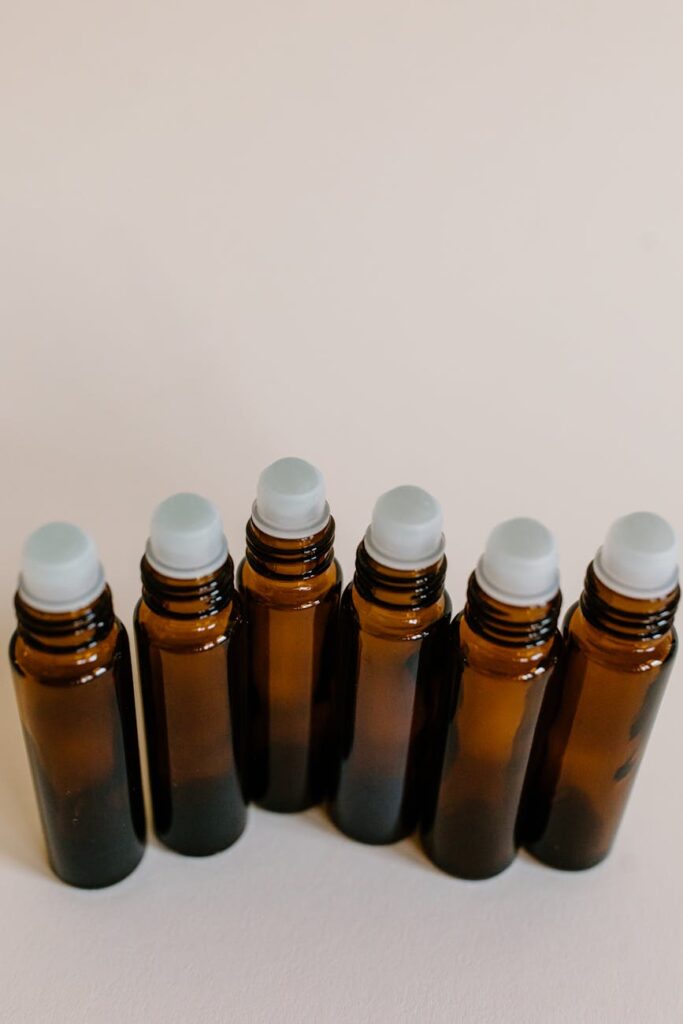
- Container: Store essential oils in dark glass bottles to protect them from light, which can degrade their quality.
- Location: Keep oils in a cool, dry place, away from direct sunlight and heat sources.
- Shelf Life: Most essential oils have a shelf life of 1 to 3 years, depending on the oil. Citrus oils tend to have a shorter shelf life, while oils like patchouli and sandalwood may last longer.
Aromatherapy Applications
Diffusion
In a well-ventilated space, add a few drops of an anxiety-relieving blend to a diffuser filled with water. Turn on the device and allow the aroma to circulate throughout the room. This method is particularly effective in creating a calming atmosphere during meditation or relaxation practices.
Topical Application
To apply essential oils topically, it is crucial to dilute them in a carrier oil. A common dilution ratio is 2-3 drops of essential oil to 1 teaspoon of carrier oil. Apply this mixture to pulse points or areas of tension, such as the shoulders or neck. Always perform a patch test on a small area of skin to check for sensitivity.
Inhalation
For quick relief, inhale directly from the bottle or use a personal inhaler designed for essential oils. This method allows for immediate access to the calming effects of the oils.
Bathing
Create a serene bathing experience by adding 5-10 drops of the anxiety blend to a warm bath. The heat will help disperse the oils while the water provides a soothing environment.
Massage
When using essential oils for massage, mix a few drops of your chosen blend with a carrier oil, such as coconut or olive oil. Gently massage the mixture onto the body, focusing on areas of tension. This application not only provides the benefits of aromatherapy but also enhances relaxation through touch.
Safety Considerations
While aromatherapy is generally considered safe, certain precautions should be taken:
Storage and Shelf Life
Proper storage of essential oils is essential to maintain their efficacy. Here are some guidelines:
Frequently Asked Questions
1. Can aromatherapy blends for anxiety be used daily?
Yes, many individuals find that using aromatherapy blends daily helps maintain a sense of calm and balance. However, it is essential to vary the oils used to prevent sensitivity.
2. How often should I use aromatherapy blends for anxiety?
Usage frequency can vary based on individual needs and preferences. Some may benefit from using the blends several times a day, while others may find that occasional use is sufficient.
3. Are there any side effects associated with using essential oils for anxiety?
While essential oils are generally safe when used properly, some individuals may experience allergic reactions or skin irritation. Always perform a patch test and discontinue use if any adverse reactions occur.
4. Can I create my own blends for anxiety?
Absolutely! Creating personalized blends can be a rewarding experience. Start with a base oil and add a few drops of your chosen essential oils, adjusting the ratios to suit your preferences.
5. Is it necessary to consult a professional before using aromatherapy for anxiety?
While many individuals use aromatherapy blends safely, consulting a qualified practitioner can provide tailored advice, especially for those with existing health conditions or those who are pregnant or nursing.
Conclusion
Aromatherapy blends for anxiety offer a natural and holistic approach to managing emotional well-being. By understanding the properties, applications, and safety considerations associated with essential oils, individuals can effectively incorporate these soothing blends into their daily routines. While aromatherapy can provide significant benefits, it is essential to remember that it is one aspect of a comprehensive approach to emotional health, and seeking professional guidance may enhance the overall experience.