
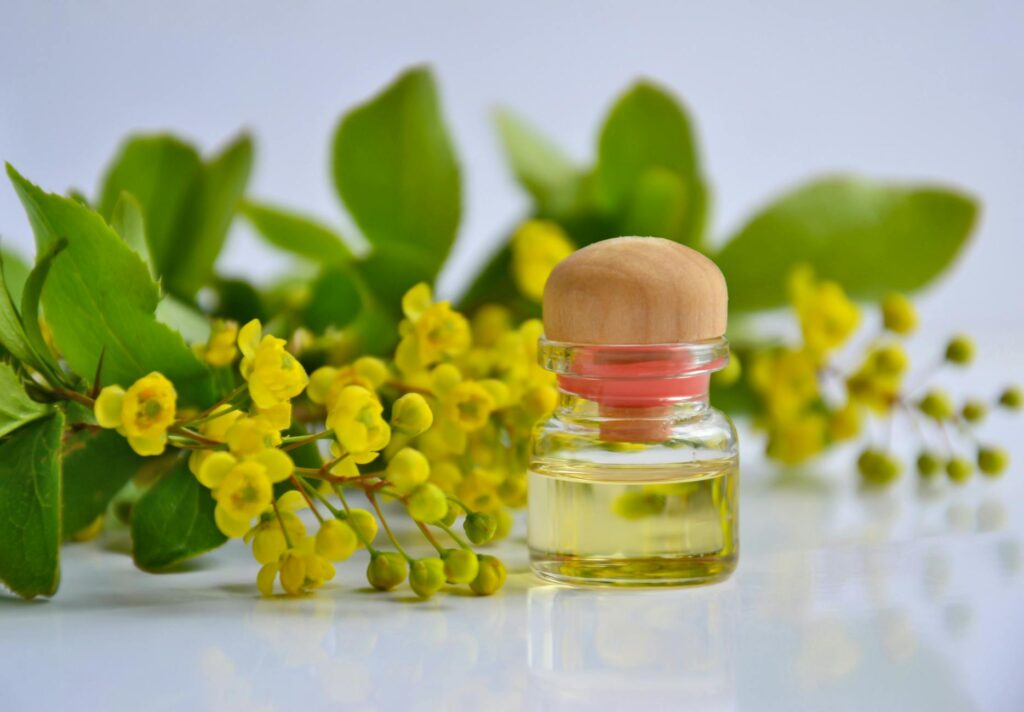
How to Use Aromatherapy Blends for Emotional Balance
Introduction
In the fast-paced world we live in, emotional balance is often hard to achieve. Many individuals seek holistic approaches to enhance their mental and emotional well-being. One such approach is the use of aromatherapy blends. Utilizing essential oils derived from plants, aromatherapy blends can play a significant role in fostering emotional equilibrium. This article explores the concept of aromatherapy blends specifically designed for emotional balance, their benefits, common applications, and safety considerations.
What Are Aromatherapy Blends for Emotional Balance?
Aromatherapy blends are combinations of various essential oils formulated to address specific emotional needs. Each essential oil possesses unique properties and effects on the mind and body, and when blended thoughtfully, they can create synergistic effects that promote emotional stability.
For emotional balance, aromatherapy blends often incorporate oils that are known for their calming, uplifting, or grounding qualities. Examples include lavender for relaxation, bergamot for uplifting mood, and frankincense for grounding. These oils can be mixed in various proportions to create a personalized blend that resonates with an individual’s emotional state.
Key Benefits and Properties
Aromatherapy blends for emotional balance offer several benefits:
1. Stress Relief
Certain essential oils, such as chamomile and ylang-ylang, are known for their calming effects, which can help alleviate stress and anxiety.
2. Mood Enhancement
Citrus oils, including orange and lemon, are often uplifting and can help improve mood, making them popular choices in emotional balance blends.
3. Grounding Effects
Oils like cedarwood and vetiver can promote feelings of stability and grounding, which is particularly beneficial during times of emotional upheaval.
4. Emotional Release
Some oils, such as geranium and rose, are believed to assist in emotional release, allowing individuals to process feelings rather than suppress them.
5. Support for Mindfulness
The aromatic qualities of essential oils can anchor individuals in the present moment, supporting practices like meditation or mindfulness.
Common Uses
Aromatherapy blends for emotional balance can be used in various ways. Some common uses include:
1. Diffusion
Using an essential oil diffuser is one of the most popular methods. By adding a few drops of a blend to a diffuser, the oils disperse into the air, allowing individuals to inhale the aromatic compounds.
2. Topical Application
Blending essential oils with a carrier oil, such as jojoba or coconut oil, enables topical application. This method allows for direct skin absorption, which can have localized effects.
3. Bathing
Incorporating aromatherapy blends into bathwater can create a calming and soothing experience. It is advisable to dilute the oils in a carrier oil or an emulsifier before adding them to bathwater.
4. Inhalation
Direct inhalation can also be effective. Placing a few drops of the blend on a cotton ball or tissue and inhaling can provide immediate emotional relief.
5. Personal Inhalers
Creating a personal inhaler allows individuals to carry their favorite blends and use them as needed throughout the day.
Aromatherapy Applications
Creating Your Own Blend
Creating a personalized aromatherapy blend for emotional balance can be a rewarding experience. Here’s how to create your blend:
1. Choose Your Essential Oils: Select a few oils that resonate with your emotional needs. A balanced blend typically consists of a base, middle, and top note.
2. Determine the Ratio: A common ratio for a small batch is 3:5:2 (base:middle:top). For example, if you choose cedarwood (base), lavender (middle), and bergamot (top), use three drops of cedarwood, five drops of lavender, and two drops of bergamot.
3. Mix with a Carrier Oil: For topical applications, mix the essential oils with a carrier oil at a dilution rate of 1-5% (i.e., about 6-30 drops of essential oil per ounce of carrier oil).
4. Test and Adjust: Allow the blend to sit for a day and then test. You can adjust the ratios based on your preferences.
Popular Blends for Emotional Balance
Here are a few suggested blends that are commonly used for emotional balance:
1. Calm and Relax: Lavender, chamomile, and sandalwood.
2. Uplifting Joy: Sweet orange, bergamot, and frankincense.
3. Grounding Serenity: Cedarwood, vetiver, and clary sage.
Safety Considerations
While aromatherapy blends can provide emotional support, it is crucial to consider safety:
1. Dilution
Always dilute essential oils before topical application to avoid skin irritation. A general guideline is to use a carrier oil for dilution.
2. Patch Test
Conduct a patch test on a small skin area before using a new blend extensively. This helps in identifying any adverse reactions.
3. Pregnancy and Medical Conditions
Certain essential oils may not be suitable for pregnant individuals or those with specific medical conditions. It is essential to research or consult professionals regarding specific oils.
4. Quality of Oils
Using high-quality, pure essential oils is important for safety and efficacy. Look for reputable suppliers who provide information about the source and purity of their products.
5. Keep Away from Sensitive Areas
Avoid contact with sensitive areas such as the eyes and mucous membranes, and do not ingest essential oils unless under professional guidance.
Storage and Shelf Life
Proper storage is crucial for preserving the efficacy of essential oils:
1. Storage Conditions
Essential oils should be stored in a cool, dark place away from direct sunlight and heat sources. This helps maintain their potency.
2. Container Type
Use dark glass containers, as they protect oils from light exposure, which can degrade their quality.
3. Shelf Life
Most essential oils have a shelf life of 1-3 years, depending on the type. Citrus oils may have a shorter shelf life due to their chemical composition.
Frequently Asked Questions
1. Can I use aromatherapy blends in a candle?
While it is possible to use essential oils in candles, it is important to use oils that are safe for burning and to adhere to recommended concentrations to avoid harmful smoke.
2. How often can I use my aromatherapy blend?
The frequency of use can depend on individual preference and sensitivity. Generally, using a blend several times a day is acceptable as long as it is diluted appropriately.
3. Are there any essential oils to avoid?
Yes, some essential oils are known to be phototoxic or irritating. Oils like bergamot and citrus oils should be used with caution, particularly before sun exposure.
4. Can children use aromatherapy blends?
Certain essential oils may not be suitable for children. It is essential to research specific oils and consult guidelines or a qualified professional.
5. What if I don’t like the smell of a blend?
Personal preference plays a significant role in aromatherapy. If a blend does not resonate with you, feel free to experiment with different oils or ratios until you find one that feels right.
Conclusion
Aromatherapy blends can be a valuable tool for fostering emotional balance in our daily lives. By understanding the properties and uses of various essential oils, individuals can create personalized blends tailored to their emotional needs. With careful attention to safety and quality, the practice of aromatherapy can enhance overall well-being, offering a natural approach to achieving emotional equilibrium.