
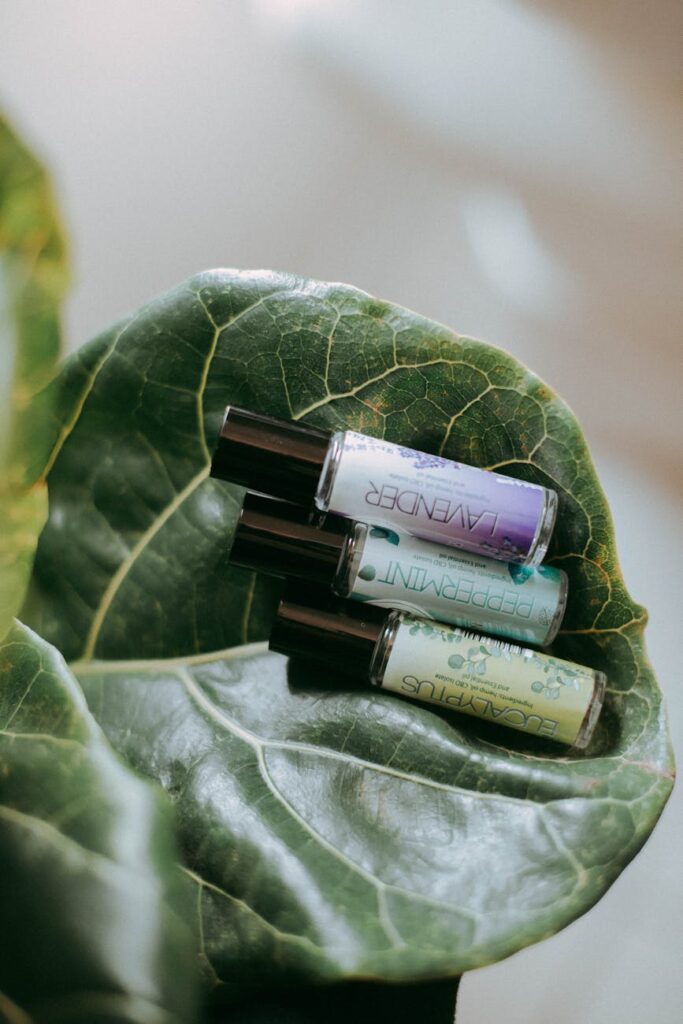
How to Use Aromatherapy Blends for Enhanced Creativity
Introduction
In a world brimming with distractions and constant demands on our attention, the quest for creativity can often feel like a challenging endeavor. Aromatherapy, an ancient practice that harnesses the power of essential oils, has gained traction among those seeking to unlock their creative potential. This article explores how aromatherapy blends can be used to enhance creativity, discussing their benefits, applications, and safety considerations.
What Are Aromatherapy Blends for Enhanced Creativity?
Aromatherapy blends are combinations of essential oils formulated to stimulate the senses and evoke specific emotional or psychological responses. When it comes to enhancing creativity, certain essential oils are known for their ability to inspire, uplift, and foster a sense of openness. By combining these oils in a thoughtful manner, individuals can create blends tailored to their unique creative processes.
Creativity is often associated with a relaxed yet alert state of mind, where ideas flow freely, and one feels empowered to explore new concepts. Aromatherapy blends can help achieve this state by engaging the olfactory system, which is closely linked to emotions and memory.
Key Benefits and Properties
Aromatherapy blends for creativity may offer several benefits:
1. Mood Enhancement: Certain essential oils have uplifting properties that can help reduce feelings of anxiety or self-doubt, fostering a positive mindset conducive to creativity.
2. Mental Clarity: Oils like rosemary and peppermint are believed to enhance focus and concentration, aiding in the clarity of thought necessary for creative endeavors.
3. Stress Relief: Creativity often flourishes in a relaxed environment. Oils such as lavender and chamomile can promote relaxation, helping to ease tension and mental blocks.
4. Inspiration: Some essential oils are thought to stimulate imagination and innovative thinking. Citrus oils, for example, can evoke feelings of joy and spontaneity.
5. Enhanced Intuition: Certain blends may help individuals tap into their intuition and subconscious, which is vital for creative expression.
Common Uses
Aromatherapy blends can be utilized in various ways to enhance creativity:
1. Diffusion: Using an essential oil diffuser is one of the most popular methods. The gentle release of aromatic compounds into the air creates a fragrant environment that can inspire creativity.
2. Topical Application: Diluting essential oils in carrier oils and applying them to pulse points can provide a more personal and immediate effect.
3. Inhalation: Directly inhaling the scent of essential oils from a bottle or cotton ball can quickly evoke emotional responses and stimulate creative thinking.
4. Baths and Showers: Adding essential oils to bathwater or using shower gels infused with oils can create a calming atmosphere that encourages relaxation and creativity.
5. Creative Spaces: Incorporating aromatherapy blends into your workspace can help create an environment that is conducive to inspiration and productivity.
Aromatherapy Applications
When creating aromatherapy blends for creativity, consider the following essential oils known for their inspiring properties:
Uplifting Oils
- Bergamot: This citrus oil is celebrated for its mood-lifting qualities and can promote feelings of joy and optimism.
- Lemon: Fresh and invigorating, lemon oil is known to stimulate the mind and promote clarity.
- Cedarwood: This woodsy oil can provide a grounding effect, helping to center the mind and encourage deep thinking.
- Patchouli: Often associated with emotional balance, patchouli can help anchor creative thoughts.
- Peppermint: Renowned for its invigorating scent, peppermint can enhance focus and alertness, making it easier to brainstorm ideas.
- Rosemary: This herbaceous oil is believed to improve memory and mental clarity, essential for creative tasks.
- Lavender: Well-known for its calming properties, lavender can help reduce anxiety and create a peaceful environment for creativity.
- Frankincense: Often used in meditation, frankincense can promote a sense of calm while enhancing spiritual awareness.
Grounding Oils
Stimulating Oils
Soothing Oils
Safety Considerations
While essential oils are natural, they must be used with caution. Here are some safety considerations to keep in mind:
1. Dilution: Always dilute essential oils with a carrier oil (such as jojoba, sweet almond, or coconut oil) before applying them to the skin to prevent irritation.
2. Allergies and Sensitivities: Conduct a patch test by applying a small amount of diluted oil to your skin to check for any adverse reactions before widespread use.
3. Pregnancy and Health Conditions: Certain essential oils may not be suitable for pregnant women or individuals with specific health conditions. Always consult a knowledgeable source if unsure.
4. Quality of Oils: Opt for high-quality, pure essential oils from reputable suppliers to ensure you are not using synthetic or adulterated products.
5. Ventilation: Ensure proper ventilation when diffusing essential oils to prevent overwhelming scents that could lead to headaches or nausea.
Storage and Shelf Life
Proper storage of essential oils is crucial for maintaining their potency and effectiveness:
1. Dark Glass Containers: Store essential oils in dark glass bottles to protect them from light, which can degrade their quality.
2. Cool, Dry Place: Keep oils away from heat and humidity, as these factors can also affect their stability.
3. Shelf Life: Most essential oils have a shelf life of 1-3 years, depending on the type. Citrus oils tend to have a shorter shelf life compared to woody oils.
4. Labeling: Always label your blends with the ingredients and the date they were made for easy reference.
Frequently Asked Questions
Can aromatherapy blends really enhance creativity?
Many users report that certain scents can help them feel more inspired, relaxed, or focused. While scientific research on this topic is ongoing, anecdotal evidence suggests that aromatherapy can create an environment conducive to creative thinking.
How do I choose the right blend for my creative needs?
Consider what aspects of creativity you wish to enhance. For example, if you need to focus, you might choose stimulating oils like peppermint and rosemary. If you’re looking to relax and let ideas flow, consider using calming oils like lavender and bergamot.
How often should I use aromatherapy blends?
Frequency can vary based on personal preference. Many individuals find that using aromatherapy blends during specific creative tasks, such as writing or brainstorming, can be particularly effective.
Are there any essential oils I should avoid?
Certain essential oils can be irritating to the skin or have contraindications for specific groups (e.g., pregnant women). Always research and consult reliable sources before using a new oil.
Can I create my own aromatherapy blends?
Yes! Experimenting with different essential oils to find a blend that resonates with you can be a rewarding experience. Start with a few oils that you enjoy and gradually build your blend.
Conclusion
Aromatherapy blends offer a unique and holistic approach to enhancing creativity. By understanding the properties and potential benefits of different essential oils, individuals can create personalized blends that foster inspiration, clarity, and relaxation. As you explore the world of aromatherapy, remember to prioritize safety and quality, allowing the rich tapestry of scents to guide you on your creative journey.