
How to Use Aromatherapy Blends for Enhanced Mindfulness
Introduction
In today’s fast-paced world, the pursuit of mindfulness has gained significant attention as a means to enhance well-being and cultivate a deeper connection to oneself and the environment. Aromatherapy, the practice of using natural plant extracts to promote physical and emotional health, offers a unique approach to mindfulness through the use of essential oil blends. This article explores how to effectively use aromatherapy blends for enhanced mindfulness, providing insights into their benefits, applications, and safety considerations.
What Is Aromatherapy Blends for Enhanced Mindfulness?
Aromatherapy blends are carefully curated combinations of essential oils derived from plants, flowers, and trees. These blends are designed to evoke specific emotional responses and foster a sense of calm, clarity, or focus. When used mindfully, these aromas can serve as powerful anchors in the present moment, facilitating a deeper awareness of one’s thoughts and feelings. The practice of blending essential oils allows for personalized experiences tailored to individual needs, making it a versatile tool for enhancing mindfulness.
Key Benefits and Properties
Emotional Well-Being
Aromatherapy blends can have profound effects on emotional health. Certain essential oils are known to reduce anxiety, promote relaxation, and uplift mood. For example, oils like lavender and bergamot are celebrated for their calming properties, while citrus oils such as orange and lemon can invigorate the spirit.
Cognitive Enhancement
Certain essential oils are believed to improve focus, memory, and cognitive function. Oils like rosemary and peppermint are traditionally associated with mental clarity and alertness, making them excellent choices for enhancing concentration during mindfulness practices.
Stress Reduction
Incorporating aromatherapy into mindfulness practices can significantly reduce stress levels. The inhalation of soothing scents can trigger the brain’s relaxation response, helping individuals manage daily stressors more effectively.
Physical Relaxation
The act of inhaling calming scents can also promote physical relaxation, which is essential for achieving a mindful state. Oils such as chamomile and ylang-ylang are often included in blends aimed at relieving tension and fostering a sense of peace.
Common Uses
Meditation and Yoga
Aromatherapy blends can enhance meditation and yoga practices by creating an inviting atmosphere and promoting relaxation. Many practitioners use essential oils to anchor their awareness and support their focus during these activities.
Mindfulness Exercises
Incorporating fragrant blends into mindfulness exercises, such as breathing techniques or body scans, can help deepen the experience. The sensory aspect of smell can ground individuals in the present moment, making it easier to connect with their thoughts and feelings.
Daily Rituals
Integrating aromatherapy into daily routines, such as morning or evening rituals, can foster a consistent mindfulness practice. Using essential oils during activities like journaling, reading, or even cooking can enhance presence and awareness.
Aromatherapy Applications
Diffusion
One of the most popular methods of using essential oil blends is through diffusion. A diffuser disperses the essential oils into the air, creating an aromatic environment that encourages mindfulness. For best results, choose a blend that resonates with your intentions for the session—calming, invigorating, or grounding.
Inhalation
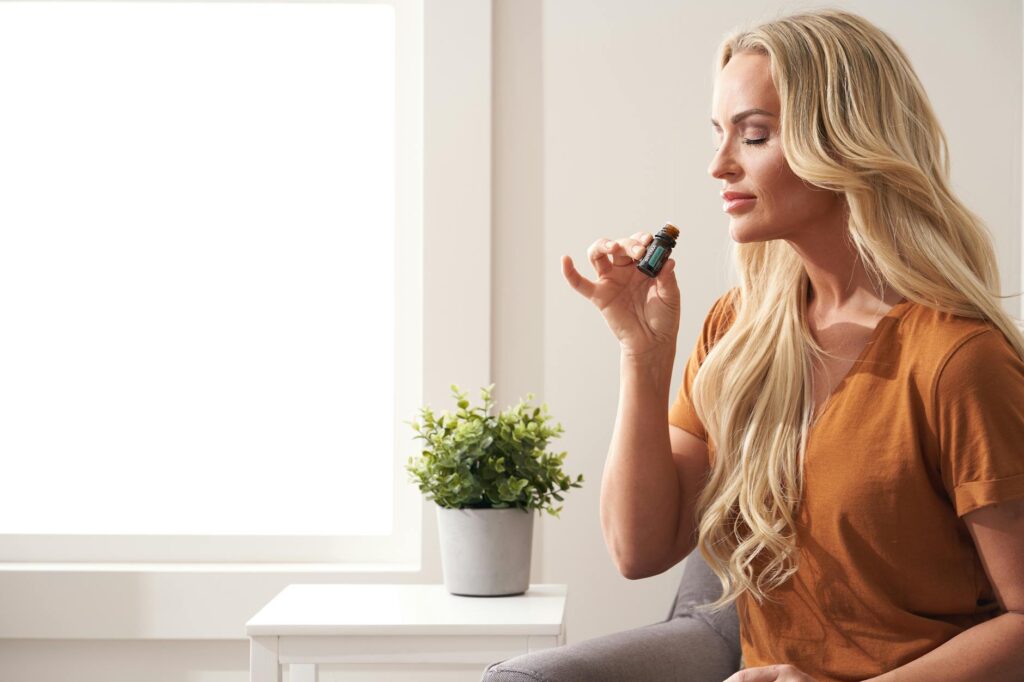
Inhaling essential oils directly from the bottle or a cotton ball can provide immediate sensory stimulation. This method is particularly useful when a quick moment of mindfulness is needed. Simply take a deep breath in while focusing on the aroma, allowing it to guide your awareness back to the present.
Topical Application
When diluted with a carrier oil, essential oils can be applied to pulse points, such as wrists or temples. This method not only allows for the benefits of aromatherapy but also incorporates the calming effects of touch. Always ensure that the blend is safe for topical use before applying it to the skin.
Bathing
Adding aromatherapy blends to bathwater offers a luxurious and immersive experience. The combination of warm water and essential oils can create an environment conducive to relaxation and reflection.
Sprays and Mists
Creating an aromatherapy spray can provide a portable option for enhancing mindfulness throughout the day. Mixing essential oils with water in a spray bottle allows for easy application in various settings, such as your workspace or living area.
Safety Considerations
While aromatherapy is generally considered safe, it is essential to adhere to certain guidelines to ensure a positive experience:
- Dilution: Always dilute essential oils with a carrier oil before applying them to the skin. This helps prevent skin irritation and enhances absorption.
- Quality of Oils: Use high-quality, pure essential oils from reputable sources. Adulterated or synthetic oils may not offer the same benefits and can sometimes cause adverse reactions.
- Sensitivity Testing: Conduct a patch test on a small area of skin before using a new blend to check for any allergic reactions.
- Pregnancy and Health Conditions: Pregnant individuals or those with specific health conditions should consult with a qualified professional before using essential oils.
- Children and Pets: Some essential oils can be harmful to children and pets. Always research and take precautions when using oils around them.
- Keep Away from Light: Store essential oils in dark glass bottles to protect them from UV light, which can degrade their properties.
- Cool, Dry Environment: Keep oils in a cool environment, away from heat sources, to preserve their integrity.
- Tightly Sealed: Ensure bottles are tightly sealed to prevent oxidation, which can alter the oil’s scent and effectiveness.
Storage and Shelf Life
To maintain the efficacy of essential oils, proper storage is crucial. Here are some tips to ensure longevity:
The shelf life of essential oils varies by type, but most oils can last anywhere from 1 to 5 years if stored correctly. Citrus oils tend to have a shorter shelf life, while resinous oils like frankincense can last much longer.
Frequently Asked Questions
Can anyone use aromatherapy blends?
Yes, aromatherapy can be used by most individuals. However, precautions should be taken for pregnant individuals, children, and pets.
How do I know which essential oils to use for mindfulness?
Choosing essential oils is a personal journey. Consider what emotions or states of mind you wish to cultivate and select oils that resonate with those intentions. Experimenting with different blends can help you discover what works best for you.
Are there any specific blends recommended for beginners?
Beginners may find blends containing lavender, sweet orange, or chamomile to be gentle and effective. These oils are well-known for their calming and uplifting properties.
How often can I use aromatherapy blends?
You can use aromatherapy blends as often as desired. Incorporating them into daily rituals or moments of mindfulness can enhance your experience without overwhelming your senses.
Is it necessary to use a diffuser for aromatherapy?
While diffusers are popular, they are not strictly necessary. You can use other methods such as inhalation, topical application, or sprays to enjoy the benefits of aromatherapy.
Conclusion
Aromatherapy blends present a powerful tool for enhancing mindfulness and emotional well-being. By understanding their properties, applications, and safety considerations, individuals can create personalized experiences that foster greater awareness and connection in their daily lives. As you embark on your aromatherapy journey, remember to explore various blends and practices, allowing the natural scents to guide you toward a more mindful existence.