
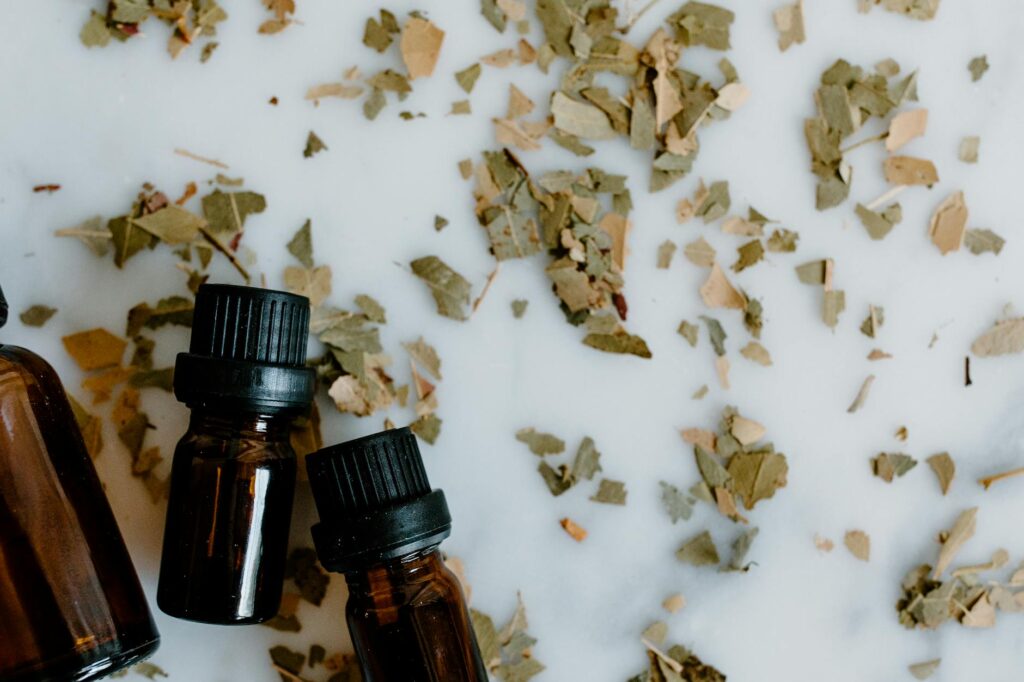
How to Use Aromatherapy Blends for Enhanced Respiratory Function
Introduction
Aromatherapy is an ancient practice that utilizes the aromatic properties of essential oils to promote physical and emotional well-being. Among its various applications, the use of aromatherapy blends for enhanced respiratory function is gaining attention. As respiratory health is crucial for overall wellness, understanding how to effectively use these blends can provide individuals with a natural approach to support their respiratory system. This article explores what aromatherapy blends for respiratory function are, their benefits, common uses, applications, safety considerations, and storage instructions.
What Is Aromatherapy Blends for Enhanced Respiratory Function?
Aromatherapy blends specifically targeting respiratory function typically consist of a combination of essential oils known for their supportive properties. These oils are derived from various plants and possess unique therapeutic qualities that can help ease breathing, promote relaxation, and facilitate overall respiratory health. Common essential oils used in these blends include eucalyptus, peppermint, tea tree, and lavender, among others.
When combined into a blend, these essential oils synergistically enhance their individual properties, creating a potent formulation that can be used in various ways to support respiratory function.
Key Benefits and Properties
1. Respiratory Relief
Certain essential oils are renowned for their ability to clear the airways, reduce mucus production, and promote easier breathing. For example, eucalyptus oil is known for its decongestant properties, making it a popular choice in respiratory blends.
2. Antimicrobial Properties
Some essential oils, such as tea tree and oregano, possess antimicrobial properties, which may help to combat respiratory infections. These oils can also purify the air, providing an additional layer of protection against airborne pathogens.
3. Anti-inflammatory Effects
Essential oils like peppermint and lavender have anti-inflammatory properties, which may help reduce inflammation in the respiratory tract and support overall lung health.
4. Stress Reduction
Aromatherapy is well-known for its ability to reduce stress and promote relaxation. Oils such as frankincense and chamomile can have calming effects, which may help alleviate anxiety and tension that can exacerbate respiratory issues.
Common Uses
1. Diffusion
One of the most popular ways to use aromatherapy blends is through diffusion. A diffuser disperses the essential oils into the air, allowing you to breathe in their aromatic compounds. This method is suitable for creating a calming atmosphere while also supporting respiratory function.
2. Inhalation
Inhalation involves placing a few drops of the essential oil blend onto a tissue or cotton ball and inhaling deeply. This method can provide immediate respiratory relief and is particularly useful during times of congestion or allergies.
3. Topical Application
Diluting essential oils with a carrier oil and applying them to the chest, throat, or back can provide localized relief. This method enables direct absorption into the skin and may enhance the blend’s effectiveness.
4. Bathing
Adding essential oil blends to bathwater can create a soothing experience that allows for both inhalation and topical absorption. The warm water helps to open the airways, enhancing the overall effect of the oils.
Aromatherapy Applications
1. Essential Oil Blends
When creating your own aromatherapy blend for respiratory support, consider the following essential oils:
- Eucalyptus: Known for its refreshing scent and decongestant properties.
- Peppermint: Offers a cooling sensation and can help clear the sinuses.
- Tea Tree: Provides antimicrobial support, making it suitable for respiratory blends.
- Lavender: Helps reduce stress and promotes relaxation, enhancing overall respiratory health.
- 5 drops of eucalyptus oil
- 5 drops of peppermint oil
- 3 drops of tea tree oil
- 3 drops of lavender oil
A simple recipe for an aromatherapy blend might include:
Combine these oils with a carrier oil for topical use or use them in a diffuser.
2. Inhalation Steams
Creating an inhalation steam can be an effective way to utilize essential oils for respiratory support. Fill a bowl with hot water, add a few drops of your chosen essential oil blend, and lean over the bowl with a towel draped over your head to trap the steam. Inhale deeply for several minutes.
3. Aromatherapy Roll-Ons
For on-the-go use, consider making a roll-on blend. Combine essential oils with a carrier oil in a small roller bottle. This allows for easy topical application whenever you need respiratory support.
Safety Considerations
While aromatherapy can be beneficial, it is essential to use essential oils safely:
1. Dilution
Always dilute essential oils in a carrier oil before applying them to the skin to prevent irritation. A common dilution ratio is 2-3 drops of essential oil per teaspoon of carrier oil.
2. Allergies
Before using a new essential oil, conduct a patch test to check for any allergic reactions. Apply a small amount of diluted oil to the inside of your wrist and wait for 24 hours to see if any irritation occurs.
3. Pregnancy and Children
Certain essential oils may not be suitable for pregnant women or young children. It is advisable to consult with a qualified aromatherapist or healthcare professional before using essential oils in these circumstances.
4. Quality of Oils
Choose high-quality essential oils from reputable sources. Look for oils that are labeled as 100% pure and free from synthetic additives.
Storage and Shelf Life
The proper storage of essential oils is crucial for maintaining their potency and effectiveness. Here are some guidelines:
1. Storage Conditions
Store essential oils in a cool, dark place, away from direct sunlight and heat. This helps to preserve their chemical composition and prevent degradation.
2. Container
Use dark glass containers for storage, as they protect the oils from light exposure. Ensure that the bottles are tightly sealed to prevent oxidation.
3. Shelf Life
The shelf life of essential oils varies depending on the type. Generally, most essential oils can last from 1 to 3 years if stored properly. Citrus oils tend to have a shorter shelf life, while oils like patchouli and sandalwood can last longer.
Frequently Asked Questions
1. How often can I use aromatherapy blends for respiratory support?
The frequency of use can vary based on individual preferences and needs. Generally, using the blends several times a day is acceptable, but pay attention to your body’s responses and adjust accordingly.
2. Can I use essential oils in my humidifier?
It is advisable to check the manufacturer’s guidelines before adding essential oils to a humidifier, as some devices may be damaged by oils. A diffuser designed for essential oils is usually a better option.
3. Are there any contraindications for using essential oils?
Always research each essential oil and its contraindications. Certain oils may interact with medications or medical conditions, so it is essential to be informed.
4. Can I use aromatherapy blends if I have allergies?
While some essential oils can support respiratory health, individual reactions may vary. Consult with a healthcare professional if you have allergies or specific concerns.
Conclusion
Aromatherapy blends for enhanced respiratory function offer a natural and holistic approach to supporting respiratory health. By understanding the benefits, applications, and safety considerations involved in using these blends, individuals can harness the power of essential oils to promote easier breathing and overall well-being. As with any wellness practice, knowledge and caution are key to effectively incorporating aromatherapy into your lifestyle.