
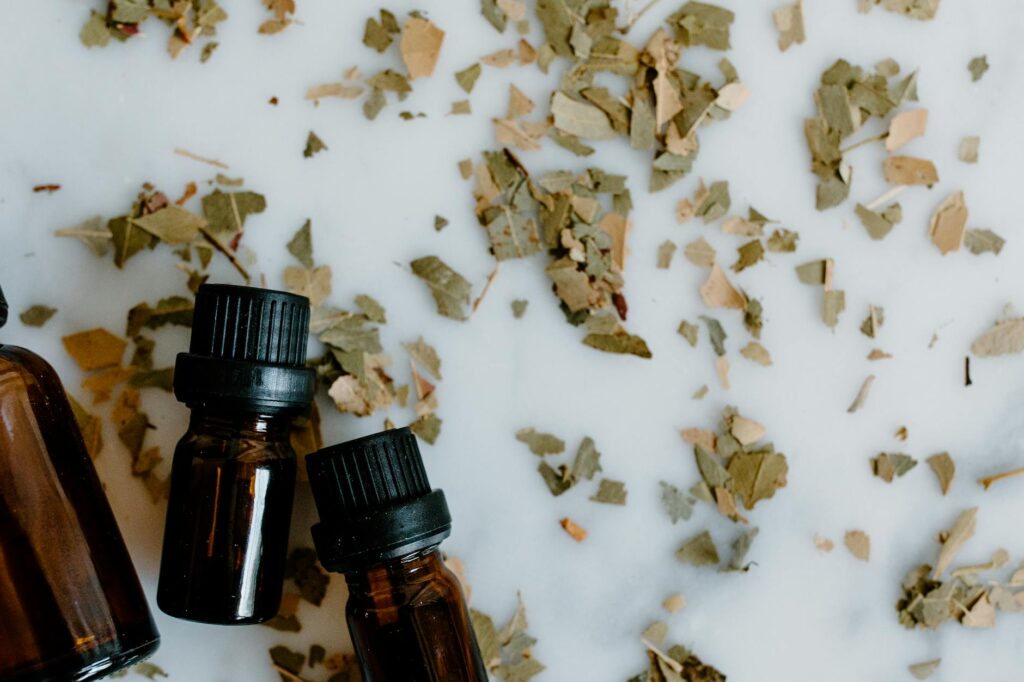
How to Use Aromatherapy Blends for Hormonal Health
Introduction
Aromatherapy, the practice of using essential oils to enhance physical and emotional well-being, has gained popularity over the years as a complementary approach to health. One area of interest is hormonal health, which encompasses a range of bodily functions regulated by hormones. Many individuals seek natural ways to support their hormonal balance, and aromatherapy blends offer a holistic method for achieving this goal. This article explores the use of aromatherapy blends for hormonal health, detailing their benefits, common uses, applications, and essential safety considerations.
What Is Aromatherapy Blends for Hormonal Health?
Aromatherapy blends for hormonal health typically consist of essential oils selected for their potential effects on hormonal balance. Essential oils are concentrated plant extracts derived from various parts of plants, such as flowers, leaves, stems, and roots. Each oil possesses unique properties that can influence both the mind and body.
When combined thoughtfully, these oils create blends designed to support the endocrine system, which regulates hormone production and balance. Commonly targeted hormonal issues include menstrual irregularities, menopause symptoms, and mood fluctuations associated with hormonal changes.
Key Benefits and Properties
Aromatherapy blends can offer several potential benefits for hormonal health, including:
1. Mood Enhancement: Many essential oils, such as lavender and bergamot, are known for their calming properties. They may help alleviate mood swings and anxiety that can accompany hormonal fluctuations.
2. Stress Reduction: Stress is a significant factor that can disrupt hormonal balance. Oils like chamomile and frankincense can promote relaxation and reduce stress levels, potentially supporting hormonal health.
3. Regulation of Menstrual Cycles: Certain oils, such as clary sage and geranium, are traditionally used to help regulate menstrual cycles and alleviate symptoms associated with menstruation.
4. Support During Menopause: Essential oils may help manage menopausal symptoms, including hot flashes, mood swings, and sleep disturbances. Oils like sage and ylang-ylang are often included in blends for this purpose.
5. Physical Discomfort Relief: Some essential oils possess anti-inflammatory properties, which may help alleviate physical discomfort associated with hormonal changes.
Common Uses
Aromatherapy blends for hormonal health can be utilized in various ways, depending on individual preferences and needs. Here are some common uses:
- Diffusion: Adding essential oils to a diffuser allows for the gentle dispersal of their aromas throughout a room, creating a calming environment.
- Topical Application: Blending essential oils with a carrier oil (such as coconut or jojoba oil) for topical use can target specific areas of discomfort or tension.
- Bathing: Adding essential oils to bathwater can create a relaxing experience, especially when combined with Epsom salts.
- Inhalation: Directly inhaling essential oils from the bottle or via a cotton ball can provide immediate relief and support.
- Massage: Incorporating aromatherapy blends into massage can enhance relaxation and promote emotional well-being.
- Ingredients: Bergamot, lavender, and sweet orange.
- Method: Diffuse the blend in your living space or add a few drops to a warm bath for a calming effect.
- Ingredients: Clary sage, geranium, and peppermint.
- Method: Mix the oils with a carrier oil and apply topically to the lower abdomen during menstruation or diffuse as needed.
- Ingredients: Sage, ylang-ylang, and frankincense.
- Method: Use the blend in a diffuser or mix with a carrier oil for a soothing massage on areas experiencing discomfort.
- Ingredients: Chamomile, sandalwood, and lavender.
- Method: Combine in a diffuser to create a calming environment or apply topically to pulse points for an immediate sense of tranquility.
- Ingredients: Rosemary, lemon, and geranium.
- Method: Diffuse during the day to maintain a balanced mood and support overall hormonal health.
- Dilution: Always dilute essential oils with a carrier oil before applying them to the skin to prevent irritation.
- Patch Test: Conduct a patch test on a small area of skin to check for allergic reactions before widespread use.
- Pregnancy and Nursing: Certain essential oils may not be suitable for pregnant or nursing individuals. Consult a qualified expert before use.
- Medical Conditions: If you have pre-existing health conditions or are taking medications, consult a healthcare professional before using essential oils.
- Children and Pets: Some essential oils can be harmful to children and pets. Research the safety of specific oils before use in households with these populations.
- Store in Cool, Dark Places: Essential oils should be kept in amber or cobalt glass bottles, away from direct sunlight and heat.
- Avoid Contamination: Always use clean utensils when handling oils to prevent contamination.
- Shelf Life: While some essential oils can last for years, others may have a shorter shelf life. Citrus oils, for example, may degrade faster than woody oils. Regularly check for changes in aroma or consistency.
Aromatherapy Applications
To create effective aromatherapy blends for hormonal health, consider the following applications:
1. Mood-Boosting Blend
2. Menstrual Support Blend
3. Menopausal Relief Blend
4. Stress Relief Blend
5. Daily Wellness Blend
Safety Considerations
While aromatherapy is generally safe, certain precautions should be taken to ensure a positive experience:
Storage and Shelf Life
Proper storage of essential oils is crucial to maintaining their efficacy. To ensure longevity:
Frequently Asked Questions
1. Can aromatherapy replace traditional medical treatments?
Aromatherapy should be viewed as a complementary approach rather than a replacement for conventional medical treatments. It is advisable to consult healthcare professionals for specific medical concerns.
2. Are there specific essential oils I should avoid?
Certain essential oils may not be safe for everyone. For example, oils like sage and rosemary may not be recommended for pregnant individuals. Always research specific oils before use.
3. How long does it take to see results from aromatherapy?
Results can vary based on individual responses and the specific issues being addressed. Some individuals may experience immediate benefits, while others may require consistent use over time.
4. Can I create my own blends at home?
Absolutely! Creating your own blends can be a rewarding experience. However, it’s essential to research the properties of each oil and ensure safe dilution practices.
5. How often can I use aromatherapy blends?
Usage frequency can vary based on personal preference and the blend’s purpose. Many individuals find daily use beneficial, while others may use them as needed.
Conclusion
Aromatherapy blends for hormonal health present a natural and holistic approach to supporting hormonal balance. By harnessing the unique properties of essential oils, individuals can foster emotional and physical well-being in a gentle, effective manner. However, it is crucial to approach aromatherapy with mindfulness and respect for safety guidelines. With the right knowledge and practices, aromatherapy can be a valuable tool in promoting overall health and harmony.