
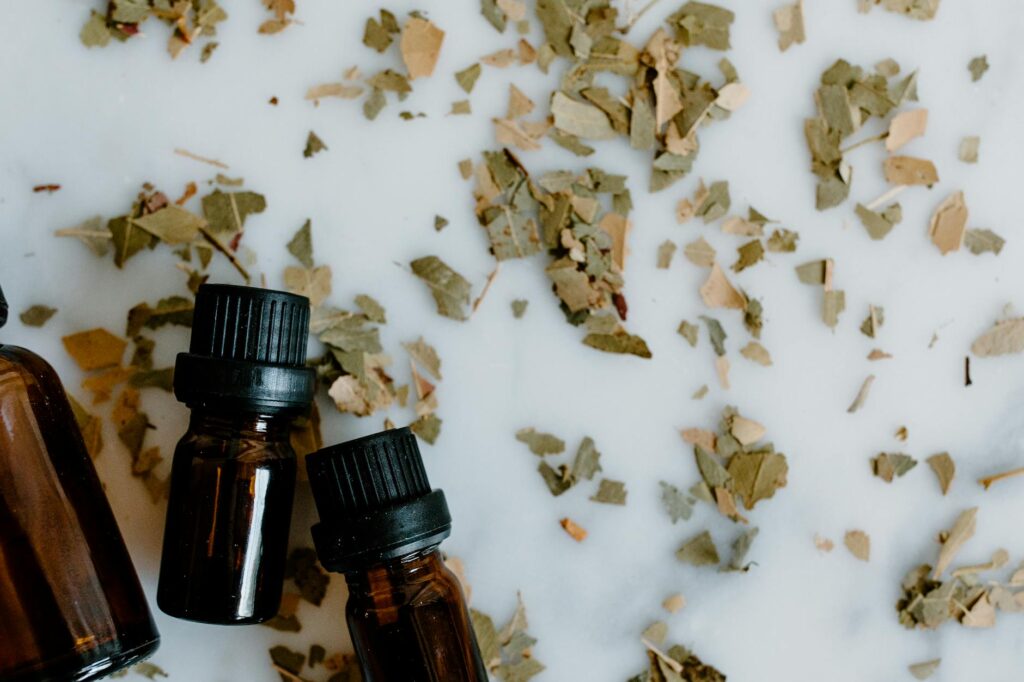
How to Use Aromatherapy Blends for Hormonal Support
Introduction
Aromatherapy has gained recognition over the years as a holistic approach to well-being, utilizing the therapeutic properties of essential oils. Among its many applications, aromatherapy blends have shown promise in providing hormonal support. This article delves into the intricacies of using aromatherapy blends for hormonal balance, exploring their benefits, common applications, and safety considerations.
What Is Aromatherapy Blends for Hormonal Support?
Aromatherapy blends for hormonal support consist of carefully selected essential oils combined to promote emotional and physical equilibrium. These blends are formulated to address various hormonal fluctuations and imbalances that individuals may experience, particularly during phases such as menstruation, pregnancy, and menopause. The essential oils used in these blends are believed to influence the endocrine system, which regulates hormone production and distribution throughout the body.
Key Benefits and Properties
1. Emotional Balance
Essential oils like lavender and bergamot have calming properties that can reduce stress and anxiety, which are often linked to hormonal imbalances. A balanced emotional state helps in stabilizing hormone levels.
2. Alleviation of Menstrual Discomfort
Certain oils, such as clary sage and geranium, may help alleviate menstrual cramps and discomfort. Their antispasmodic and anti-inflammatory properties can provide relief during menstruation.
3. Support during Menopause
Essential oils like frankincense and ylang-ylang are known for their potential to support women during menopause. They may help alleviate symptoms such as hot flashes, mood swings, and sleep disturbances.
4. Hormonal Regulation
Some oils are reputed to assist in the regulation of hormonal levels. For instance, fennel oil may help balance estrogen levels, while thyme oil can support thyroid function.
Common Uses
Aromatherapy blends for hormonal support can be used in various ways, depending on individual preferences and circumstances. Here are some common applications:
1. Diffusion: Adding a few drops of a hormonal support blend to a diffuser can help create a calming and supportive environment.
2. Topical Application: Diluting essential oils in a carrier oil and applying them to pulse points, such as the wrists or neck, can allow for direct absorption into the bloodstream.
3. Baths: Incorporating essential oils into bathwater provides both aromatic and topical benefits, promoting relaxation and hormonal balance.
4. Inhalation: Direct inhalation from the bottle or a cotton ball can provide immediate relief and emotional support.
Aromatherapy Applications
1. Creating Your Own Blend
To create a personalized aromatherapy blend for hormonal support, consider the following essential oils known for their supportive properties:
- Clary Sage: Often used to alleviate menstrual discomfort and promote relaxation.
- Lavender: Provides calming effects and can help with mood stabilization.
- Geranium: May support hormonal balance and alleviate anxiety.
- Frankincense: Known for its grounding properties and potential support during menopause.
- 5 drops of clary sage
- 3 drops of lavender
- 2 drops of geranium
- 1 drop of frankincense
- Duration: Diffuse for 30-60 minutes, allowing breaks in between to prevent overwhelming the senses.
- Environment: Ensure the room is well-ventilated and free from distractions to maximize the calming effects.
- Combine 5-10 drops of your chosen essential oils with a neutral carrier, such as coconut milk or Epsom salts, to help disperse the oils in water.
- Soak in the bath for at least 20 minutes to fully absorb the benefits.
- Place a few drops of essential oil on a cotton ball and inhale deeply.
- Alternatively, use a personal inhaler designed for essential oils for easy transport.
A simple blend may consist of:
Dilute this blend in 15 ml (1 tablespoon) of a carrier oil, such as sweet almond or jojoba, for topical use.
2. Diffusion Techniques
When diffusing essential oils, consider the following guidelines:
3. Bathing Rituals
To prepare a soothing bath blend:
4. Inhalation Techniques
For on-the-go support, consider inhalation techniques:
Safety Considerations
While aromatherapy can be a beneficial addition to one’s wellness routine, it is essential to observe safety precautions:
1. Dilution: Always dilute essential oils with a carrier oil before topical application to avoid skin irritation. A general guideline is to use a 2-3% dilution for adults (i.e., 12-18 drops of essential oil per ounce of carrier oil).
2. Patch Test: Conduct a skin patch test before widespread use, especially for individuals with sensitive skin or allergies. Apply a small amount of diluted oil to a discreet area and observe for any adverse reactions.
3. Pregnancy and Breastfeeding: Some essential oils are not recommended during pregnancy or breastfeeding. Consult with a qualified professional for guidance.
4. Medical Conditions: Individuals with hormonal disorders or other medical conditions should consult a healthcare professional before using essential oils.
5. Children and Pets: Exercise caution when using essential oils around children and pets. Some oils can be toxic to animals or may cause reactions in young children.
Storage and Shelf Life
Proper storage of essential oils is crucial to maintaining their efficacy. Here are some guidelines:
1. Containers: Store essential oils in dark glass bottles to protect them from light. Avoid plastic containers, as they can degrade the oil.
2. Temperature: Keep oils in a cool, dry place, away from direct sunlight and heat sources.
3. Shelf Life: Essential oils have varying shelf lives depending on their chemical composition. Generally, citrus oils have a shorter shelf life (1-2 years), while woody oils like cedarwood can last up to 5 years or more. Always check for changes in color, scent, or viscosity before use.
Frequently Asked Questions
1. Can aromatherapy blends replace traditional hormonal treatments?
Aromatherapy can complement traditional treatments but should not be viewed as a substitute. It is essential to consult a healthcare professional for personalized advice.
2. How often can I use aromatherapy for hormonal support?
Frequency of use may vary based on individual needs and preferences. However, it is advisable to start with moderate use and adjust as necessary.
3. Are there any essential oils to avoid for hormonal support?
Certain oils, such as sage and rosemary, may have stimulating effects on hormones and should be used cautiously. Individual responses may vary, so it is advisable to research each oil before use.
4. Can men benefit from aromatherapy for hormonal support?
Yes, aromatherapy can be beneficial for men as well. Essential oils can support emotional balance and overall well-being, which can indirectly aid hormonal health.
5. Where can I purchase quality essential oils?
Quality essential oils are available from reputable suppliers, health stores, and online retailers. Look for oils that are labeled as pure, therapeutic grade, and sourced ethically.
Conclusion
Incorporating aromatherapy blends for hormonal support can be a valuable addition to holistic wellness practices. By understanding their properties, applications, and safety considerations, individuals can explore the potential benefits of essential oils in promoting emotional balance and physical well-being. As always, knowledge and caution are key to ensuring a safe and effective aromatherapy experience.