
How to Use Aromatherapy Blends for Immune Resilience
Introduction
Aromatherapy, the practice of using essential oils for therapeutic purposes, has gained considerable attention in recent years for its potential benefits in promoting overall well-being. Among various applications, the use of aromatherapy blends for immune resilience has emerged as a popular area of interest. This article will explore what these blends entail, their benefits, common uses, applications, safety considerations, and storage tips.
What Is Aromatherapy Blends for Immune Resilience?
Aromatherapy blends for immune resilience consist of carefully selected essential oils that are believed to support the body’s natural defense mechanisms. These blends typically include oils renowned for their antiseptic, antiviral, and antibacterial properties. They are designed to enhance the immune system’s ability to respond to pathogens, reduce stress, and promote overall health.
Essential oils are extracted from various parts of plants, including leaves, flowers, roots, and bark. Each essential oil carries its unique chemical composition and therapeutic properties, making them effective when combined into synergistic blends.
Key Benefits and Properties
The key benefits of using aromatherapy blends for immune resilience can be categorized into several areas:
1. Antimicrobial Properties
Many essential oils possess natural antimicrobial properties that can help combat bacteria, viruses, and fungi. For example, oils like tea tree and eucalyptus are known for their ability to inhibit microbial growth.
2. Immune Support
Certain essential oils are believed to stimulate the immune system. Oils such as oregano and thyme contain compounds that may enhance the body’s immune response.
3. Stress Reduction
Chronic stress can weaken the immune system. Aromatherapy is widely recognized for its ability to promote relaxation and reduce stress levels. Oils like lavender and bergamot are commonly used for their calming effects.
4. Respiratory Support
Some essential oils can help clear the airways and support respiratory function. Oils such as peppermint and eucalyptus are often included in blends for their decongestant properties.
5. Mood Enhancement
Aromatherapy can also play a role in enhancing mood and emotional well-being, which can indirectly support immune health. Citrus oils such as lemon and orange are uplifting and can improve overall emotional resilience.
Common Uses
Aromatherapy blends for immune resilience can be used in various ways:
- Diffusion: Adding essential oil blends to a diffuser can disperse the aroma throughout a room, providing a pleasant and therapeutic atmosphere.
- Inhalation: Direct inhalation of essential oils from the bottle or through steam inhalation can deliver immediate benefits, particularly for respiratory support.
- Topical Application: Diluting essential oils with a carrier oil and applying them to the skin can target specific areas of concern, such as the chest or pulse points.
- Bathing: Adding essential oils to a warm bath can create a soothing experience that promotes relaxation and stress relief.
- 3 drops of tea tree oil
- 3 drops of eucalyptus oil
- 2 drops of lemon oil
- 2 drops of peppermint oil
- 2 drops of rosemary oil
- 2 drops of sweet orange oil
- 1 tablespoon of coconut oil (carrier)
- 5 drops of lavender oil
- 5 drops of frankincense oil
- 5 drops of oregano oil
- 1 cup of Epsom salt
- 10 drops of lavender oil
- 5 drops of tea tree oil
Aromatherapy Applications
When using aromatherapy blends for immune resilience, consider the following applications:
1. Diffuser Blends
Creating a diffuser blend can be an excellent way to fill your space with immune-supportive aromas. A simple blend might include:
2. Inhalation
For a quick immune boost, combine essential oils in a personal inhaler or use a cotton ball:
3. Topical Blends
For skin application, blend essential oils with a carrier oil at a dilution of 1-2%. A good recipe might include:
4. Bath Soak
Creating a relaxing bath soak can be an indulgent way to use aromatherapy:
Combine the ingredients and add to a warm bath for a soothing experience.
Safety Considerations
While aromatherapy can be beneficial, it is essential to consider safety precautions when using essential oils:
1. Dilution
Essential oils are highly concentrated and should always be diluted before topical application. A safe dilution ratio is typically 1-2%, which is approximately 1-2 drops of essential oil per teaspoon of carrier oil.
2. Skin Sensitivity
Conduct a patch test before using a new essential oil to check for potential allergic reactions. Apply a small amount of diluted oil to a patch of skin and wait 24 hours to see if there is any adverse reaction.
3. Pregnancy and Nursing
Certain essential oils may not be suitable for pregnant or nursing women. It is advisable to consult a qualified aromatherapist or healthcare provider for guidance.
4. Children and Pets
Some essential oils can be harmful to young children and pets. Always research the safety of specific oils beforehand and consider consulting a professional.
5. Quality of Oils
Opt for high-quality, pure essential oils from reputable sources to ensure safety and efficacy. Oils labeled as “therapeutic grade” are often recommended for aromatherapy purposes.
Storage and Shelf Life
Proper storage of essential oils is crucial to maintaining their potency and effectiveness. Follow these guidelines:
1. Keep in Dark Glass Bottles
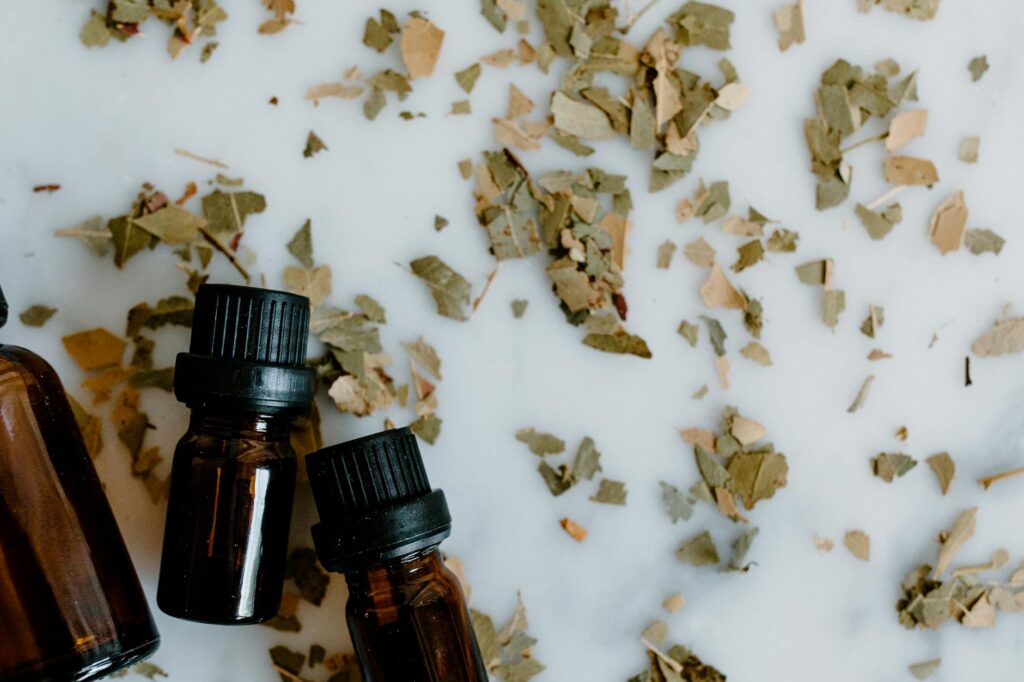
Store essential oils in dark glass bottles to protect them from light, which can degrade their quality.
2. Store in a Cool, Dry Place
Essential oils should be kept in a cool, dry area, away from direct sunlight and heat sources.
3. Check Expiration Dates
Most essential oils have a shelf life of 1-3 years, depending on the oil. Check for any signs of degradation, such as changes in color or scent, before use.
Frequently Asked Questions
1. Can I use essential oils every day?
While many people use essential oils daily, it’s essential to listen to your body and adjust usage based on personal tolerance and response.
2. Are there any essential oils that should be avoided for immune resilience?
Some oils, such as clove and cinnamon, can be irritating to the skin and should be used with caution. Always research individual oils before use.
3. How do I choose the right essential oils for my needs?
Consider your specific concerns and preferences. Research the properties of various oils to find those that resonate with your goals.
4. Can I blend my own essential oils?
Yes, blending your own essential oils can be a rewarding experience. Experiment with different combinations to find aromas that you find pleasant and effective.
5. How do I know if an essential oil is pure?
Look for oils that are labeled as 100% pure essential oil, free from additives and synthetic fragrances. Reputable brands often provide detailed information about their sourcing and extraction methods.
Conclusion
Aromatherapy blends for immune resilience offer a holistic approach to supporting overall well-being. With careful selection and application, these natural remedies can enhance the body’s ability to respond to various stressors and pathogens. Always prioritize safety and quality when using essential oils, and enjoy the myriad benefits they can bring to your daily routine.