
How to Use Aromatherapy Blends for Immune System Support During Seasonal Changes
Introduction
As the seasons transition, our bodies often face new challenges, particularly concerning our immune systems. With fluctuating temperatures, varying humidity levels, and the prevalence of seasonal illnesses, many individuals seek natural methods to bolster their defenses. Aromatherapy, which utilizes essential oils derived from plants, has gained popularity as a holistic approach to enhance well-being. This article explores how to effectively use aromatherapy blends specifically formulated for immune system support during seasonal changes.
What Are Aromatherapy Blends for Immune System Support During Seasonal Changes?
Aromatherapy blends are combinations of essential oils crafted to achieve specific therapeutic outcomes. For immune system support, these blends typically feature oils known for their antiseptic, antiviral, or immune-boosting properties. By inhaling or applying these oils, individuals can potentially enhance their immune response and promote overall wellness, especially during seasonal transitions when the body may be more susceptible to illness.
Key Benefits and Properties
The essential oils commonly utilized in immune-supporting blends come with a variety of benefits and properties:
1. Antimicrobial Action: Many essential oils possess antibacterial, antiviral, and antifungal properties. For instance, tea tree oil and eucalyptus oil are recognized for their ability to combat pathogens.
2. Anti-inflammatory Effects: Oils such as lavender and frankincense can help reduce inflammation, which is often linked to immune system challenges.
3. Stress Relief: Seasonal changes can bring stress, which may weaken the immune system. Oils like bergamot and chamomile are known for their calming effects, promoting emotional balance and resilience.
4. Respiratory Support: Many immune-supporting oils, such as peppermint and rosemary, can aid respiratory function, making it easier to breathe during allergy season or colds.
5. Enhanced Circulation: Essential oils like ginger and black pepper can stimulate circulation, promoting the distribution of immune cells throughout the body.
Common Uses
Aromatherapy blends for immune support can be integrated into daily routines in various ways:
- Diffusion: Using a diffuser to disperse essential oils into the air can create a protective environment, potentially reducing airborne pathogens.
- Topical Application: Diluted essential oils can be applied to pulse points or areas of concern, such as the chest or throat, for localized immune support.
- Baths: Adding essential oils to a warm bath can promote relaxation while benefiting the skin and respiratory systems.
- Inhalation: Direct inhalation techniques, such as cupping the hands over the nose after applying a few drops of oil, can provide immediate benefits.
- 5 drops of eucalyptus oil
- 3 drops of tea tree oil
- 2 drops of lavender oil
- 2 drops of frankincense oil
- 3 drops of lemon oil
- 5 drops of carrier oil (such as coconut or jojoba oil)
- 5 drops of lavender oil
- 5 drops of rosemary oil
- 1 cup of Epsom salts
- 1 drop of peppermint oil
- 1 drop of lemon oil
- Dilution: Always dilute essential oils with a carrier oil before applying them to the skin to prevent irritation. A common ratio is 2-5 drops of essential oil per teaspoon of carrier oil.
- Patch Test: Conduct a patch test on a small area of skin to check for any allergic reactions before extensive use.
- Pregnancy and Nursing: Consult with a healthcare provider before using essential oils during pregnancy or while nursing.
- Children and Pets: Some essential oils are not suitable for children or pets. Ensure you research and choose appropriate oils for these groups.
- Quality of Oils: Select high-quality, pure essential oils from reputable sources to ensure efficacy and safety.
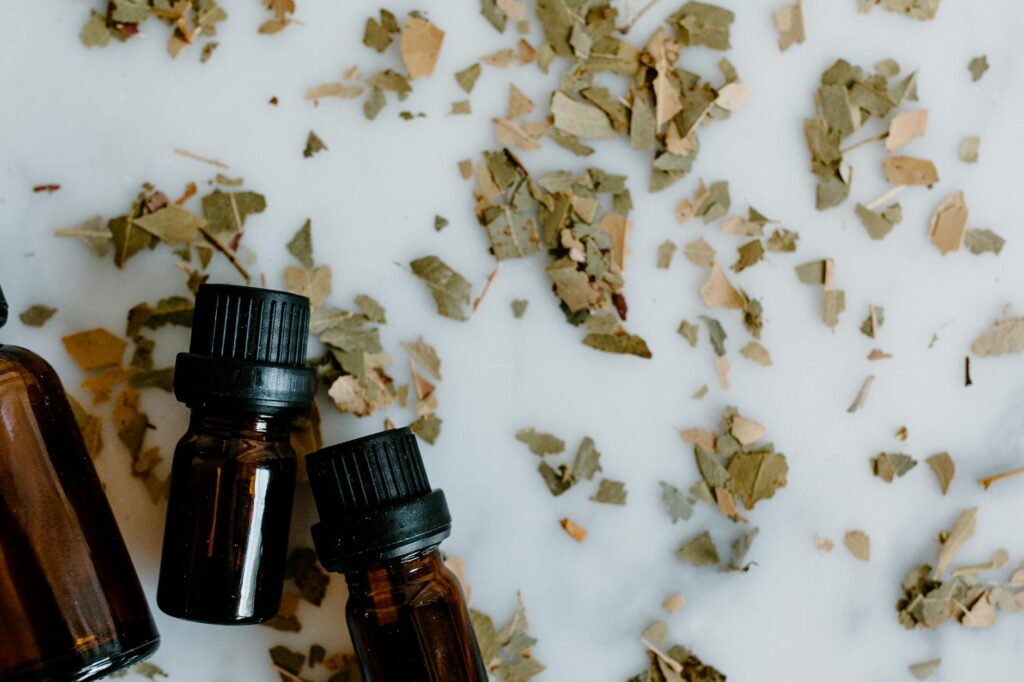
- Store in Dark Glass Bottles: Essential oils should be stored in dark amber or cobalt blue glass bottles to protect them from light and oxidation.
- Cool, Dry Place: Keep oils in a cool, dry location away from direct sunlight and heat sources.
- Shelf Life: While many essential oils have a shelf life of 1-3 years, citrus oils may have a shorter shelf life due to their chemical composition. Always check for changes in smell or consistency before use.
Aromatherapy Applications
1. Diffusion Blends
For a simple yet effective way to support your immune system, try diffusing a blend of:
This combination not only purifies the air but also creates a calming atmosphere.
2. Topical Blends
To create a topical immune-support blend, consider mixing:
Apply this blend to the chest or wrist to enjoy both the aromatic and therapeutic benefits.
3. Bath Soak
For a soothing bath experience, combine:
Add this mixture to warm bathwater for a relaxing soak that helps support the immune system.
4. Inhalation
For immediate relief during seasonal transitions, consider a simple inhalation technique with:
Place the oils on a cotton ball and inhale deeply for a refreshing boost.
Safety Considerations
While essential oils can provide benefits, it is important to use them safely:
Storage and Shelf Life
To maintain the potency and integrity of essential oils, proper storage is essential:
Frequently Asked Questions
1. Can aromatherapy replace medical treatment for immune issues?
Aromatherapy should not be used as a substitute for professional medical advice or treatment. It can complement other health practices but is not a cure for illnesses.
2. How often can I use these blends?
The frequency of use can vary based on individual preferences and sensitivities. Generally, using blends 1-3 times daily is common for topical applications, while diffusion can be done as often as desired.
3. Are there any essential oils that should be avoided?
Certain oils, such as sage, wintergreen, and cinnamon, may not be suitable for everyone and should be used with caution. Research each oil and consult with a knowledgeable source if unsure.
4. Can I make my own blends?
Yes, creating your own blends can be a rewarding experience. Start with a few oils that resonate with you and experiment with different combinations. Keep track of your recipes for future reference.
5. What if I experience irritation from an essential oil?
If irritation occurs, discontinue use immediately and wash the affected area with soap and water. If symptoms persist, seek medical advice.
Conclusion
Aromatherapy offers a natural and enjoyable way to support your immune system during seasonal changes. By understanding the properties of essential oils and how to effectively use them, individuals can enhance their well-being and resilience. Remember to prioritize safety and quality when selecting and applying these potent plant extracts. With mindful use, aromatherapy can be a valuable ally in navigating seasonal transitions.