
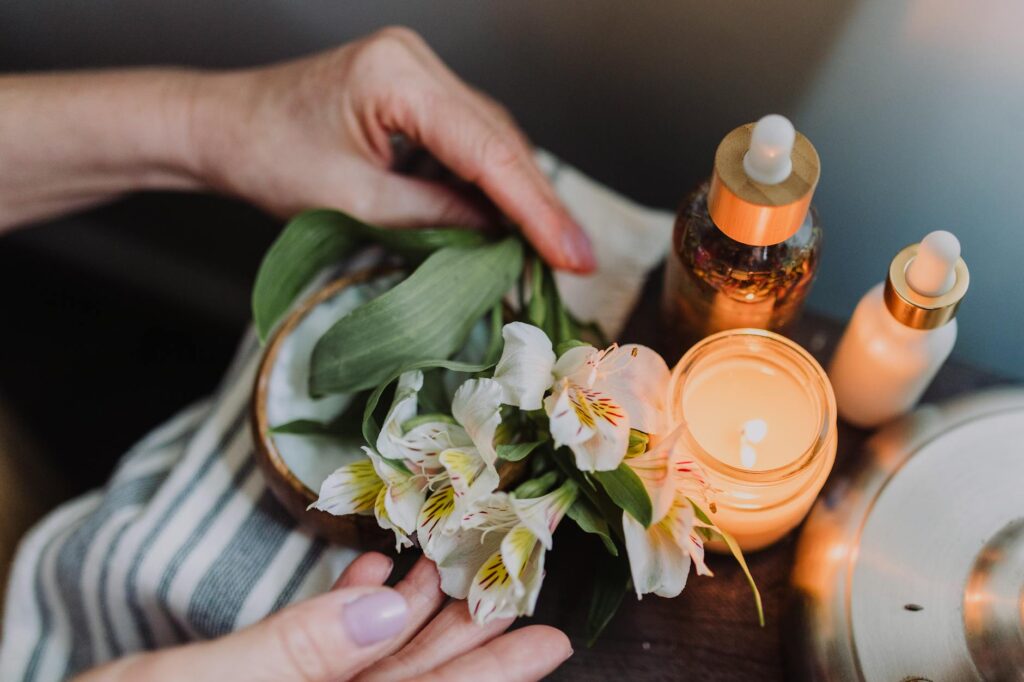
How to Use Aromatherapy Blends for Meditation and Mindfulness
Introduction
In recent years, the practices of meditation and mindfulness have gained significant traction as effective methods for promoting mental well-being and emotional balance. A lesser-known yet potent tool to enhance these practices is the use of aromatherapy blends. By integrating essential oils into your meditation routine, you can create an environment conducive to relaxation, focus, and emotional clarity. This article explores how aromatherapy blends can be utilized for meditation and mindfulness, highlighting their benefits, applications, and safety considerations.
What Are Aromatherapy Blends for Meditation and Mindfulness?
Aromatherapy blends are mixtures of essential oils derived from plants, designed to evoke specific emotional or physical responses. For meditation and mindfulness, these blends typically include oils known for their calming, grounding, or uplifting properties. Common essential oils used in these blends include lavender, frankincense, sandalwood, and bergamot, among others.
The intention behind using these blends is to create a sensory experience that complements and enhances your meditation practice. The aroma of essential oils can help to anchor your awareness, facilitate deeper states of relaxation, and promote a tranquil atmosphere, making it easier to engage in mindful practices.
Key Benefits and Properties
Emotional Benefits
Aromatherapy blends can help regulate emotions, reduce stress, and promote a sense of well-being. Many essential oils have been shown to influence mood positively, making them valuable tools in meditation.
- Calming Effects: Oils like lavender and chamomile are known for their calming properties, helping to reduce anxiety and promote relaxation.
- Grounding: Essential oils such as vetiver and sandalwood may assist in grounding the mind, making it easier to remain present during meditation.
- Uplifting: Citrus oils like bergamot and sweet orange can uplift spirits and increase feelings of joy, enhancing your overall meditation experience.
- Respiratory Support: Oils like eucalyptus may help in opening airways, making it easier to breathe deeply during meditation.
- Relaxation of Muscles: Certain oils can aid in relieving tension in the body, allowing for a more comfortable meditative posture.
- Keep essential oils in a cool, dark place away from direct sunlight.
- Store them in tightly sealed, dark glass bottles to prevent oxidation.
Physical Benefits
While the primary focus of aromatherapy for meditation is emotional and mental, some essential oils also provide physical benefits, such as:
Common Uses
Aromatherapy blends for meditation can be utilized in various settings and ways. Here are some common uses:
Pre-Meditation Ritual
Many practitioners incorporate essential oils into their pre-meditation rituals. This might involve diffusing a specific blend in the space where you meditate, applying a diluted oil to pulse points, or simply inhaling the aroma directly from the bottle.
During Meditation
Once you are settled into your meditation, you can continue to engage with the aroma. This can be achieved by placing a few drops of the blend on a cotton ball or tissue and keeping it nearby, or by using an aromatherapy inhaler.
Mindfulness Practices
Aromatherapy can also be integrated into mindfulness practices throughout the day. Carrying a roll-on blend or a small vial of essential oil can serve as a reminder to pause and engage your senses, promoting mindfulness in everyday activities.
Aromatherapy Applications
The application of aromatherapy blends can vary based on personal preference and the specific goals of your meditation practice. Here are several methods to consider:
Diffusion
Using an essential oil diffuser is one of the most popular methods for dispersing the aroma of your blend throughout a room. This method is ideal for creating a calming atmosphere conducive to meditation.
How To Diffuse:
1. Add water to the diffuser according to the manufacturer’s instructions.
2. Add a few drops of your chosen essential oil blend.
3. Turn on the diffuser and allow the aroma to fill the space.
Inhalation
Inhalation is a direct way to experience the benefits of essential oils. This can be done either through a personal inhaler or simply by inhaling from the bottle.
How To Inhale:
1. Place a few drops of the blend on a cotton ball or tissue.
2. Hold it close to your nose and take several deep, calming breaths.
Topical Application
For those who prefer a more intimate connection with the oils, topical application can be effective. However, it is essential to dilute essential oils with a carrier oil to avoid skin irritation.
How To Apply Topically:
1. Mix a few drops of your essential oil blend with a carrier oil (such as jojoba or coconut oil).
2. Apply a small amount to pulse points, such as wrists, temples, or behind the ears.
Bath Soak
Incorporating aromatherapy into a bath can enhance relaxation and create a serene atmosphere for mindfulness and meditation.
How To Create a Bath Blend:
1. Mix several drops of essential oil with an emulsifier (such as milk or Epsom salts) to help disperse the oils in water.
2. Add the mixture to your bathwater and soak for at least 20 minutes.
Safety Considerations
While aromatherapy is generally safe for most individuals, there are important safety considerations to keep in mind:
Dilution
Always dilute essential oils with a carrier oil before applying them to the skin. This is especially important for sensitive areas and for individuals with sensitive skin.
Allergies and Sensitivities
Before using a new essential oil, conduct a patch test to check for any allergic reactions. If you experience any irritation or discomfort, discontinue use.
Quality of Oils
Ensure that you are using high-quality, pure essential oils. Look for oils that are labeled as therapeutic grade and free from synthetic additives.
Pregnant or Nursing Individuals
Consult a healthcare professional before using essential oils if you are pregnant or nursing, as some oils may not be safe during these times.
Storage and Shelf Life
Proper storage of essential oils is crucial for maintaining their efficacy. Here are some tips for storing your aromatherapy blends:
Storage
Shelf Life
The shelf life of essential oils varies depending on the type and storage conditions. Generally, citrus oils have a shorter shelf life (about 1-2 years), while oils like sandalwood and patchouli can last longer (up to 5 years or more). Always check for any changes in scent or consistency before use.
Frequently Asked Questions
Can I use any essential oil for meditation?
While you can technically use any essential oil, those with calming or grounding properties are generally more effective for meditation and mindfulness practices. Oils such as lavender, frankincense, and chamomile are particularly popular.
How do I know which blend to choose?
Choosing a blend often depends on your personal preferences and the emotional or mental state you wish to achieve. Experimenting with different oils can help you find what resonates with you.
Can I make my own aromatherapy blends?
Yes, creating your own blends can be a rewarding experience. Start with a base oil and gradually add other oils until you achieve the desired aroma. Always test your blend for skin compatibility.
How often should I use aromatherapy for meditation?
The frequency of use depends on your personal practice and preferences. Many individuals find that using aromatherapy during meditation enhances their experience, while others may use it throughout the day to promote mindfulness.
Conclusion
Incorporating aromatherapy blends into your meditation and mindfulness practices can greatly enhance your experience. By creating a serene atmosphere and engaging your senses, you can deepen your connection to the present moment. Whether you choose to diffuse, inhale, apply topically, or soak in a bath, the key is to find what works best for you. With proper precautions and an understanding of the benefits, aromatherapy can become a valuable tool in your journey towards mindfulness and emotional well-being.