
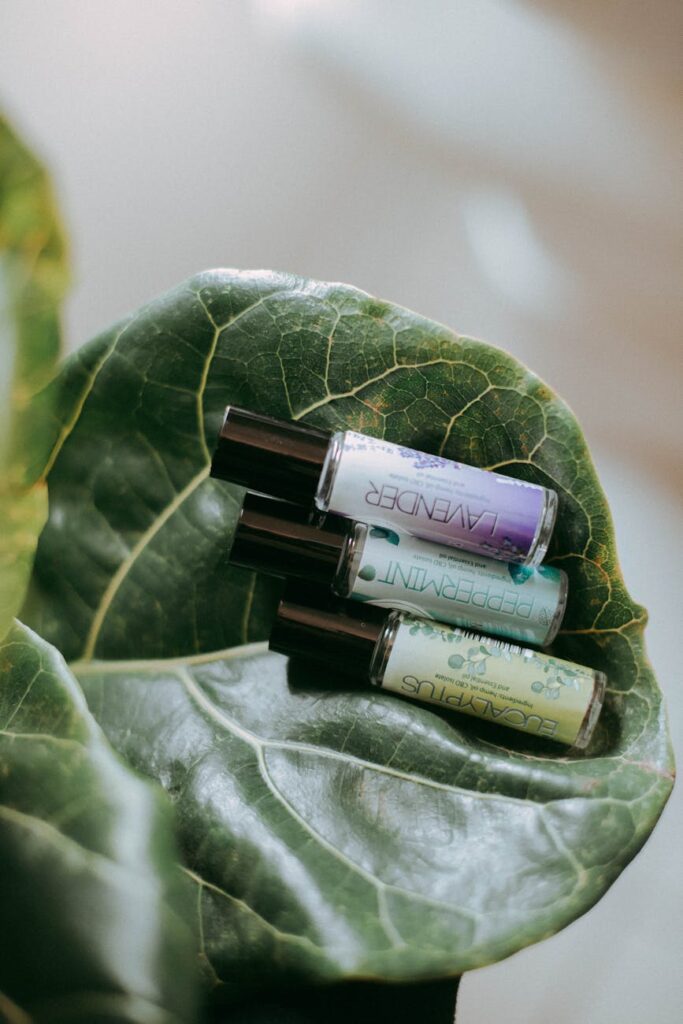
How to Use Aromatherapy Blends for Memory Enhancement
Introduction
Aromatherapy is a holistic healing practice that harnesses the natural properties of essential oils to promote physical, emotional, and mental well-being. Among its many applications, the use of aromatherapy blends for memory enhancement has garnered attention in recent years. As individuals seek alternative methods to support cognitive function, understanding how to effectively use these blends can help maximize their benefits.
What Is Aromatherapy Blends for Memory Enhancement?
Aromatherapy blends for memory enhancement involve the combination of specific essential oils known for their cognitive-supporting properties. These blends are typically inhaled or applied topically, allowing the active compounds in the oils to interact with the body and mind. Essential oils like rosemary, peppermint, and lemon are often included in these blends due to their reputed effects on memory, concentration, and mental clarity.
Key Benefits and Properties
The essential oils used in memory enhancement blends are selected for their unique benefits:
1. Rosemary (Rosmarinus officinalis): Often associated with improved memory retention, rosemary is believed to enhance cognitive function and focus. Research suggests that the scent of rosemary may stimulate brain activity.
2. Peppermint (Mentha piperita): Known for its invigorating properties, peppermint can help increase alertness and concentration. Its refreshing aroma is said to reduce mental fatigue and improve cognitive performance.
3. Lemon (Citrus limon): The uplifting scent of lemon is thought to enhance mood and reduce stress, creating an optimal environment for learning and memory retention.
4. Basil (Ocimum basilicum): Basil possesses properties that may help reduce anxiety and improve mental clarity, supporting overall cognitive health.
5. Sage (Salvia officinalis): Traditionally used for its calming effects, sage is believed to promote mental clarity and memory recall.
These essential oils work synergistically in blends, enhancing their individual effects and providing a holistic approach to memory enhancement.
Common Uses
Aromatherapy blends for memory enhancement can be employed in various settings to support cognitive function. Common applications include:
- Study Sessions: Diffusing or inhaling memory-enhancing blends while studying may help improve focus and information retention.
- Work Environments: Incorporating aromatherapy into the workplace can create an atmosphere conducive to productivity and mental clarity.
- Daily Routines: Using these blends during daily activities, such as reading or writing, can support sustained concentration.
- Meditation and Mindfulness: Integrating essential oils into meditation practices may help clear the mind and enhance mental acuity.
- Dilution: Always dilute essential oils with a carrier oil before topical application to prevent skin irritation or allergic reactions.
- Quality: Use high-quality, pure essential oils from reputable sources to ensure safety and efficacy.
- Patch Testing: Conduct a patch test on a small area of skin before using a new essential oil blend to check for any adverse reactions.
- Pregnancy and Health Conditions: Pregnant individuals, individuals with respiratory issues, or those with specific health conditions should consult an aromatherapy professional or healthcare provider before using essential oils.
Aromatherapy Applications
There are several methods for using aromatherapy blends for memory enhancement:
1. Diffusion
Using an essential oil diffuser is one of the most popular methods for dispersing scents throughout a room. Simply add a few drops of your chosen memory-enhancing blend to the diffuser, fill it with water, and turn it on. This method provides a continuous release of aroma, creating an environment that supports concentration and memory.
2. Inhalation
Inhalation is a direct way to experience the benefits of essential oils. To do this, add a few drops of the essential oil blend onto a cotton ball or tissue and inhale deeply. Alternatively, you can use an inhaler stick, which allows for easy transport and use on the go.
3. Topical Application
For those who prefer a more direct approach, topical application can be effective. Dilute the essential oils with a carrier oil, such as jojoba or sweet almond oil, before applying to pulse points like the wrists, temples, or the back of the neck. This method not only provides the benefits of the essential oils but also promotes a sense of well-being through massage.
4. Bathing
Adding a few drops of a memory-enhancing blend to a warm bath can create a relaxing environment that supports mental clarity. Mix the essential oils with Epsom salts to help disperse them in the water before adding them to your bath.
5. DIY Products
For those interested in crafting their own aromatherapy products, creating candles, room sprays, or roller blends can be fulfilling. Combining essential oils with natural waxes or alcohol can yield unique products tailored to personal preferences.
Safety Considerations
While aromatherapy is generally considered safe, it is essential to practice caution:
Storage and Shelf Life
Proper storage is crucial for maintaining the potency of essential oils. Store your blends in a cool, dark place, away from direct sunlight and heat. Glass amber or cobalt bottles are ideal for protecting the oils from light.
Typically, essential oils have a shelf life of 1–3 years, depending on the oil. Citrus oils, for example, tend to have a shorter shelf life compared to woody or resinous oils. Regularly check for changes in color, scent, or viscosity, which may indicate that the oil has degraded.
Frequently Asked Questions
1. Can aromatherapy blends replace medication for memory enhancement?
Aromatherapy should not be considered a substitute for prescribed medication. While it may support cognitive function, it is essential to consult with healthcare professionals regarding any medical concerns.
2. How often should I use aromatherapy blends for memory enhancement?
The frequency of use can vary based on personal preference and individual needs. Many find that using aromatherapy blends during study sessions, work, or stressful moments is beneficial.
3. Are there any side effects associated with aromatherapy?
While generally safe, some individuals may experience allergic reactions or skin irritation. It is advisable to conduct patch tests and to discontinue use if any adverse reactions occur.
4. How do I choose the right essential oils for memory enhancement?
Selecting essential oils involves personal preference and individual responses to various scents. Experiment with different blends to find what resonates best with you.
5. Can children use aromatherapy blends?
Aromatherapy can be used with children, but precautions should be taken. Essential oils should be diluted more than usual, and certain oils may not be suitable for younger children. Consult a qualified aromatherapist for guidance.
Conclusion
Aromatherapy blends for memory enhancement offer a natural and holistic approach to supporting cognitive function. By understanding the properties of various essential oils and their applications, individuals can create a personalized routine that enhances focus and clarity. While aromatherapy is not a replacement for medical treatment, it can serve as a complementary practice for those seeking to improve their memory and mental acuity. With careful consideration and experimentation, one can unlock the potential of aromatherapy to enhance cognitive well-being.