
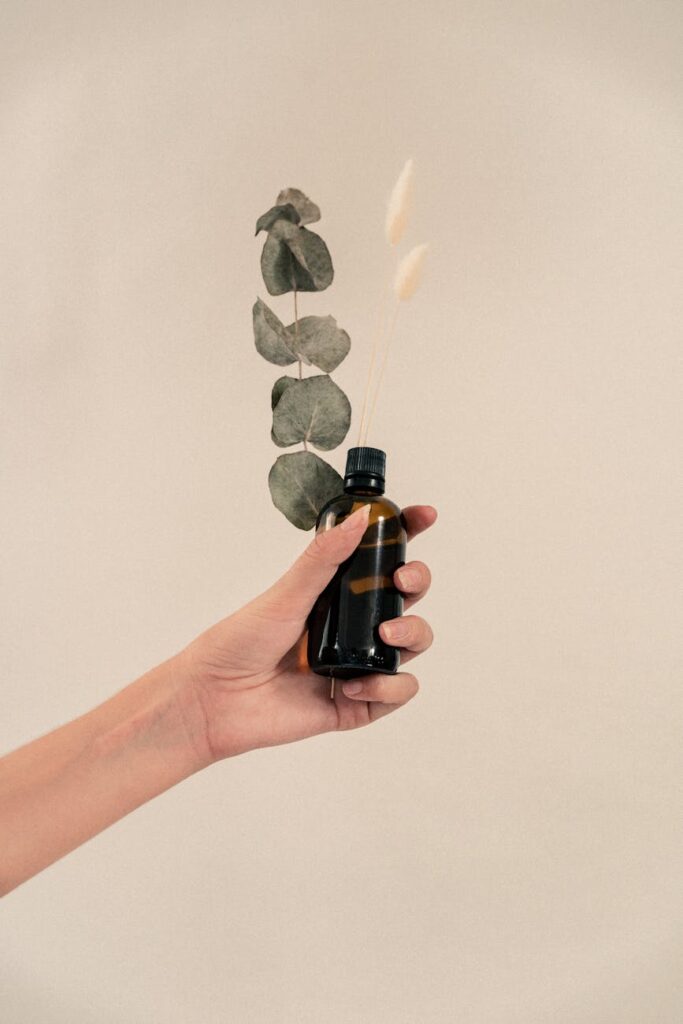
How to Use Aromatherapy Blends for Mindfulness Practices
Introduction
In a fast-paced world filled with distractions and stressors, mindfulness practices have become increasingly popular as a way to cultivate a sense of presence, peace, and emotional balance. One effective tool to enhance these practices is the use of aromatherapy blends. By harnessing the natural properties of essential oils, individuals can deepen their mindfulness experiences, promote relaxation, and foster mental clarity. This article explores the nature of aromatherapy blends specifically designed for mindfulness practices, delving into their benefits, common applications, and safe usage.
What Are Aromatherapy Blends for Mindfulness Practices?
Aromatherapy blends consist of carefully selected essential oils mixed to achieve specific therapeutic effects. These blends can be tailored to support various mindfulness practices, such as meditation, yoga, or simple breathing exercises. Essential oils are extracted from plants—flowers, leaves, bark, or roots—and possess unique aromatic profiles and properties. When used in a mindful context, these aromas can evoke emotions, enhance focus, and create an environment conducive to introspection and relaxation.
Key Benefits and Properties
Utilizing aromatherapy blends in mindfulness practices offers several key benefits:
1. Enhanced Focus: Certain essential oils, such as rosemary or peppermint, can promote mental clarity and concentration, making it easier to engage fully in mindfulness exercises.
2. Emotional Balance: Oils like lavender and bergamot are known for their calming properties and can help regulate mood, making it easier to approach mindfulness with an open and relaxed mindset.
3. Stress Reduction: Many essential oils have been shown to reduce feelings of anxiety and stress. For instance, chamomile and frankincense can foster a sense of tranquility.
4. Improved Sleep: Blends that include sedative oils, such as cedarwood or vetiver, can support better sleep, which is often a foundational component of a mindful lifestyle.
5. Enhanced Sensory Experience: The aromatic quality of essential oils can create a multi-dimensional experience, enriching the overall mindfulness practice and making it more immersive.
Common Uses
Aromatherapy blends can be used in various mindfulness practices, including but not limited to:
- Meditation: Enhancing focus and creating a serene atmosphere.
- Yoga: Supporting physical postures and mental clarity.
- Breathing Exercises: Promoting deep, calming breaths through soothing aromas.
- Journaling: Creating an environment that encourages reflection and introspection.
- Mindful Walking: Heightening awareness of the surroundings through scent.
- Patch Test: Always conduct a patch test before applying essential oils to the skin to check for any allergic reactions or sensitivity.
- Dilution: Essential oils should be diluted in a carrier oil before topical application. A general guideline is to use a 1-2% dilution for most adults, which equates to about 1-2 drops of essential oil per teaspoon of carrier oil.
- Avoid Sensitive Areas: Keep essential oils away from sensitive areas, including the eyes and mucous membranes.
- Pregnancy and Nursing: Certain essential oils may not be safe for use during pregnancy or breastfeeding. Consult with a healthcare professional if there are any concerns.
- Children and Pets: Use caution when using essential oils around children and pets, as some oils may be harmful to them.
- Keep Away from Light: Store essential oils in dark, glass bottles to protect them from sunlight, which can degrade their quality.
- Cool Environment: Store oils in a cool, dry place, away from heat sources.
- Expiration: Essential oils have varying shelf lives, typically ranging from 1 to 5 years. Citrus oils may have shorter lifespans, while oils like patchouli can last longer. Regularly check for changes in aroma, color, or consistency to determine if oils are still effective.
Aromatherapy Applications
There are several methods to incorporate aromatherapy blends into mindfulness practices:
1. Diffusion
Using a diffuser is one of the most popular methods for dispersing essential oils into the air. Simply add a few drops of your chosen blend to a diffuser filled with water. This method allows the aroma to fill the space, creating an enveloping atmosphere that can aid in relaxation and focus.
2. Topical Application
Diluting essential oils in a carrier oil (such as jojoba or sweet almond oil) is an effective way to apply them directly to the skin. Common pulse points include wrists, temples, and behind the ears. This method not only provides a personal aromatic experience but also allows for direct absorption into the body.
3. Inhalation
For a quick and direct way to experience the benefits of essential oils, inhalation can be effective. Simply place a few drops of the blend on a tissue or cotton ball and inhale deeply. This method is particularly useful for on-the-go mindfulness practices.
4. Bathing
Adding essential oils to a warm bath can create a soothing experience that encourages relaxation and mindfulness. To prevent the oils from floating on the surface, it’s recommended to mix them with a neutral emulsifier, such as milk or bath salts, before adding them to the water.
5. Aromatherapy Roll-ons
Creating a roll-on blend allows for convenient application throughout the day. Mix essential oils with a carrier oil in a small roller bottle for easy portability. These can be used during meditation or whenever you need a moment of mindfulness.
Safety Considerations
While essential oils are natural, they can still cause reactions in some individuals. Here are some important safety considerations:
Storage and Shelf Life
To maintain the integrity of essential oils and aromatherapy blends, proper storage is essential:
Frequently Asked Questions
1. Can I create my own aromatherapy blends?
Yes, creating your own blends can be a rewarding experience. Start by researching essential oils that complement each other and support your intended mindfulness practice.
2. How do I choose the right essential oils for my needs?
Consider your emotional and physical needs. For relaxation, oils like lavender or chamomile are beneficial. For focus, try citrus oils or rosemary. Experimenting with different oils can help you identify what resonates best with you.
3. How often should I use aromatherapy blends in my practice?
The frequency of use depends on personal preference. Some individuals may incorporate them daily, while others may use them only during specific mindfulness sessions.
4. Are there any essential oils that should be avoided?
Certain oils, such as cinnamon and clove, can be irritating to the skin and should be used with caution. Always research oils before use and consult resources for any known contraindications.
5. Can I use aromatherapy blends with other mindfulness tools?
Absolutely! Aromatherapy can complement other mindfulness tools, such as meditation music, crystals, or guided meditations, enhancing the overall experience.
Conclusion
Aromatherapy blends can be a powerful addition to mindfulness practices, enriching the journey toward self-awareness and emotional balance. By understanding the various applications, benefits, and safety considerations of essential oils, individuals can create a personalized and effective mindfulness routine. Whether through diffusion, topical application, or other methods, integrating these natural aromas can foster a deeper connection to the present moment, ultimately enhancing overall well-being.