
How to Use Aromatherapy Blends for Mood Regulation
Introduction
Aromatherapy, the practice of using essential oils extracted from plants, has gained popularity as a holistic approach to enhance physical and emotional well-being. Among its many applications, mood regulation stands out as one of the most sought-after benefits. This article explores the concept of aromatherapy blends specifically designed for mood regulation, outlining their benefits, common uses, applications, safety considerations, and more.
What Is Aromatherapy Blends for Mood Regulation?
Aromatherapy blends for mood regulation consist of carefully selected essential oils combined to promote emotional balance and enhance overall well-being. These blends typically target specific emotional states, such as stress relief, increased focus, or improved mood. Each essential oil possesses unique properties that can influence the limbic system, the part of the brain responsible for emotions, thereby affecting mood and emotional responses.
The art of creating these blends lies in understanding the individual characteristics of each essential oil, including their aromas, therapeutic properties, and synergistic effects when combined.
Key Benefits and Properties
Aromatherapy blends for mood regulation offer several key benefits:
1. Stress Reduction: Certain essential oils, such as lavender and bergamot, are known for their calming effects, helping to alleviate stress and anxiety.
2. Mood Enhancement: Oils like sweet orange and ylang-ylang can uplift mood and promote feelings of joy and positivity.
3. Improved Focus and Clarity: Oils such as rosemary and peppermint can stimulate the mind, enhancing concentration and cognitive function.
4. Emotional Balance: Blends that incorporate grounding oils like frankincense and vetiver can help stabilize emotions, making them useful for those experiencing emotional turbulence.
5. Enhanced Relaxation: Many blends are formulated to promote relaxation, making them ideal for use during meditation or winding down at the end of the day.
Common Uses
Aromatherapy blends for mood regulation can be employed in various contexts, including:
- Diffusion: Using essential oil diffusers to disperse the aroma into the air, creating a calming or uplifting atmosphere.
- Topical Application: Diluting essential oils in a carrier oil and applying them to pulse points or other areas of the body for direct effects.
- Inhalation: Directly inhaling essential oils from the bottle or from a cotton ball can provide immediate mood support.
- Bathing: Adding essential oils to bathwater can create a soothing environment, promoting relaxation and emotional release.
- Massage: Incorporating essential oils into massage oils can enhance the therapeutic benefits of touch and aroma.
- Ultrasonic Diffusers: These devices use water and ultrasonic waves to disperse essential oils into the air, providing a fine mist that can fill a room with aroma.
- Nebulizing Diffusers: These devices do not use water and instead directly vaporize essential oils, producing a more concentrated aroma.
- Heat Diffusers: These devices use heat to evaporate essential oils; however, this method can alter the chemical composition and therapeutic properties of the oils.
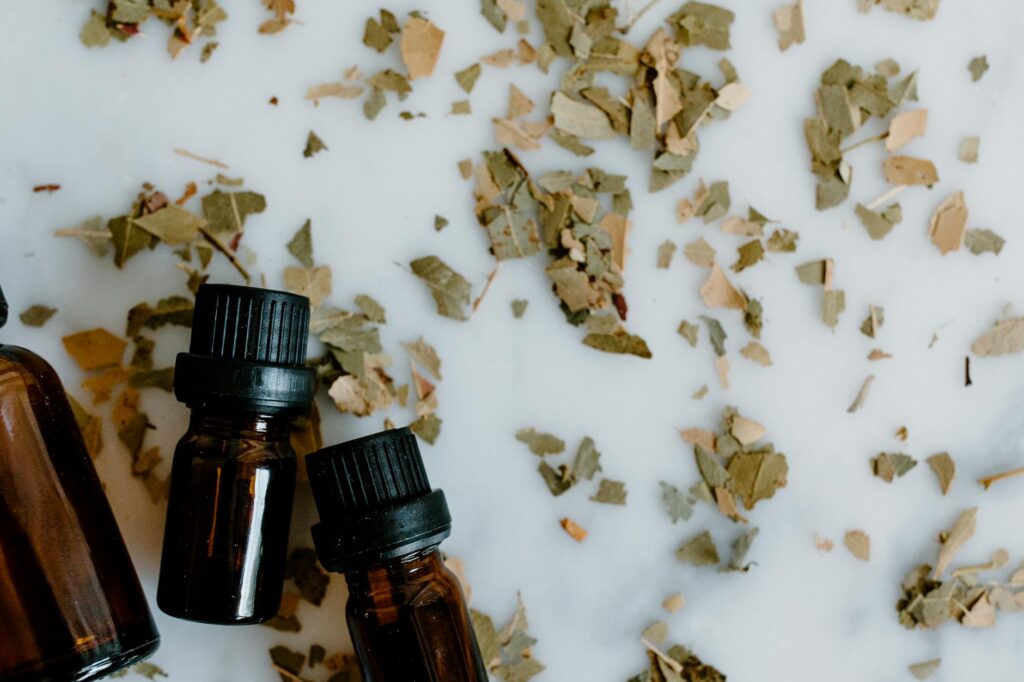
- Containers: Always store essential oils in dark glass bottles to protect them from light exposure.
- Temperature: Keep oils in a cool, dry place, away from heat sources.
- Shelf Life: While some essential oils can last for several years, others may have a shorter shelf life. Citrus oils, for instance, generally have a shelf life of 1-2 years, while others, like patchouli, can last for up to 10 years if stored correctly.
Aromatherapy Applications
Creating Your Own Blends
Creating custom aromatherapy blends for mood regulation can be a rewarding experience. Here is a simple guide to help you formulate your own blends:
1. Choose Your Base: Select one or two base oils that resonate with your desired mood. For example, if you seek relaxation, consider lavender or chamomile.
2. Add Complementary Oils: Choose additional oils that complement your base oils and enhance the desired effect. For instance, adding sweet orange can uplift a lavender base.
3. Dilution: Essential oils are potent and should be diluted in a carrier oil (such as jojoba, sweet almond, or coconut oil) before applying them to the skin. A general guideline is to use a 2-3% dilution, which equates to about 12-18 drops of essential oil per ounce of carrier oil.
4. Test and Adjust: Perform a patch test on a small area of skin to check for sensitivity. Adjust the blend as needed until you achieve the desired aroma and emotional response.
Pre-Made Blends
For those who prefer convenience or lack the time to create their own blends, many commercially available aromatherapy blends cater to specific emotional needs. These can be found in various forms, such as oils, roll-ons, or sprays. It’s essential to choose high-quality products from reputable brands to ensure efficacy and safety.
Diffusion Techniques
Diffusing essential oils is one of the most popular methods for utilizing aromatherapy blends. Here are a few techniques:
Safety Considerations
While aromatherapy can be beneficial, it is essential to keep safety in mind:
1. Dilution: Always dilute essential oils before topical application to avoid skin irritation.
2. Patch Testing: Conduct a patch test before using a new essential oil blend to check for allergic reactions or sensitivities.
3. Quality of Oils: Choose high-quality, pure essential oils from reputable sources to ensure they are free from synthetic additives and contaminants.
4. Contraindications: Be aware of any contraindications related to essential oils, especially for pregnant women, individuals with certain health conditions, or those taking specific medications.
5. Storage: Store essential oils in dark glass bottles away from direct sunlight to maintain their potency.
Storage and Shelf Life
Proper storage is crucial for maintaining the integrity of essential oils:
Frequently Asked Questions
1. Can aromatherapy blends help with serious mood disorders?
While aromatherapy can provide support for emotional well-being, it is not a substitute for professional medical advice or treatment. Individuals experiencing serious mood disorders should consult a healthcare provider.
2. How often can I use aromatherapy blends?
The frequency of use depends on individual preferences and the specific blend. However, it is advisable to take breaks and not rely solely on aromatherapy for emotional support.
3. Are there any essential oils I should avoid?
Certain essential oils may be irritating or unsuitable for specific individuals, such as those with sensitive skin or allergies. Always consult ingredient lists and consider personal sensitivities.
4. Can I use essential oils around pets?
Some essential oils can be toxic to pets, particularly cats and dogs. It is crucial to research specific oils and consult a veterinarian before using them in a home with animals.
5. How can I enhance the effects of aromatherapy blends?
Combining aromatherapy with other practices such as meditation, yoga, or deep breathing can amplify the benefits and enhance emotional regulation.
Conclusion
Aromatherapy blends can serve as valuable tools for mood regulation, providing a natural way to enhance emotional well-being. By understanding the properties of various essential oils and how to use them effectively, individuals can create personalized blends that support their unique emotional needs. As with any complementary approach, it is essential to prioritize safety and consult professionals when necessary. With careful consideration and creativity, aromatherapy can enrich your emotional landscape and promote a greater sense of balance and harmony.