
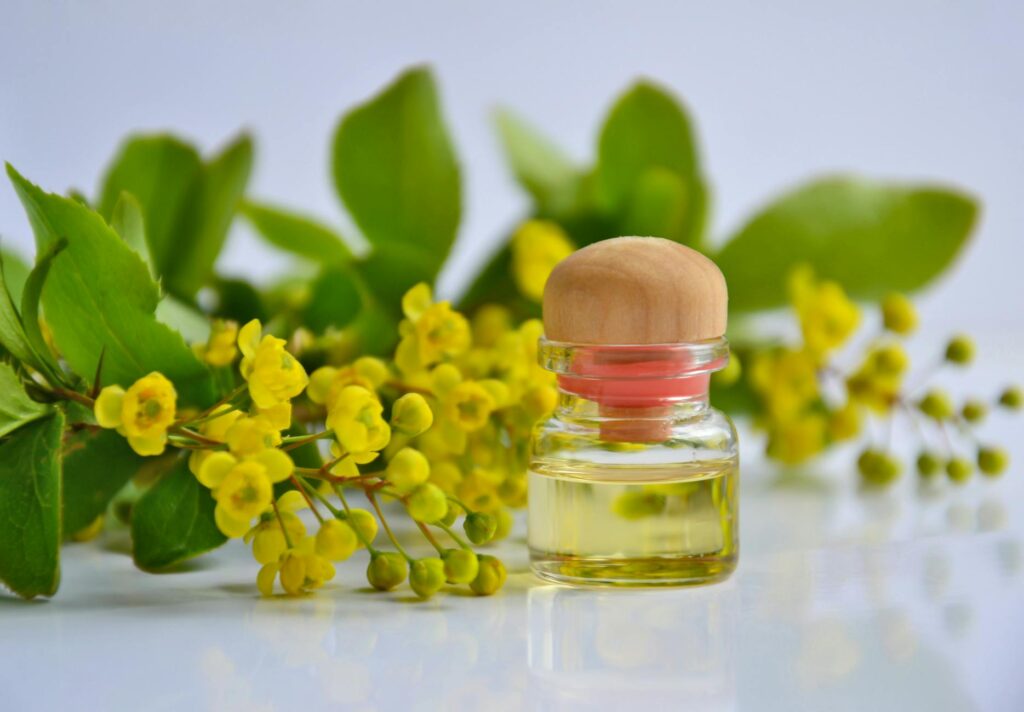
How to Use Aromatherapy Blends for Mood Stabilization
Introduction
Aromatherapy, the practice of using essential oils extracted from plants for therapeutic purposes, has gained popularity as a natural method for enhancing emotional and psychological well-being. Among its myriad applications, mood stabilization through aromatherapy blends has emerged as a focal point of interest for those seeking holistic methods to manage their emotional states. This article explores how to effectively use aromatherapy blends for mood stabilization, delving into their benefits, applications, and considerations for safe use.
What Is Aromatherapy Blends for Mood Stabilization?
Aromatherapy blends specifically designed for mood stabilization combine various essential oils known for their uplifting, calming, or balancing effects. These blends are crafted to target emotional states, promoting feelings of tranquility, happiness, or grounding. Commonly used essential oils in these blends include lavender, bergamot, ylang-ylang, frankincense, and chamomile. The synergistic effects of these oils can enhance their individual properties, leading to a more profound emotional impact.
Key Benefits and Properties
The therapeutic properties of essential oils used in mood stabilization blends can provide several benefits:
1. Emotional Balance: Essential oils can help stabilize mood swings, reduce anxiety, and promote a sense of calm.
2. Stress Relief: Many oils have calming properties that can alleviate stress and tension, creating a peaceful environment.
3. Improved Sleep: Some blends may promote better sleep quality, which is essential for emotional health.
4. Enhanced Focus: Specific oils can improve concentration, thereby aiding in mental clarity and decision-making.
5. Support for Emotional Well-Being: Regular use of mood-stabilizing blends can contribute to a more positive outlook and emotional resilience.
Common Uses
Aromatherapy blends for mood stabilization can be utilized in various ways, making them versatile tools for emotional support. Here are some common applications:
- Diffusion: Using an essential oil diffuser to disperse the blend into the air can create a calming atmosphere in a room.
- Inhalation: Direct inhalation of the oil blend from the bottle or from a cotton ball can provide immediate emotional relief.
- Topical Application: Diluting essential oils with a carrier oil and applying them to pulse points (e.g., wrists, neck) can facilitate a soothing effect.
- Bathing: Adding a few drops of the blend to bathwater can enhance relaxation and promote emotional stability during the bathing experience.
- Massage: Incorporating the blend into massage oil can provide both physical relaxation and emotional relief.
- Patch Test: Before applying any blend to the skin, perform a patch test to check for allergic reactions. Apply a small amount to a discreet area and observe for 24 hours.
- Dilution: Always dilute essential oils with a carrier oil before topical application to minimize the risk of skin irritation.
- Pregnancy and Nursing: Pregnant or nursing individuals should consult a healthcare provider before using essential oils.
- Children and Pets: Some essential oils can be harmful to children and pets. Avoid using certain oils around them and consult a professional if unsure.
- Quality of Oils: Ensure that you are using high-quality, pure essential oils from reputable sources to avoid harmful additives and synthetic fragrances.
- Dark Glass Containers: Store essential oils in dark glass bottles to protect them from light, which can degrade their quality.
- Cool, Dry Place: Keep oils in a cool, dry place away from direct sunlight and heat sources.
- Shelf Life: Most essential oils have a shelf life of 1-3 years, depending on the type. Citrus oils tend to have a shorter shelf life than woody or resinous oils. Always check for any changes in aroma or consistency before use.
- Lavender: Known for its calming properties.
- Bergamot: Often used to alleviate stress and anxiety.
- Ylang-Ylang: Helps promote feelings of joy and relaxation.
- Frankincense: Often used for grounding and calming.
- Chamomile: Known for its soothing effects.
Aromatherapy Applications
Diffusion
To create a calming environment, consider using a diffuser. Fill the diffuser with water as per the manufacturer’s instructions and add 5-10 drops of your chosen mood-stabilizing blend. Turn it on, and allow the aroma to fill the space.
Inhalation
For immediate effects, inhale the blend directly. Place a few drops on a cotton ball or tissue and breathe deeply. This method is effective for quick emotional relief, particularly in stressful situations.
Topical Application
When applying essential oils topically, dilution with a carrier oil such as sweet almond oil or jojoba oil is crucial to avoid skin irritation. A typical dilution ratio is 2-3 drops of essential oil per teaspoon of carrier oil. Apply the blend to pulse points or areas of tension, such as the neck or shoulders.
Bathing
For a soothing bath experience, add 5-10 drops of the essential oil blend to a warm bath. The heat of the water will help release the oils’ aromatic compounds, enhancing relaxation. To prevent the oils from floating on the surface, consider mixing them with a dispersant like milk or Epsom salt before adding them to the bath.
Massage
Incorporating the mood-stabilizing blend into a massage can enhance both physical and emotional relaxation. Mix the essential oil blend with a carrier oil and use it during a self-massage or while receiving a massage from a skilled practitioner.
Safety Considerations
While aromatherapy is generally considered safe, certain precautions should be taken:
Storage and Shelf Life
Proper storage of essential oils is essential for maintaining their potency and effectiveness. Here are some guidelines:
Frequently Asked Questions
Can aromatherapy blends replace traditional therapy or medication?
While aromatherapy can be a beneficial complementary practice for emotional well-being, it should not be seen as a substitute for professional medical advice, therapy, or prescribed medications. Always consult a healthcare provider for any mental health concerns.
How often can I use aromatherapy blends for mood stabilization?
The frequency of use depends on individual preference and sensitivity. Many people find daily use beneficial, while others may prefer to use blends as needed. Listen to your body and adjust accordingly.
Are there specific essential oils that are particularly effective for mood stabilization?
Some commonly used essential oils for mood stabilization include:
Can I create my own mood-stabilizing blends?
Yes, creating your own blends can be a rewarding and personalized experience. Start with a base oil and combine 2-3 essential oils known for their mood-stabilizing properties. Experiment with ratios to find the aroma and effects that resonate with you.
What should I do if I experience an adverse reaction to an essential oil?
If you experience any adverse reactions, such as skin irritation or respiratory issues, discontinue use immediately. Rinse the affected area with carrier oil (not water) if irritation occurs. If symptoms persist, seek medical advice.
Conclusion
Aromatherapy blends offer a natural and holistic approach to mood stabilization. By understanding the properties, benefits, and safe applications of essential oils, individuals can effectively incorporate these blends into their daily routines. Whether through diffusion, topical application, or relaxing baths, the right aromatherapy blend can serve as a valuable tool for emotional well-being. Always approach aromatherapy thoughtfully, respecting the potency of these natural substances while enjoying their calming and uplifting effects.