
How to Use Aromatherapy Blends for Motivation
Introduction
In today’s fast-paced world, maintaining motivation can be a challenge. Many people seek natural methods to enhance their focus, energy, and drive. One such method is aromatherapy, a practice that utilizes the therapeutic properties of essential oils to promote emotional and physical well-being. This article delves into how aromatherapy blends can serve as potent tools for motivation, outlining their composition, benefits, applications, and safe usage.
What Is Aromatherapy Blends for Motivation?
Aromatherapy blends for motivation are carefully curated combinations of essential oils designed to stimulate the mind and uplift the spirit. These blends often include oils that are known for their invigorating and energizing properties. Common components might include citrus oils, minty scents, and other stimulating botanicals, each contributing unique characteristics that can enhance motivation and focus.
The essence of these blends lies in their aromatic compounds, which interact with the brain’s olfactory system, influencing mood and emotion. By inhaling or applying these blends, individuals can potentially experience increased energy levels, decreased feelings of fatigue, and an overall boost in motivation.
Key Benefits and Properties
The benefits of using aromatherapy blends for motivation extend beyond merely improving mood. The essential oils commonly found in these blends provide various properties that can support motivation:
1. Energizing Effects: Citrus oils like lemon and orange are known for their uplifting properties, often helping to combat feelings of lethargy.
2. Mental Clarity: Oils such as peppermint and rosemary are reputed for their ability to enhance focus and cognitive function, aiding in clarity of thought.
3. Stress Reduction: Stress can significantly hinder motivation. Oils like lavender and bergamot can help alleviate anxiety, creating a conducive environment for productivity.
4. Emotional Balance: Certain oils, like ylang-ylang and jasmine, can promote emotional stability and resilience, essential for maintaining motivation during challenging tasks.
5. Invigoration: Spicy oils such as ginger and cinnamon can stimulate the senses and enhance feelings of warmth, often boosting energy levels.
Common Uses
Aromatherapy blends for motivation can be used in various settings and situations, including:
1. Work Environments: Utilizing these blends in an office can create a more stimulating atmosphere, helping to maintain focus during long hours of work.
2. Study Sessions: Students can benefit from these blends during study sessions, as they may enhance concentration and retention of information.
3. Physical Activities: Applying motivational blends before exercise can invigorate the body and mind, enhancing performance and endurance.
4. Creative Endeavors: Artists and writers may find that certain blends help unlock creativity and inspire new ideas.
5. Daily Routines: Incorporating these blends into morning routines can set a positive tone for the day, fostering a motivated mindset.
Aromatherapy Applications
There are several methods for applying aromatherapy blends for motivation, each with its own unique benefits:
Diffusion
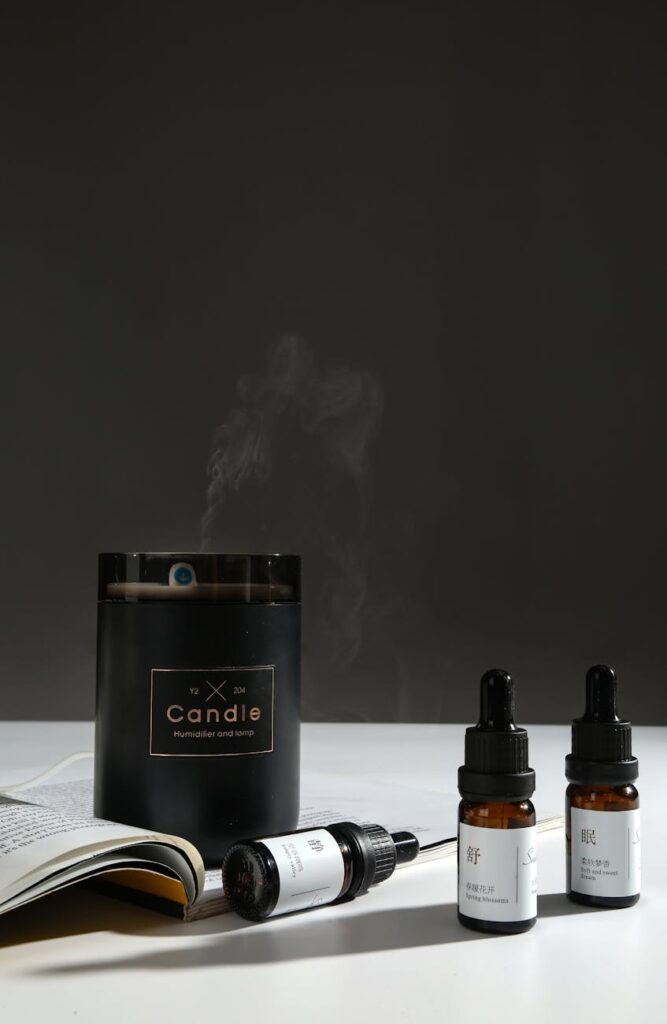
One of the most popular methods is using a diffuser. By adding a few drops of a motivational blend to a diffuser filled with water, individuals can disperse the aromatic compounds into the air, filling a room with invigorating scents. This method is particularly effective in shared spaces, promoting a collective sense of motivation.
Topical Application
Essential oils can also be applied topically, though they should always be diluted with a carrier oil (such as jojoba or coconut oil) to prevent skin irritation. Common application areas include pulse points (like the wrists and temples) or the back of the neck. This method allows the oils to penetrate the skin, providing both aromatic and therapeutic benefits.
Inhalation
For a quick boost, inhalation is an excellent option. Simply placing a few drops of an essential oil blend on a tissue or in the palms and inhaling deeply can provide immediate effects. This method can be particularly useful during moments of low energy or focus.
Bathing
Incorporating essential oils into a bath can create a relaxing yet invigorating experience. Adding a few drops of a motivational blend to warm bathwater can help rejuvenate both body and mind.
Sprays
Creating a room spray with essential oils combined with water and a mild emulsifier (like witch hazel) can provide a quick and easy way to refresh a space and elevate mood. Simply spray the blend in the air or on linens for a burst of motivation.
Safety Considerations
While essential oils are generally safe when used properly, there are important safety considerations to keep in mind:
1. Dilution: Always dilute essential oils with a carrier oil before applying them to the skin. This reduces the risk of irritation or sensitization.
2. Quality of Oils: Use high-quality, pure essential oils from reputable sources. Adulterated oils may not provide the desired benefits and can even pose health risks.
3. Allergies and Sensitivities: Conduct a patch test before using a new oil to check for allergic reactions. If you experience irritation or discomfort, discontinue use immediately.
4. Pregnancy and Medical Conditions: Some essential oils are not recommended for pregnant women or individuals with certain medical conditions. Always consult a knowledgeable source if uncertain.
5. Children and Pets: Keep essential oils out of reach of children and pets, as some oils can be toxic to them.
Storage and Shelf Life
Proper storage of essential oils is crucial for maintaining their efficacy. Here are some tips:
1. Cool, Dark Place: Store oils in a cool, dark place away from direct sunlight and heat. A dark glass bottle is ideal, as it protects the oils from light degradation.
2. Tightly Sealed: Ensure that bottles are tightly sealed to prevent evaporation and contamination.
3. Shelf Life: Most essential oils have a shelf life of 1 to 5 years, depending on the type. Citrus oils tend to have a shorter shelf life, while oils such as patchouli and sandalwood can last longer.
Frequently Asked Questions
Can I create my own motivational blends?
Absolutely! Experimenting with different combinations of essential oils can yield personalized blends that suit your unique preferences and needs. Start with a base oil, then gradually add other oils until you find a combination that resonates with you.
How often can I use aromatherapy blends for motivation?
You can use aromatherapy blends as often as needed, but be mindful of overexposure. When applying topically, limit usage to a few times a day to prevent skin irritation.
Are there specific oils that are best for motivation?
While individual responses to scents can vary, some commonly used essential oils for motivation include lemon, peppermint, rosemary, eucalyptus, and ginger. Experimenting with different oils can help you identify which ones work best for you.
Can I mix different essential oils together?
Yes, blending different essential oils can create complex scents and enhance their synergistic effects. Just ensure the oils you choose have complementary properties for motivation.
Is it safe to diffuse essential oils around pets?
Some essential oils can be harmful to pets, especially cats and dogs. Always research the specific oils you intend to use and consult a veterinarian if unsure.
Conclusion
Aromatherapy blends for motivation offer a natural and effective way to enhance focus, energy, and emotional well-being. By understanding the properties and applications of various essential oils, individuals can create personalized experiences that support their daily activities and aspirations. With proper knowledge and safety considerations, aromatherapy can serve as a valuable ally in the quest for sustained motivation and productivity.