
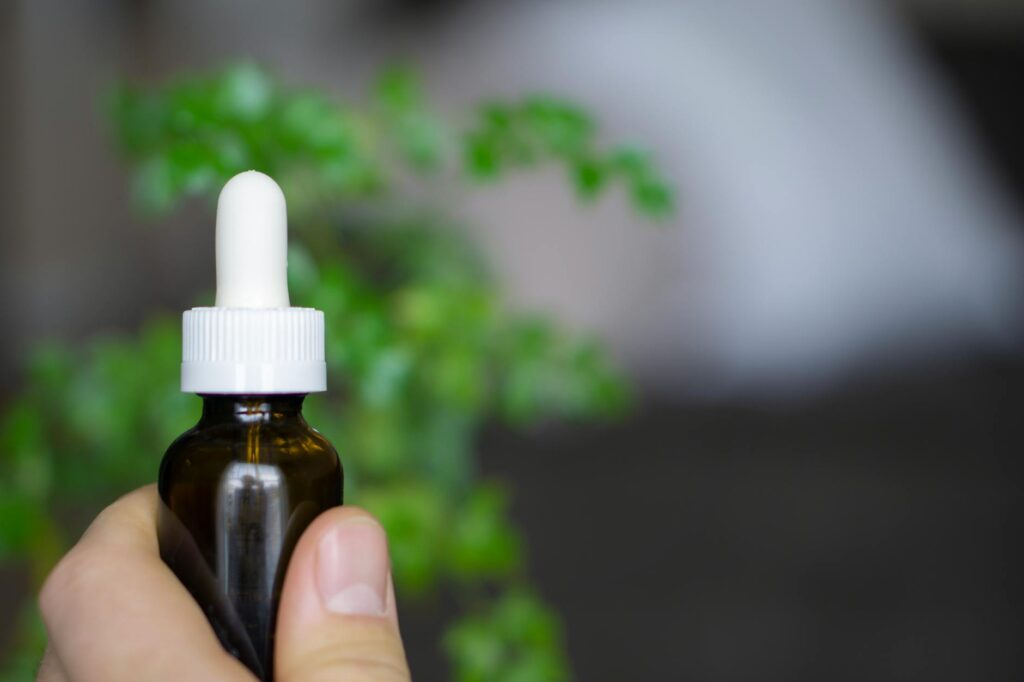
How to Use Aromatherapy Blends for Post-Surgery Recovery
Introduction
Aromatherapy, the therapeutic use of aromatic plant extracts, has gained prominence for its potential benefits in various health and wellness contexts. One area where aromatherapy is increasingly recognized is in post-surgery recovery. This article explores how aromatherapy blends can support recovery, providing insights into their benefits, common uses, applications, safety considerations, and more.
What Are Aromatherapy Blends for Post-Surgery Recovery?
Aromatherapy blends consist of essential oils combined to create specific aromas that may provide various therapeutic effects. For post-surgery recovery, these blends typically incorporate oils known for their calming, pain-relieving, and anti-inflammatory properties. The objective is to enhance emotional well-being, alleviate discomfort, and foster a conducive healing environment.
Common essential oils used in these blends may include lavender, chamomile, peppermint, and eucalyptus, among others. Each oil contributes unique properties, and when combined, they can create a synergistic effect that promotes holistic recovery.
Key Benefits and Properties
Aromatherapy blends for post-surgery recovery can offer several potential benefits:
1. Pain Relief: Certain essential oils have analgesic properties that may help reduce the perception of pain. For example, peppermint oil is often noted for its cooling effect and ability to alleviate headaches and muscle pain.
2. Reduced Anxiety and Stress: Surgery can be a significant source of anxiety. Essential oils like lavender and chamomile are renowned for their calming effects, which may help alleviate stress and promote relaxation.
3. Improved Sleep Quality: Adequate rest is crucial for recovery. Oils such as bergamot and cedarwood can help create a soothing atmosphere that encourages restful sleep.
4. Enhanced Circulation: Certain oils, such as rosemary and ginger, may support circulation, which is essential for healing by promoting nutrient delivery to damaged tissues.
5. Antimicrobial Properties: Some essential oils, like tea tree and eucalyptus, possess antimicrobial qualities that can be beneficial during recovery, helping to keep the surgical site free from infection.
Common Uses
Aromatherapy blends can be used in various ways during the post-surgery recovery phase:
1. Diffusion: Using a diffuser to disperse essential oils into the air can create a soothing environment conducive to relaxation and healing.
2. Topical Application: Diluted essential oils can be applied to the skin in areas away from the surgical site to aid in pain relief and relaxation. Always ensure that the oils are appropriately diluted with a carrier oil.
3. Baths: Adding essential oils to a warm bath can provide a calming experience, helping to soothe sore muscles and promote relaxation.
4. Inhalation: Inhaling the aroma of essential oils directly from the bottle or through an inhaler can provide immediate relief from stress and discomfort.
5. Compresses: A warm or cool compress infused with essential oils can be applied to areas of discomfort, providing localized relief.
Aromatherapy Applications
1. Diffusion
To create a calming environment, consider a blend of lavender, chamomile, and bergamot. Using a diffuser, add a few drops of each oil with water according to the manufacturer’s instructions. This setting can help reduce anxiety and promote relaxation.
2. Topical Application
For localized pain relief, a blend of peppermint and lavender can be beneficial. Mix a few drops of each essential oil with a carrier oil like coconut or jojoba oil. Test a small area of skin for sensitivity before broader application.
3. Bathing
A soothing bath can be enhanced with a combination of eucalyptus and rosemary. Add approximately 5-10 drops of the essential oils to a warm bath for a relaxing experience. Ensure the oils are mixed with a dispersing agent, such as milk or a bath gel, to prevent skin irritation.
4. Inhalation
To quickly alleviate stress, use a simple inhaler or a cotton ball with a few drops of lavender or chamomile oil. Inhale deeply to promote a sense of calm.
5. Compresses
For areas of discomfort, prepare a compress with diluted essential oils. Soak a clean cloth in water infused with a few drops of lavender and peppermint, wring it out, and apply it to the affected area.
Safety Considerations
While aromatherapy can be an effective complementary approach to recovery, certain precautions should be taken:
1. Consultation: Always consult with a healthcare professional before using essential oils, especially if you have underlying health conditions or are taking medication.
2. Dilution: Essential oils are highly concentrated and should always be diluted with a carrier oil when applied topically to avoid skin irritation.
3. Allergic Reactions: Conduct a patch test on a small area of skin to check for any allergic reactions before full application.
4. Pregnancy and Nursing: Pregnant or nursing individuals should exercise caution and consult a healthcare provider before using essential oils.
5. Quality of Oils: Use high-quality, pure essential oils from reputable sources to ensure safety and efficacy.
Storage and Shelf Life
Proper storage of essential oils is essential to maintain their potency and effectiveness. Here are some guidelines:
1. Cool, Dark Place: Store essential oils in a cool, dark place, away from direct sunlight and heat sources. This helps prolong their shelf life.
2. Tightly Sealed Containers: Ensure that bottles are tightly sealed to prevent evaporation and contamination.
3. Expiration Dates: Pay attention to the expiration dates provided by the manufacturer. Generally, essential oils have a shelf life of 1-3 years, depending on the type.
4. Glass Bottles: Store oils in dark glass bottles to protect them from light degradation.
Frequently Asked Questions
1. Can I use essential oils immediately after surgery?
It is advisable to wait until your healthcare provider gives the go-ahead for any additional therapies, including aromatherapy.
2. What essential oils are best for post-surgery recovery?
Some commonly recommended essential oils include lavender, chamomile, peppermint, eucalyptus, and tea tree oil. Each offers unique benefits that may support recovery.
3. How do I know if I’m allergic to an essential oil?
Conduct a patch test by applying a diluted drop of the oil to a small area of skin and observing for any reaction over 24 hours.
4. Can essential oils interact with medications?
Some essential oils may interact with certain medications. Always consult with a healthcare provider if you are taking prescription medications.
5. Are there any contraindications for specific essential oils?
Yes, certain essential oils are contraindicated for pregnancy, specific health conditions, or when taking certain medications. Consult a healthcare professional for personalized advice.
Conclusion
Aromatherapy blends can serve as a supportive tool in the post-surgery recovery process. With their potential to alleviate pain, reduce anxiety, and improve overall well-being, they offer a holistic approach to healing. It is essential, however, to use these blends safely and in conjunction with professional medical advice. By understanding the benefits, applications, and safety considerations, individuals can harness the power of aromatherapy for a smoother recovery journey.