
How to Use Aromatherapy Blends for Post-Traumatic Stress Relief
Introduction
Post-Traumatic Stress Disorder (PTSD) is a complex mental health condition that can arise after experiencing or witnessing traumatic events. While professional treatment is crucial for managing PTSD, complementary therapies such as aromatherapy can provide additional support for emotional well-being. Aromatherapy involves the use of essential oils extracted from plants to promote physical, emotional, and psychological healing. This article explores how aromatherapy blends can be effectively utilized for relief from the symptoms associated with PTSD.
What Is Aromatherapy Blends for Post-Traumatic Stress Relief?
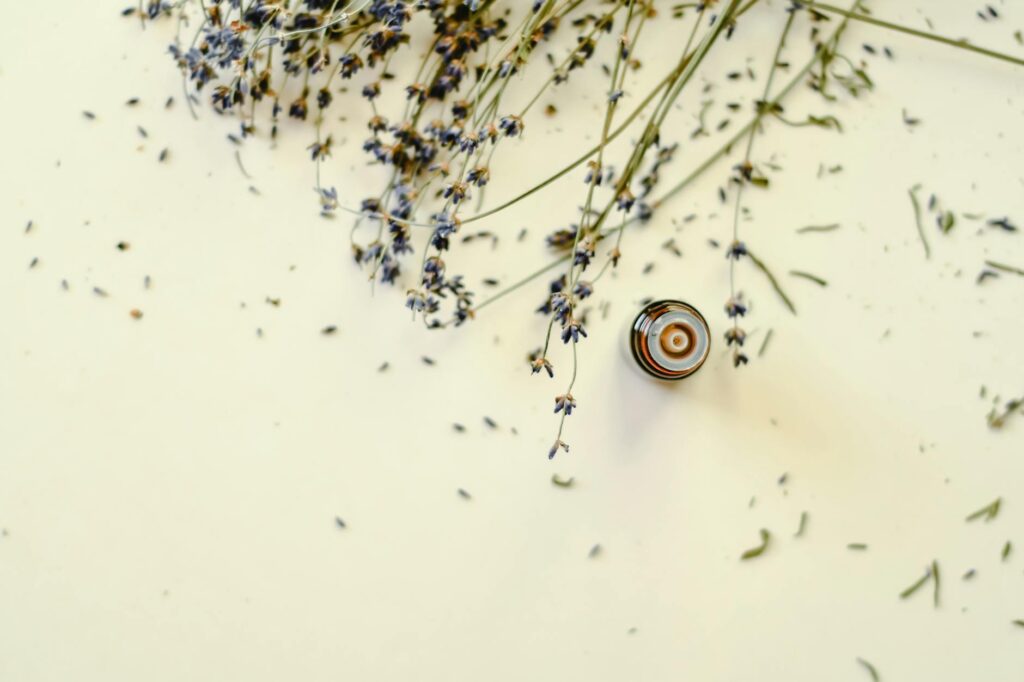
Aromatherapy blends are combinations of essential oils that are specifically formulated to address various emotional and psychological challenges. In the context of PTSD, these blends are crafted to help reduce anxiety, promote relaxation, and foster a sense of emotional stability. Common essential oils used in these blends include lavender, chamomile, frankincense, and bergamot, each possessing unique properties that contribute to emotional healing.
Key Benefits and Properties
The therapeutic properties of essential oils make them valuable allies in the journey toward emotional recovery. Key benefits of aromatherapy blends for PTSD include:
1. Anxiety Reduction: Certain essential oils, such as lavender and chamomile, are well-known for their calming effects, helping to alleviate feelings of anxiety and tension.
2. Mood Elevation: Oils like bergamot and sweet orange can uplift the spirit and promote feelings of joy, countering the emotional heaviness often associated with PTSD.
3. Enhanced Sleep Quality: Many individuals with PTSD struggle with sleep disturbances. Essential oils such as cedarwood and vetiver can improve sleep quality and promote relaxation.
4. Grounding and Centering: Oils like frankincense and sandalwood can facilitate a sense of grounding, helping individuals reconnect with the present moment and alleviate feelings of dissociation.
5. Support for Emotional Release: Many essential oils have been found to assist in emotional processing, allowing individuals to express and release pent-up feelings.
Common Uses
Aromatherapy blends can be utilized in various ways to support those dealing with PTSD. Some common applications include:
- Diffusion: Using an essential oil diffuser to disperse the aroma into the air creates a calming environment conducive to relaxation and emotional healing.
- Topical Application: Blending essential oils with a carrier oil allows for safe application on the skin, particularly on pulse points or areas of tension.
- Inhalation: Inhaling essential oils directly from the bottle or via a cotton ball can provide immediate relief in moments of anxiety or stress.
- Bathing Rituals: Adding essential oils to a warm bath can transform an ordinary bathing experience into a therapeutic ritual that promotes relaxation and emotional release.
- Massage: Incorporating aromatherapy blends into massage therapy can enhance the overall experience by combining the physical benefits of touch with the emotional support of essential oils.
- Calming Blend:
- 3 drops Lavender (Lavandula angustifolia)
- 2 drops Bergamot (Citrus bergamia)
- 2 drops Frankincense (Boswellia carterii)
- 2 tablespoons of carrier oil (such as sweet almond oil or jojoba oil)
- Dilution: Essential oils are highly concentrated and should be diluted in a carrier oil before topical application to avoid skin irritation.
- Sensitivity: Conduct a patch test before using a new blend to check for potential allergic reactions or sensitivities.
- Consultation: While aromatherapy is generally safe, individuals with specific health concerns, pregnant women, and children should consult with a qualified professional before use.
- Quality of Oils: Opt for high-quality, pure essential oils to ensure effectiveness and safety. Look for reputable brands that provide information on sourcing and testing.
- Containers: Use dark glass bottles to protect the oils from light, which can degrade their quality.
- Temperature: Store essential oils in a cool, dry place away from direct sunlight and heat sources.
- Shelf Life: While most essential oils have a shelf life of one to three years, some oils, such as citrus oils, may have a shorter shelf life. Always check for any changes in scent or appearance before use.
Aromatherapy Applications
1. Creating Your Own Blends
When crafting aromatherapy blends for PTSD, it is essential to consider individual preferences and sensitivities. A simple recipe to start may include:
Combine the essential oils with the carrier oil in a glass dropper bottle. This blend can be applied topically to pulse points or used in a diffuser for atmospheric support.
2. Pre-Made Blends
For those who are not inclined to create their own blends, many companies offer pre-made aromatherapy blends specifically designed for emotional support. Look for blends that contain calming and uplifting oils. Always read the ingredients to ensure they meet individual needs and sensitivities.
3. Inhalers and Roll-Ons
Inhalers and roll-on bottles are discrete and portable options for using aromatherapy blends. These can be particularly useful in stressful situations, allowing for quick and easy access to calming scents.
Safety Considerations
While aromatherapy can provide significant benefits, it is essential to approach its use with caution:
Storage and Shelf Life
Proper storage of essential oils is crucial for maintaining their therapeutic properties. Here are some guidelines:
Frequently Asked Questions
1. Can aromatherapy replace traditional therapy for PTSD?
Aromatherapy should not be seen as a replacement for professional mental health treatment. It can serve as a complementary approach to help manage symptoms when used alongside traditional therapies.
2. How long does it take to see results from aromatherapy blends?
The effectiveness of aromatherapy can vary from person to person. Some individuals may experience immediate relief, while others may require consistent use over time to notice benefits.
3. Are there any essential oils to avoid for PTSD?
While most essential oils are generally safe, some oils may exacerbate anxiety or trigger sensitivities. It is advisable to avoid stimulating oils like peppermint or eucalyptus if they increase feelings of anxiety.
4. How often should I use aromatherapy blends?
The frequency of use can depend on individual needs and preferences. Many find benefit in daily use, while others may prefer to use them during moments of heightened anxiety or stress.
5. Can children use aromatherapy blends for PTSD?
Aromatherapy can be beneficial for children, but it is crucial to consult with a healthcare provider to ensure safety and appropriateness. Use essential oils that are safe for children and always dilute properly.
Conclusion
Aromatherapy blends offer a gentle and holistic approach to support emotional well-being for individuals experiencing PTSD. By harnessing the therapeutic properties of essential oils, these blends can promote relaxation, reduce anxiety, and foster emotional stability. While aromatherapy is not a substitute for professional treatment, it can serve as a valuable tool in a comprehensive approach to emotional healing. Always prioritize safety, seek quality sources, and tailor the use of essential oils to personal preferences for the best experience.