
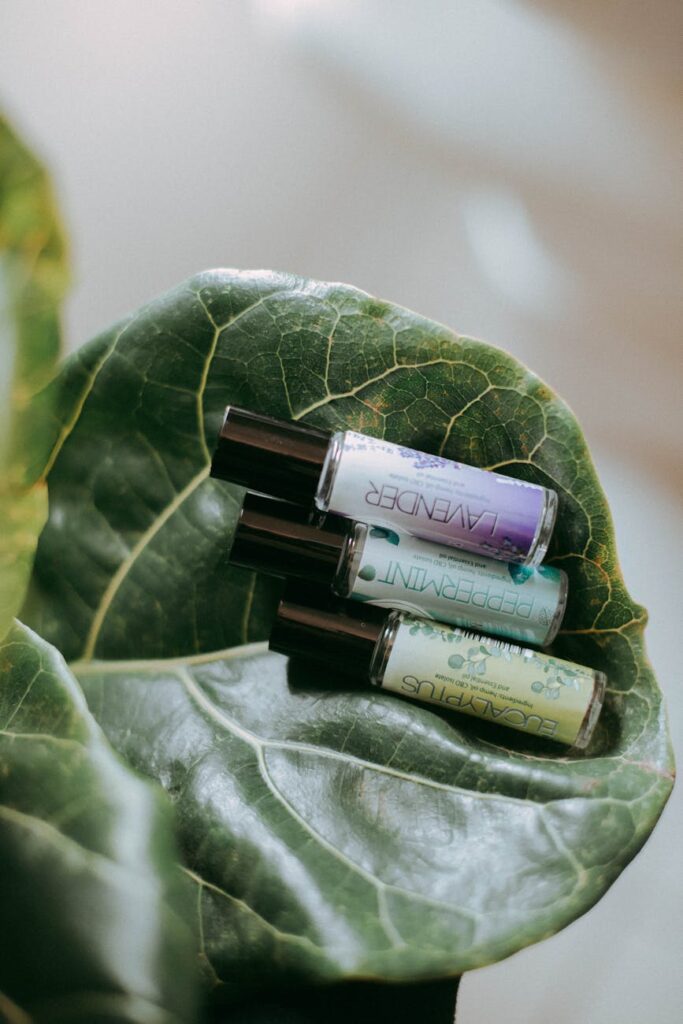
How to Use Aromatherapy Blends for Relaxation and Calmness
Introduction
Aromatherapy, the practice of using essential oils extracted from plants, has gained popularity for its potential benefits in promoting relaxation and calmness. By harnessing the natural properties of these oils, individuals can create an environment that fosters tranquility, decreases stress, and enhances overall well-being. This article explores the nature of aromatherapy blends specifically designed for relaxation, detailing their benefits, applications, and safe usage.
What Are Aromatherapy Blends for Relaxation and Calmness?
Aromatherapy blends for relaxation and calmness are carefully formulated combinations of essential oils that work synergistically to create soothing effects on the mind and body. These blends typically include a variety of essential oils known for their calming properties, such as lavender, chamomile, sandalwood, and bergamot. Each oil contributes unique characteristics, making the blends versatile and effective for various situations requiring relaxation.
Key Benefits and Properties
1. Stress Reduction
Many essential oils possess properties that may help reduce stress levels. For instance, lavender and chamomile are renowned for their ability to calm the mind and promote feelings of tranquility.
2. Enhanced Sleep Quality
Certain aromatherapy blends can aid in improving sleep quality. Oils like sandalwood and ylang-ylang are used to create a restful environment conducive to sleep.
3. Mood Enhancement
The olfactory system is closely linked to emotional responses. Inhaling certain essential oils can uplift mood and promote a sense of well-being. Bergamot oil, for example, is often utilized for its mood-enhancing properties.
4. Physical Relaxation
Some essential oils, such as marjoram and frankincense, may help relax muscles and relieve tension, complementing the psychological benefits of aromatherapy.
5. Support for Mindfulness Practices
Aromatherapy blends can be integrated into meditation and mindfulness practices, enhancing focus and promoting deeper relaxation during sessions.
Common Uses
Aromatherapy blends for relaxation and calmness can be used in various settings and methods. Here are some common applications:
1. Diffusion
Using an essential oil diffuser is one of the most popular ways to disperse the aroma of relaxation blends throughout a space. The gentle mist of essential oils can create a serene atmosphere in homes, offices, or during yoga and meditation sessions.
2. Topical Application
Diluting essential oils in a carrier oil enables safe application on the skin. Areas such as the wrists, neck, or temples are common spots for application to benefit from the oils’ calming effects.
3. Bath Soaks
Adding aromatherapy blends to bathwater can enhance relaxation during a soak. The warm water combined with essential oils creates a soothing experience that can relieve tension and promote calm.
4. Inhalation
Direct inhalation from the bottle or using a tissue can provide immediate benefits. This method is especially useful for on-the-go relaxation, such as during stressful situations at work or while traveling.
5. Pillow and Linen Sprays
Creating a mist with essential oils and water can enhance the calming environment of a bedroom, making it easier to unwind and sleep.
Aromatherapy Applications
1. Creating Your Own Blend
Crafting a personalized blend allows individuals to tailor scents to their preferences. Here’s a simple recipe to create a calming blend:
- Ingredients:
- 5 drops of lavender essential oil
- 3 drops of chamomile essential oil
- 2 drops of bergamot essential oil
- 1 tablespoon of carrier oil (such as jojoba or sweet almond oil)
- Instructions:
1. Combine the essential oils in a small glass bottle.
2. Add the carrier oil and mix well.
3. Store in a cool, dark place.
2. Using Pre-Made Blends
Many companies offer pre-made aromatherapy blends, which can be convenient for those who prefer not to create their own. Look for blends specifically labeled for relaxation and calmness.
3. Incorporating into Daily Routines
Integrating aromatherapy into daily routines can enhance the overall experience. Consider diffusing essential oils in the morning to set a positive tone for the day or using them during evening rituals to wind down.
Safety Considerations
While aromatherapy is generally considered safe for most individuals, some precautions should be observed:
1. Dilution
Essential oils are potent and should be diluted with a carrier oil before applying to the skin. A common dilution ratio is 2-3% for topical use (approximately 10-15 drops of essential oil per ounce of carrier oil).
2. Patch Testing
Before using a new essential oil blend on the skin, conduct a patch test. Apply a small amount to a discreet area and wait 24 hours to check for any adverse reactions.
3. Avoiding Sensitive Areas
Keep essential oils away from sensitive areas, such as the eyes and mucous membranes.
4. Consultation
Individuals with specific health conditions, pregnant women, or those with sensitivities should consult a healthcare professional before using essential oils.
Storage and Shelf Life
Proper storage of essential oils is essential for maintaining their potency. Here are some tips:
1. Dark Glass Containers
Store essential oils in dark glass bottles to protect them from light, which can degrade their quality.
2. Cool, Dry Locations
Keep oils in a cool, dry place away from direct sunlight and heat sources.
3. Shelf Life
Most essential oils have a shelf life of 1-3 years, depending on the type. Citrus oils, for instance, may have a shorter shelf life compared to woody oils like cedarwood or sandalwood.
Frequently Asked Questions
1. Can anyone use aromatherapy blends?
Generally, most people can use aromatherapy blends. However, individuals with allergies, pregnant women, and those with specific health concerns should consult with a healthcare provider before use.
2. What is the best way to diffuse essential oils?
Using a quality essential oil diffuser is recommended for even dispersion of oils. Alternatively, you can add oils to a bowl of hot water or use an oil burner.
3. How often should I use aromatherapy blends for relaxation?
The frequency of use depends on personal preference. Many individuals find daily use beneficial, especially during stressful periods.
4. Are there any essential oils to avoid for relaxation?
While most essential oils can promote relaxation, some oils, like peppermint, may be too stimulating for certain individuals. It’s best to choose oils known for their calming properties.
5. Can I mix different essential oils?
Yes, blending different essential oils can create unique fragrances and enhance the benefits. It’s best to start with a few oils and adjust based on personal preference.
Conclusion
Aromatherapy blends for relaxation and calmness offer a natural way to enhance well-being and create serene environments. By understanding the properties, applications, and safety considerations associated with these blends, individuals can effectively integrate aromatherapy into their daily lives. Whether through diffusion, topical application, or other methods, the soothing effects of essential oils can significantly contribute to a more relaxed and balanced lifestyle.