
How to Use Aromatherapy Blends for Relaxation and Sleep Induction
Introduction
In our fast-paced world, the importance of relaxation and adequate sleep cannot be overstated. Aromatherapy, a practice that utilizes essential oils extracted from plants, has gained considerable popularity as a natural method for promoting relaxation and improving sleep quality. This article explores the concept of aromatherapy blends specifically designed for relaxation and sleep induction, their benefits, common uses, and safety considerations.
What Is Aromatherapy Blends for Relaxation and Sleep Induction?
Aromatherapy blends are combinations of essential oils aimed at creating a harmonious atmosphere conducive to relaxation and sleep. These blends harness the therapeutic properties of various essential oils, each contributing unique scents and benefits. When inhaled or applied to the skin, these aromas are believed to interact with the brain’s limbic system, which plays a crucial role in emotion and memory, thus promoting a sense of calm and tranquility.
Key Benefits and Properties
Aromatherapy blends for relaxation and sleep induction offer several key benefits:
1. Stress Reduction
Many essential oils, such as lavender and chamomile, are known for their ability to reduce stress and anxiety levels. The soothing scents can help calm the nervous system and promote a sense of peace.
2. Improved Sleep Quality
Certain essential oils possess sedative properties that can aid in falling asleep faster and achieving deeper sleep stages. Oils like bergamot and sandalwood are often used for their sleep-inducing qualities.
3. Enhanced Mood
Aromatherapy can elevate mood and promote emotional well-being. Scents like ylang-ylang and sweet orange can uplift spirits while simultaneously providing relaxation.
4. Mindfulness and Meditation
Incorporating aromatherapy into mindfulness practices can enhance focus and deepen the meditative experience. The right blend can create a serene environment that encourages introspection and calm.
5. Physical Relaxation
Some essential oils have muscle-relaxing properties. Oils like marjoram and peppermint can alleviate physical tension, further promoting relaxation and readiness for sleep.
Common Uses
Aromatherapy blends can be utilized in various ways to enhance relaxation and promote sleep:
1. Diffusion
Using an essential oil diffuser is one of the most popular methods. By dispersing the blend into the air, users can enjoy a continuous aroma that fills the space, creating a calming atmosphere.
2. Topical Application
Diluting essential oils with a carrier oil and applying them to pulse points (such as wrists, neck, or behind the ears) can provide localized benefits. This method allows for direct absorption through the skin.
3. Bathing
Adding aromatherapy blends to a warm bath can enhance relaxation. The combination of warm water and soothing aromas can create a tranquil experience, perfect for unwinding before bedtime.
4. Pillow Sprays
Creating a pillow spray with a calming blend can help prepare the mind and body for sleep. Spraying the blend onto bedding or pillows can create a comforting sleep environment.
5. Inhalation
Simply inhaling the aroma from a bottle or using an inhaler can provide immediate benefits. This method is particularly useful when on the go or when a quick relaxation boost is needed.
Aromatherapy Applications
When crafting aromatherapy blends for relaxation and sleep induction, consider the following popular essential oils:
1. Lavender (Lavandula angustifolia)
Renowned for its calming properties, lavender is often the cornerstone of relaxation blends. Its sweet floral scent promotes tranquility and can aid in reducing anxiety.
2. Bergamot (Citrus bergamia)
Bergamot’s citrusy aroma has been shown to improve mood while also possessing sedative qualities. It can help alleviate feelings of stress and promote relaxation.
3. Chamomile (Matricaria chamomilla)
Chamomile’s gentle, soothing scent is often associated with sleep. It can help calm the mind and body, making it ideal for evening blends.
4. Frankincense (Boswellia carterii)
Frankincense has grounding properties that can enhance meditation and mindfulness. Its rich, resinous scent promotes a sense of peace and can help quiet the mind.
5. Cedarwood (Cedrus atlantica)
Cedarwood has a warm, woodsy aroma that can help reduce anxiety and promote relaxation. It is often used in sleep blends for its calming effects.
When creating a blend, consider combining oils that complement each other to enhance their individual benefits. For instance, a combination of lavender, chamomile, and bergamot can create a powerful relaxation blend.
Safety Considerations
While aromatherapy is generally safe, certain precautions should be taken:
1. Dilution
Essential oils are highly concentrated and should always be diluted with a carrier oil (like coconut or jojoba oil) before topical application. A common dilution ratio is 2-3 drops of essential oil per teaspoon of carrier oil.
2. Sensitivity Tests
Before using a new essential oil, conduct a patch test to check for skin sensitivity or allergic reactions. Apply a small amount of the diluted oil to a discreet area and observe for any adverse reactions.
3. Pregnancy and Health Conditions
Pregnant women, nursing mothers, and individuals with certain health conditions should consult a qualified professional before using essential oils. Some oils may not be safe during pregnancy or may interact with medications.
4. Children and Pets
Certain essential oils can be harmful to children and pets. Always research the safety of specific oils before using them around animals or young children.
Storage and Shelf Life
To maintain the potency and effectiveness of essential oils, proper storage is essential:
1. Keep Away from Light and Heat
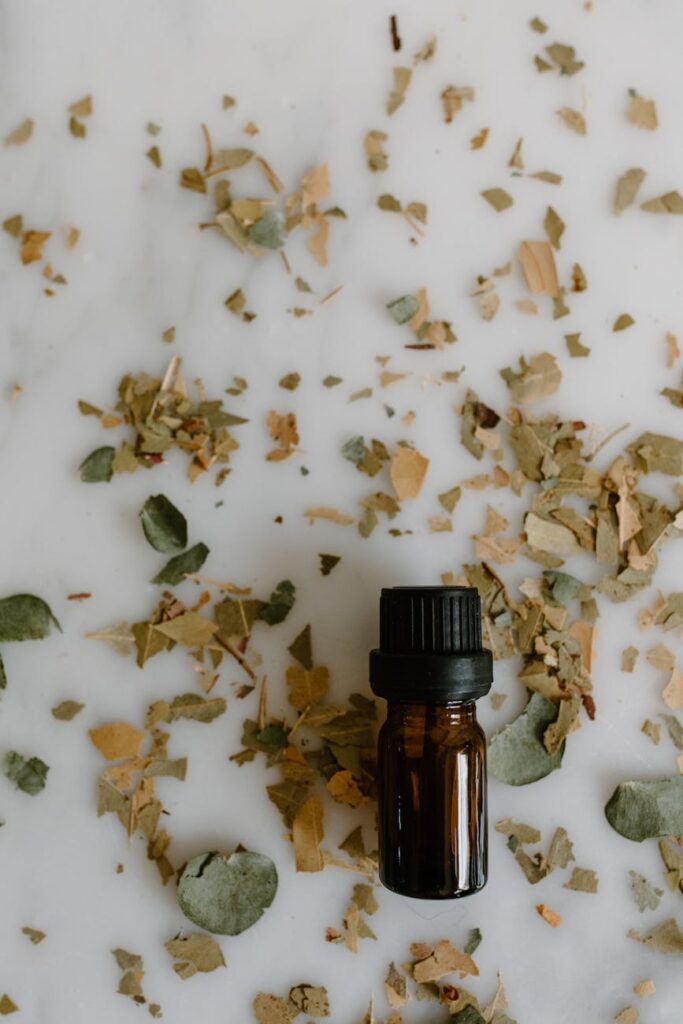
Store essential oils in dark glass bottles, away from direct sunlight and heat sources. Exposure to light and heat can degrade the oils and reduce their therapeutic properties.
2. Tight Sealing
Ensure that bottles are tightly sealed to prevent evaporation and contamination. This helps prolong shelf life.
3. Shelf Life
Most essential oils have a shelf life of 1-3 years when stored correctly. However, some oils, like citrus oils, may have a shorter shelf life due to their chemical composition.
Frequently Asked Questions
1. Can I create my own aromatherapy blends?
Absolutely! Experimenting with different combinations of essential oils can lead to unique and personalized blends. Start with small amounts and adjust according to your preferences.
2. How do I know which oils to choose?
Consider your individual needs and preferences. Research the properties of different essential oils and select those that resonate with you. It can also be helpful to start with well-known calming oils like lavender or chamomile.
3. Can I use aromatherapy blends daily?
Yes, many people use aromatherapy blends daily for relaxation and sleep support. However, it’s essential to listen to your body and adjust usage as needed.
4. Will aromatherapy work for everyone?
While many individuals find relief and relaxation through aromatherapy, responses can vary. It may take some experimentation to discover which oils and blends work best for you.
5. Are there any side effects?
Most individuals tolerate essential oils well, but some may experience skin irritation or allergic reactions. Always conduct a patch test and consult a professional if you have concerns.
Conclusion
Aromatherapy blends for relaxation and sleep induction offer a natural and holistic approach to promoting well-being. By understanding the properties of various essential oils and exploring different methods of application, individuals can create a calming environment that fosters relaxation and improved sleep quality. As with any wellness practice, personal exploration and mindfulness are key to finding what works best for you.