
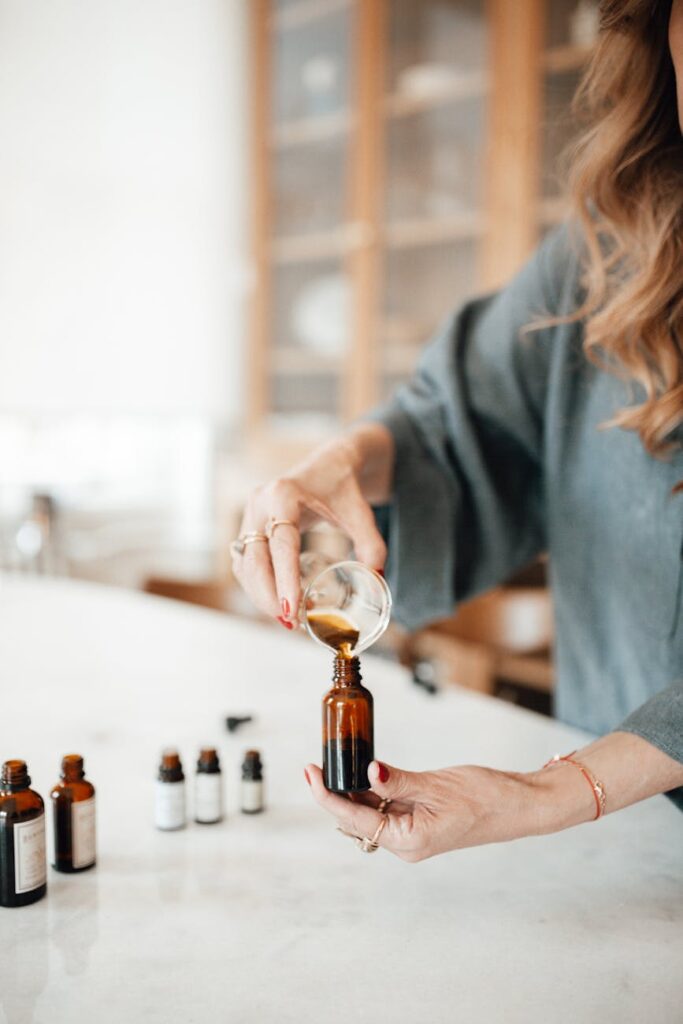
How to Use Aromatherapy Blends for Relaxation
Introduction
Aromatherapy, the practice of using essential oils extracted from plants to enhance physical and emotional well-being, has gained popularity over the years. One of the most sought-after applications of aromatherapy is for relaxation. Aromatherapy blends for relaxation harness the power of various essential oils, each contributing unique properties that promote a sense of calm and tranquility. This article explores the nature of these blends, their benefits, common applications, and safety considerations, providing a comprehensive resource for anyone interested in incorporating aromatherapy into their relaxation routine.
What Is Aromatherapy Blends for Relaxation?
Aromatherapy blends for relaxation are combinations of essential oils specifically chosen for their soothing and calming effects. Essential oils are highly concentrated plant extracts that capture the aromatic compounds of flowers, leaves, bark, and roots. When combined thoughtfully, these oils can create a synergistic effect that enhances their individual properties, resulting in a powerful tool for promoting relaxation.
Common essential oils used in relaxation blends include lavender, chamomile, bergamot, and ylang-ylang. Each of these oils has distinct characteristics that contribute to the overall calming effect. Blending these oils can create a more balanced and effective solution for stress relief and relaxation.
Key Benefits and Properties
The benefits of using aromatherapy blends for relaxation extend beyond mere fragrance. The properties of these essential oils can significantly affect mental and emotional states. Some key benefits include:
1. Stress Reduction: Essential oils like lavender and bergamot are known for their ability to alleviate stress and anxiety, promoting a peaceful state of mind.
2. Improved Sleep Quality: Certain blends can aid in falling asleep and enhancing the quality of sleep. Oils such as chamomile and sandalwood are often used for their sedative properties.
3. Mood Enhancement: Aromatherapy can elevate mood and foster a sense of well-being. Citrus oils, such as sweet orange and lemon, are uplifting and can help combat feelings of sadness or fatigue.
4. Physical Relaxation: The inhalation of certain essential oils can help relieve muscle tension and promote relaxation in the body, making them useful before or after physical activity.
5. Mental Clarity: Some blends can help clear the mind and improve focus, allowing for a better mental state during times of stress.
Common Uses
Aromatherapy blends for relaxation can be utilized in various settings and methods, allowing individuals to tailor their experience to their personal preferences and circumstances. Common uses include:
- Diffusion: Using an essential oil diffuser is one of the most popular methods. By dispersing the aromatic molecules into the air, individuals can create a soothing environment in their homes or workplaces.
- Topical Application: Blends can be diluted with carrier oils and applied to pulse points, such as wrists and temples, or used in a relaxing massage.
- Bathing: Adding essential oils to bath water can create a spa-like experience, enhancing relaxation through both inhalation and skin absorption.
- Inhalation: Direct inhalation from a bottle or a personal inhaler can provide immediate effects, making it a practical option for on-the-go stress relief.
- Sleep Aids: Placing a few drops of a relaxation blend on a pillow or using it in a sleep mask can enhance bedtime routines.
- Dark Glass Bottles: Store essential oils in dark glass bottles to protect them from light, which can degrade their quality.
- Cool, Dry Place: Keep oils in a cool, dry place, away from heat sources and direct sunlight.
- Tightly Sealed: Ensure that bottles are tightly sealed to prevent oxidation and evaporation.
Aromatherapy Applications
Diffusion
To diffuse essential oils, you will need a diffuser, which can be electric or passive (like a clay diffuser). Simply add a few drops of your chosen relaxation blend to the water reservoir, turn on the device, and let the aromatic vapor fill the room. For a stronger scent, you can increase the number of drops or diffuse for longer periods.
Topical Application
When applying essential oils topically, it’s crucial to dilute them with a carrier oil (such as sweet almond, jojoba, or coconut oil) to avoid skin irritation. A general guideline is to mix 3-5 drops of essential oil per tablespoon of carrier oil. Apply to pulse points or massage into areas of tension.
Bathing
To create a relaxing bath, add 5-10 drops of essential oil to a carrier oil or a neutral bath base (such as Epsom salts) before adding it to warm bath water. This method allows for both inhalation and skin absorption, enhancing the overall experience.
Inhalation
For direct inhalation, place a few drops of the essential oil blend on a cotton ball or a personal inhaler. Inhale deeply several times to experience the calming effects. This method is particularly useful during stressful situations or when traveling.
Sleep Aids
To promote better sleep, consider using a sleep spray or pillow mist made from a relaxation blend. Simply combine distilled water with a few drops of essential oil in a spray bottle and lightly mist your pillow before bedtime.
Safety Considerations
While essential oils are natural, they are highly concentrated substances that must be used with care. Here are some safety considerations to keep in mind:
1. Dilution: Always dilute essential oils with a carrier oil before applying them to the skin to prevent irritation or allergic reactions.
2. Patch Test: Conduct a patch test on a small area of skin before using a new oil blend to ensure there are no adverse reactions.
3. Pregnancy and Nursing: Some essential oils are not recommended during pregnancy or breastfeeding. Consult with a knowledgeable professional for guidance.
4. Medical Conditions: Individuals with specific medical conditions or those taking medications should seek advice from a qualified healthcare provider before using essential oils.
5. Children and Pets: Certain oils can be harmful to children and pets. Always research the safety of specific oils before use in environments where they are present.
Storage and Shelf Life
Proper storage of essential oils is essential to maintain their potency and aroma. Here are some guidelines for storage:
The shelf life of essential oils varies depending on the type. Generally, most oils can last from 1 to 3 years if stored correctly. Citrus oils tend to have a shorter shelf life, while resinous oils like frankincense can last longer.
Frequently Asked Questions
1. Can I create my own relaxation blend?
Yes, you can create your own relaxation blend by experimenting with different essential oils known for their calming properties. A common blend might include lavender, chamomile, and bergamot. Start with small amounts and adjust according to your preferences.
2. How do I know which oils to combine?
Research the properties of each essential oil you are considering. Look for those that share similar benefits, such as stress relief or mood enhancement. Consider your personal preferences and any allergies or sensitivities you may have.
3. How often can I use aromatherapy blends for relaxation?
You can use aromatherapy blends as often as you feel necessary. However, if applying topically, it’s recommended to limit use to a few times a day to prevent skin irritation.
4. Are there specific essential oils to avoid?
Certain essential oils, such as those from the mint family, can be stimulating rather than relaxing. Additionally, oils like eucalyptus and rosemary are better suited for respiratory support than for relaxation.
5. How long does the scent of a blend last in a diffuser?
The duration of scent diffusion can vary based on several factors, including the type of diffuser used and the number of drops added. Generally, essential oils can be effectively diffused for 30 minutes to several hours, depending on the method.
Conclusion
Aromatherapy blends for relaxation offer a natural and effective way to enhance well-being and promote a sense of calm. Understanding the properties, benefits, and applications of these blends can empower individuals to incorporate aromatherapy into their daily lives. By following safety guidelines and experimenting with different blends, anyone can find a unique combination that resonates with their personal sense of relaxation. Whether through diffusion, topical application, or other methods, the soothing effects of essential oils can transform spaces and enhance the overall quality of life.