
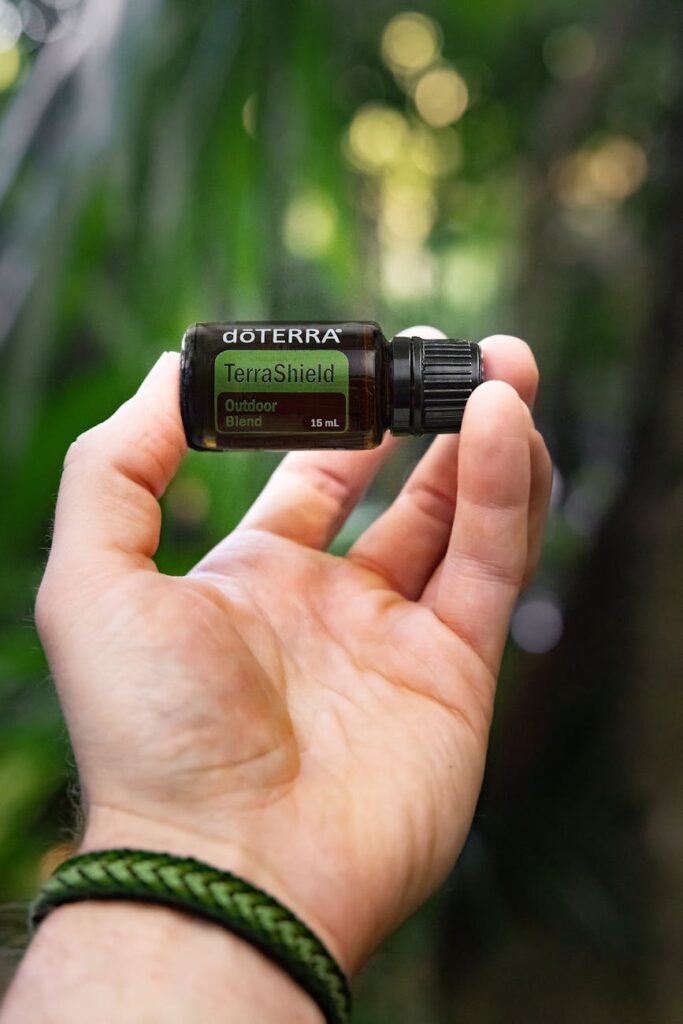
How to Use Aromatherapy Blends for Respiratory Health
Introduction
Aromatherapy, the practice of utilizing essential oils for therapeutic benefits, has gained considerable attention for its potential to enhance overall well-being. Among its myriad applications, one of the most significant is in the realm of respiratory health. Utilizing specific essential oil blends can promote relaxation, ease discomfort, and support respiratory function. This article explores the concept of aromatherapy blends specifically tailored for respiratory health, outlining their benefits, common uses, applications, and safety considerations.
What Is Aromatherapy Blends for Respiratory Health?
Aromatherapy blends for respiratory health consist of carefully selected essential oils that are known for their supportive properties in promoting clear airways and easing breathing. These blends can be used in various forms, including diffusion, topical application, and inhalation. The essential oils chosen for respiratory support can vary widely but typically include oils with decongestant, expectorant, or soothing properties.
Common essential oils used in these blends include eucalyptus, peppermint, tea tree, and lavender, among others. Each of these oils possesses unique chemical constituents that contribute to their effectiveness in supporting respiratory health.
Key Benefits and Properties
1. Decongestant Properties
Certain essential oils, such as eucalyptus and peppermint, contain compounds that can help relieve nasal congestion and open airways. These oils work by promoting mucus clearance and reducing inflammation in the respiratory tract.
2. Antimicrobial Action
Some essential oils, like tea tree and lavender, have natural antimicrobial properties, which may help in purifying the air and reducing the risk of infections in the respiratory system.
3. Soothing and Calming Effects
Aromatherapy blends can also promote relaxation and alleviate stress. Oils like lavender and chamomile are often included for their calming effects, which can be beneficial for individuals experiencing anxiety related to respiratory issues.
4. Expectorant Effects
Certain oils have expectorant properties, meaning they can help in loosening mucus and phlegm. This can be especially helpful during seasonal respiratory challenges.
Common Uses
Aromatherapy blends for respiratory health can be employed in various situations, including:
- Seasonal Allergies: Utilizing specific blends can provide relief during allergy seasons, helping to reduce symptoms like congestion and irritation.
- Colds and Flu: Inhaling particular blends may support the body’s natural defenses during viral infections.
- Asthma and Bronchitis: While not a substitute for prescribed medications, certain blends may help ease discomfort associated with these conditions.
- Everyday Respiratory Support: Incorporating aromatherapy into daily routines can promote overall respiratory wellness and improve air quality.
- Dark Glass Containers: Store essential oils in dark glass bottles to protect them from light degradation.
- Cool, Dry Place: Keep oils in a cool and dry environment, away from direct sunlight and heat sources.
- Shelf Life: Most essential oils have a shelf life of 1-3 years, although citrus oils may have a shorter shelf life due to their volatile nature.
Aromatherapy Applications
1. Diffusion
One of the most popular methods for using essential oils is through a diffuser. By adding a few drops of a respiratory blend to a cold-air or ultrasonic diffuser, users can fill a space with uplifting and therapeutic scents. Diffusing is particularly effective in improving air quality, especially in enclosed spaces.
2. Inhalation
Direct inhalation is another effective method. Place a few drops of the essential oil blend onto a cotton ball or tissue and inhale gently. This technique can provide immediate relief, particularly when dealing with acute symptoms.
3. Topical Application
When using essential oils topically, it is essential to dilute them with a carrier oil to avoid skin irritation. Common carrier oils include coconut oil, jojoba oil, or sweet almond oil. After dilution, apply the blend to pulse points, the chest, or the back of the neck to support respiratory health.
4. Steam Inhalation
For a more intense application, steam inhalation can be beneficial. Add several drops of the essential oil blend to a bowl of hot water, drape a towel over your head, and lean over the bowl, inhaling deeply. This method can help clear nasal passages and provide immediate relief.
5. Bath Soak
Incorporating essential oils into a warm bath can create a soothing experience. Add a few drops of a respiratory blend to bath salts or carrier oil before mixing it into the bathwater. The steam from the bath can enhance the inhalation of the oils.
Safety Considerations
While aromatherapy can be a valuable tool for enhancing respiratory health, it is essential to observe safety precautions:
1. Essential Oil Quality
Always use high-quality, pure essential oils from reputable sources. Look for oils that are labeled as 100% pure and free from synthetic additives.
2. Dilution
Essential oils are highly concentrated and should be diluted before topical use. A general guideline is to use a 2-5% dilution (2-5 drops of essential oil per teaspoon of carrier oil) for adults.
3. Allergies and Sensitivities
Individuals with allergies or sensitivities should perform a patch test before applying essential oils to the skin. If any irritation occurs, discontinue use immediately.
4. Pregnant or Nursing Women
Certain essential oils may not be safe for use during pregnancy or while nursing. It is advisable to consult a healthcare professional for guidance in these cases.
5. Children
When using essential oils around children, it is crucial to choose age-appropriate oils and to dilute them adequately. Some oils may not be suitable for young children.
Storage and Shelf Life
To ensure the longevity and efficacy of essential oils, proper storage is essential:
Frequently Asked Questions
1. Can aromatherapy blends replace traditional medicine?
Aromatherapy should complement traditional healthcare practices rather than serve as a substitute for medical treatment. Always consult a healthcare professional for serious respiratory conditions.
2. How do I choose the right blend for my needs?
Selecting the right blend depends on individual preferences and specific respiratory concerns. Start with well-known blends that address common issues, and experiment to find what resonates with you.
3. Can I use essential oils in a humidifier?
While some humidifiers can handle essential oils, it’s essential to check the manufacturer’s guidelines. Not all humidifiers are designed for essential oils, and using them may damage the device.
4. Are there any essential oils I should avoid for respiratory health?
Certain oils can be too strong or irritating for sensitive individuals. Oils like cinnamon and clove may cause discomfort for some. Always perform a patch test and listen to your body.
5. How often can I use aromatherapy blends for respiratory health?
You may use aromatherapy blends as needed, but moderation is key. Overuse can lead to sensitivity or diminished effectiveness. Listen to your body and adjust usage accordingly.
Conclusion
Aromatherapy blends for respiratory health offer a natural and holistic approach to enhancing overall well-being. With a wide array of essential oils available, individuals can tailor their aromatherapy experience to suit their specific needs. By understanding the benefits, applications, and safety considerations, users can effectively incorporate these blends into their daily routines for improved respiratory support. Always remember to prioritize safety and quality when using essential oils, ensuring a positive and enriching experience with aromatherapy.