
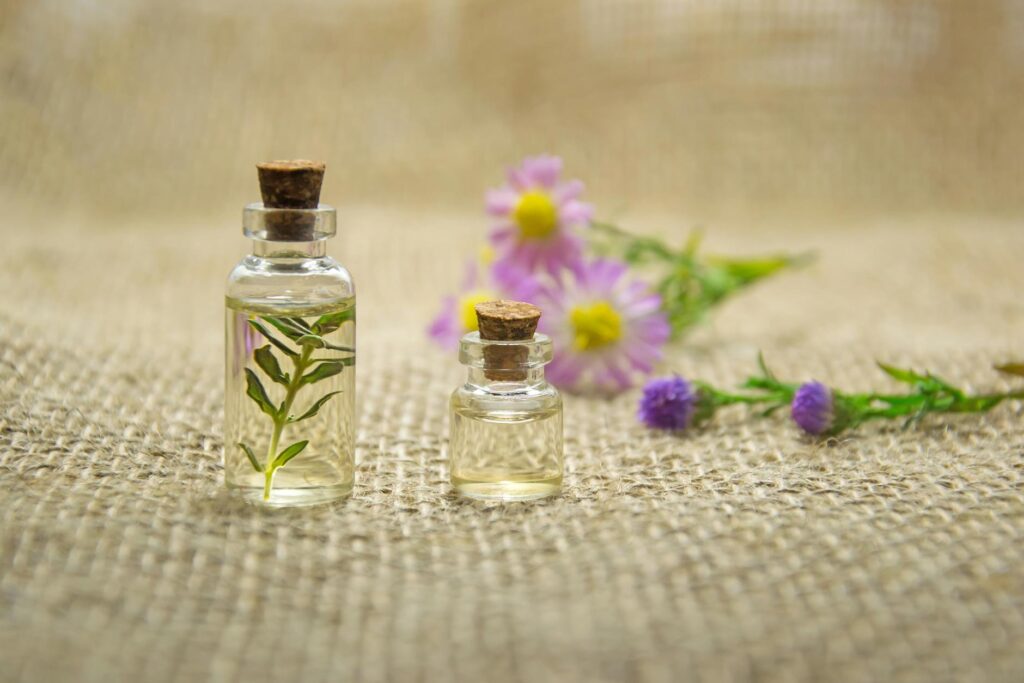
How to Use Aromatherapy Blends for Respiratory Support
Introduction
Aromatherapy is a holistic practice that utilizes the natural properties of essential oils to enhance physical and emotional well-being. Among the various applications of aromatherapy, respiratory support is a significant area of interest. The use of essential oils in this context aims to promote easier breathing and to support overall respiratory function. This article delves into the concept of aromatherapy blends specifically designed for respiratory support, outlining their benefits, common applications, and safety considerations.
What Is Aromatherapy Blends for Respiratory Support?
Aromatherapy blends for respiratory support consist of combinations of essential oils selected for their beneficial properties related to the respiratory system. These blends are crafted to address various respiratory concerns such as congestion, sinusitis, and seasonal allergies. The essential oils used in these blends may have properties that are expectorant, decongestant, or anti-inflammatory, making them ideal for promoting clearer airways and supporting lung function.
Key Benefits and Properties
The essential oils commonly included in respiratory support blends offer a variety of benefits:
1. Expectorant Properties
Essential oils such as eucalyptus and peppermint are known for their ability to help expel mucus from the respiratory tract, making it easier to breathe.
2. Decongestant Effects
Oils like tea tree and rosemary can help reduce nasal congestion, allowing for easier airflow and improved overall respiratory function.
3. Anti-Inflammatory Benefits
Certain oils, including lavender and chamomile, possess anti-inflammatory properties that may soothe the respiratory passages and reduce irritation.
4. Antimicrobial Effects
Many essential oils, such as thyme and oregano, exhibit antimicrobial properties, which can be beneficial in combating airborne pathogens that may affect respiratory health.
5. Mood Enhancement
Aromatherapy is not solely about physical benefits; the inhalation of certain scents can also improve mood and create a sense of calm, which can be particularly beneficial during times of respiratory discomfort.
Common Uses
Aromatherapy blends for respiratory support can be used in various ways:
1. Inhalation
Direct inhalation of essential oils can provide immediate relief. This method involves placing a few drops of an essential oil blend on a tissue or in a diffuser.
2. Steam Inhalation
Adding essential oils to hot water and inhaling the steam can help to open up airways and provide relief from congestion. This method is particularly effective during cold or allergy seasons.
3. Topical Application
When diluted with a carrier oil, respiratory support blends can be applied to the chest, back, or the soles of the feet. This method allows the oils to be absorbed through the skin, providing localized relief.
4. Baths
Adding essential oils to a warm bath can create a soothing environment that promotes relaxation while also supporting respiratory function through inhalation of the steam.
Aromatherapy Applications
1. Diffusion
Using an essential oil diffuser is one of the most popular methods for dispersing the aroma of respiratory blends throughout a room. This method is ideal for creating a calming atmosphere while also providing respiratory support.
2. Roller Blends
Creating roller blends with essential oils and a carrier oil allows for easy portability and application. These can be applied to pulse points or areas of discomfort.
3. Inhaler Sticks
Inhaler sticks filled with essential oils can be a convenient way to carry respiratory support blends. Simply inhaling from the stick can provide immediate relief.
4. Sprays
Creating a room spray with essential oils can help purify the air and provide respiratory support in living spaces, especially during allergy season.
5. Compresses
Soaking a cloth in a blend of essential oils and water, then applying it as a compress on the chest or face, can offer targeted relief for respiratory discomfort.
Safety Considerations
While essential oils are natural, they must be used with care. Here are some safety guidelines:
1. Dilution
Essential oils are highly concentrated and should always be diluted with a carrier oil before applying to the skin. A common dilution is 2-3% for topical applications.
2. Patch Test
Before using a new essential oil blend, perform a patch test on a small area of skin to check for any adverse reactions.
3. Avoid Sensitive Areas
Do not apply essential oils near the eyes or on broken skin. If irritation occurs, discontinue use immediately.
4. Consultation
Individuals with pre-existing conditions, pregnant or nursing women, and young children should consult a healthcare professional before using essential oils.
5. Quality
Use high-quality essential oils from reputable suppliers. Low-quality oils may contain synthetic additives or impurities that can be harmful.
Storage and Shelf Life
Proper storage of essential oils is crucial to maintain their efficacy. Here are some tips for storage:
1. Cool, Dark Place
Store essential oils in a cool, dark place, away from direct sunlight and heat sources. This helps to preserve their potency.
2. Tight Seals
Ensure that bottles are tightly sealed to prevent oxidation and evaporation.
3. Glass Containers
Use dark glass containers for storage as they help protect oils from light. Avoid plastic containers, which may interact with the oils.
4. Shelf Life
Most essential oils have a shelf life of 1-3 years, although some may last longer. It’s advisable to check the specific oil’s shelf life and replace any oils that have become oxidized or have a rancid smell.
Frequently Asked Questions
1. Can I use essential oils for respiratory support if I have asthma?
While some individuals with asthma find relief using certain essential oils, it is crucial to consult with a healthcare professional before attempting to use them, as some oils may trigger an asthma attack.
2. How often can I use respiratory support blends?
The frequency of use depends on the method of application and individual tolerance. For inhalation, it can be used as needed. For topical applications, it’s generally recommended to use blends 2-3 times daily.
3. Are there specific oils to avoid for respiratory issues?
Certain oils, such as camphor and peppermint, may be too intense for some individuals, particularly children or those with respiratory sensitivities. Always conduct thorough research or consult with a professional.
4. Can I make my own respiratory blend?
Yes, many individuals create their own blends by combining oils known for respiratory support. Always ensure proper dilution and perform patch tests when experimenting.
5. Can I use essential oils in a humidifier?
This depends on the type of humidifier. Some may not be designed for essential oils, which could potentially damage the unit. Always check the manufacturer’s guidelines.
Conclusion
Aromatherapy blends for respiratory support offer a natural approach to enhance breathing and overall respiratory wellness. Understanding the properties, benefits, and applications of these essential oils is essential for safe and effective use. As with any holistic practice, individual experiences may vary, so it is advisable to approach aromatherapy with mindfulness and care. By integrating these natural solutions into your wellness routine, you may find added support for your respiratory health.